


Fires, in their raw and unbridled power, have been both a terrifying force of destruction and, paradoxically, an accidental catalyst for profound change throughout human history. From ancient cities consumed by flames to modern metropolises ravaged by infernos, the impact of destructive fires extends far beyond the immediate physical devastation. These catastrophic events have often reshaped urban landscapes, led to advancements in architecture and urban planning, influenced economic policies, and even altered the course of social development, leaving indelible marks on the collective memory of societies. The sheer scale of their obliteration forces communities to confront vulnerability and rebuild, often better and stronger than before.
Read Also: Seismic Sense: Understanding, Preparing for, and Mitigating Earthquake Risks Across the US
The immediate aftermath of a major fire is invariably characterized by immense loss: lives tragically ended, homes and businesses reduced to rubble, and cultural heritage irrevocably lost. Yet, from these ashes, new narratives often emerge. Societies are compelled to learn from their mistakes, to re-evaluate their infrastructure, and to innovate in ways that might never have occurred under less dire circumstances. The collective trauma of such events can foster an extraordinary spirit of resilience and community, galvanizing efforts towards reconstruction and reform that lay the groundwork for future progress.
This exploration will delve into some of history’s most devastating fires, examining not just the extent of their destruction but also the multifaceted and often unexpected legacies they left behind. From the ancient world to more recent centuries, these infernos have shaped how we build, how we live, and how we remember, proving that even from the deepest devastation, new forms of legacy can emerge, reminding humanity of both its fragility and its remarkable capacity for renewal.
How Did Ancient Fires Reshape Early Civilizations?
Fires were an ever-present threat to ancient civilizations, whose cities were often built with highly flammable materials like wood, straw, and mudbrick, lacking modern fire suppression techniques. The Great Fire of Rome in 64 AD, during the reign of Emperor Nero, stands as one of the most infamous examples. While its origins remain debated, the fire raged for six days, consuming much of the city and leaving countless homeless. This immense destruction led to significant rebuilding efforts, with Nero introducing new fire codes that mandated wider streets, less flammable building materials like concrete, and limits on building heights. This tragedy inadvertently spurred urban planning reforms that influenced Roman architecture for centuries.

Beyond Rome, many other ancient cities faced similar fiery fates, often leading to cycles of destruction and reconstruction. Cities like Troy, repeatedly burned and rebuilt, illustrate how fire was a constant factor in their development and even their mythical narratives. These conflagrations, whether accidental, ritualistic, or acts of war, forced early communities to develop rudimentary fire-fighting techniques, organize watch systems, and consider more resilient building practices. The lessons learned from one blaze often directly influenced the layout and materials of the next iteration of the city, showing a gradual evolution in urban resilience.
The impact of these ancient infernos wasn’t limited to physical rebuilding; they also influenced social structures and power dynamics. The aftermath of a major fire could lead to widespread poverty, displacement, and social unrest, but it could also consolidate power as rulers took charge of massive reconstruction projects, often using them to reshape cities according to their own visions. The experience of shared devastation and subsequent collaborative rebuilding efforts could also forge stronger community bonds, highlighting humanity’s innate capacity for resilience in the face of overwhelming adversity.
What Lessons Did Medieval and Early Modern Fires Teach Urban Planners?
Medieval and early modern cities, characterized by their dense wooden structures, narrow winding streets, and open hearths, were perpetual tinderboxes, making destructive fires an almost routine occurrence. The Great Fire of London in 1666 serves as a quintessential example, incinerating a significant portion of the walled city, including St Paul’s Cathedral and thousands of homes. The scale of this disaster forced a complete rethinking of urban design and building regulations. In its wake, stringent new fire codes were enacted, mandating brick and stone construction, wider streets to act as fire breaks, and improved access for fire-fighting efforts, fundamentally reshaping London’s architecture.
Similar destructive fires plagued other major European cities during this period. The Great Fire of Hamburg in 1842, for instance, devastated a quarter of the city, leading to extensive urban planning reforms that prioritized fire safety and public health. These events highlighted the critical need for organized municipal fire brigades, access to water, and standardized building materials. The rebuilding efforts often presented opportunities for urban renewal, leading to more hygienic conditions, better infrastructure, and a more rational city layout, moving away from the organic, chaotic growth of earlier centuries.
The recurring devastation caused by these urban conflagrations fostered a growing understanding of fire as a systemic problem rather than isolated incidents. This realization spurred the development of early fire insurance companies, providing a financial safety net for rebuilding and reducing individual ruin. Furthermore, architects and engineers began to incorporate fire-resistant design principles more actively into their plans, leading to the gradual phasing out of highly combustible materials in urban centers. These cumulative lessons laid the groundwork for modern fire safety standards and urban resilience strategies that continue to evolve today.
How Did Modern Era Fires Influence Industry and Public Safety?
The modern era, despite technological advancements, has seen its own share of devastating fires, often intertwined with rapid industrialization and concentrated populations. The Great Chicago Fire of 1871, though its exact cause remains debated, decimated much of the rapidly growing city, leaving tens of thousands homeless. Its aftermath, however, spurred unprecedented rebuilding efforts, attracting massive investment and accelerating Chicago’s rise as a modern architectural and industrial powerhouse. The disaster led to more rigorous building codes and improved municipal fire departments, profoundly influencing urban development in the United States.
Fires in industrial settings also had far-reaching consequences, particularly for labor laws and public safety. The Triangle Shirtwaist Factory fire in New York City in 1911, which claimed the lives of 146 garment workers due to locked doors and inadequate fire escapes, became a pivotal moment for labor reform. This tragedy galvanized public outcry and led directly to improved factory safety standards, including mandatory fire drills, sprinkler systems, and accessible exits. It brought to the forefront the responsibilities of employers for worker safety, influencing industrial regulations for decades to come across the nation.
Beyond specific incidents, the cumulative impact of destructive fires in the modern era has driven continuous innovation in fire science, materials engineering, and emergency response. Research into flame-retardant materials, sophisticated sprinkler systems, advanced smoke detection, and specialized fire-fighting equipment has been directly accelerated by lessons learned from past disasters. Public awareness campaigns around fire prevention have also become more widespread. These ongoing efforts underscore a societal commitment to mitigating risk and protecting lives and property, transforming the legacy of destruction into a relentless pursuit of safety and resilience.
What Is the Environmental and Social Legacy of Major Wildfires?
In recent decades, large-scale wildfires have emerged as a dominant and increasingly destructive force, especially in regions prone to drought and high winds, exacerbated by climate change. The immediate environmental legacy is clear: vast tracts of forests and natural habitats are incinerated, leading to significant biodiversity loss, soil erosion, and substantial emissions of greenhouse gases that contribute to air pollution and climate change. These mega-fires can drastically alter ecosystems, sometimes permanently changing the composition of flora and fauna in affected areas, transforming lush landscapes into scorched earth.
The social legacy of these destructive wildfires is equally profound, often leading to mass evacuations, displacement, and long-term psychological trauma for affected communities. Entire towns can be wiped off the map, leaving residents to grapple with the loss of homes, livelihoods, and a sense of place. The rebuilding process is often slow, expensive, and emotionally taxing, placing immense strain on local resources and mental health services. These events highlight the vulnerability of human settlements encroaching on wildland urban interfaces, forcing difficult conversations about sustainable development and land management.
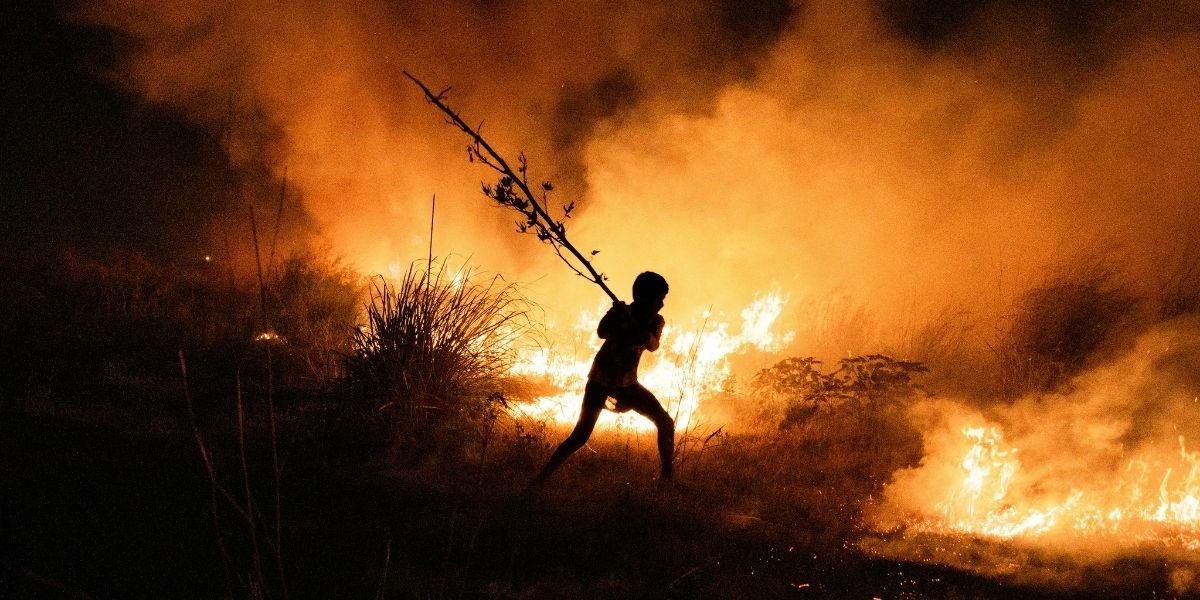
Major wildfires often leave a complex political and economic legacy. They expose deficiencies in infrastructure, emergency preparedness, and climate adaptation strategies, leading to increased public pressure for government action. The economic costs, encompassing property damage, lost tourism, and ongoing recovery efforts, can be astronomical, impacting regional and national economies for years. This growing threat is compelling governments and communities to invest more heavily in fire prevention, landscape management, and early warning systems, shaping policy and fostering a deeper understanding of human interaction with increasingly volatile natural environments.
How Do Societies Rebuild and Innovate from the Ashes of Destruction?
The process of rebuilding after a destructive fire is often a powerful testament to human resilience and ingenuity. Beyond simply replacing what was lost, communities frequently seize the opportunity to rebuild smarter, safer, and more sustainably. This often involves adopting stricter building codes, incorporating fire-resistant materials, and implementing modern urban planning principles that prioritize open spaces, wider streets, and efficient infrastructure for emergency services. The “reset” button provided by a major fire can lead to innovations in architecture and city design that might have taken decades to implement otherwise.
Economically, the recovery from a major fire can stimulate significant investment and job creation in the construction and related industries. While the initial economic blow is severe, the demand for materials, labor, and services during reconstruction can inject new life into local economies. However, it also presents challenges in terms of equitable rebuilding, ensuring that vulnerable populations are not left behind and that new development serves the needs of the entire community, leading to discussions about social equity and inclusive urban recovery.
Read Also: The Spectacular “Ring of Fire” Solar Eclipse: An Astronomical Marvel
On a deeper, societal level, destructive fires often leave a legacy of heightened awareness and collective memory. Commemorative efforts, historical preservation, and educational initiatives ensure that the lessons learned from past tragedies are not forgotten. This remembrance often fuels ongoing research into fire science, improved emergency response protocols, and community-level preparedness programs. From ash, therefore, emerges a powerful catalyst for continuous improvement, innovation, and a renewed commitment to creating safer, more resilient communities in the face of nature’s formidable power, turning destruction into a foundation for lasting progress.