
Fed, ECB, Bank of Japan, Bank of Canada and RBNZ Set Interest Rates in a Single Week
Five of the world’s major central banks announce interest rate decisions between Wednesday, October 28, and Friday, October 30, 2026. The U.S. Federal Reserve, the
Five of the world’s major central banks announce interest rate decisions between Wednesday, October 28, and Friday, October 30, 2026. The U.S. Federal Reserve, the








Five of the world’s major central banks announce interest rate decisions between Wednesday, October 28, and Friday, October 30, 2026. The U.S. Federal Reserve, the
Five of the world’s major central banks announce interest rate decisions between Wednesday, October 28, and Friday, October 30, 2026. The U.S. Federal Reserve, the







A three-minute pause at the 22nd minute of each half is now standard at every match of the 2026 FIFA World Cup, the first time

China’s Ministry of Industry and Information Technology published a five-year development plan for the information and communications sector that sets a national target of 9,800

Currency transitions have occurred in dozens of countries over the past century, ranging from the coordinated replacement of 12 national currencies with the euro across

All 20 members of the Group of 20 unanimously endorsed a U.S.-proposed framework for governing artificial intelligence and emerging technologies on September 2, 2026, at
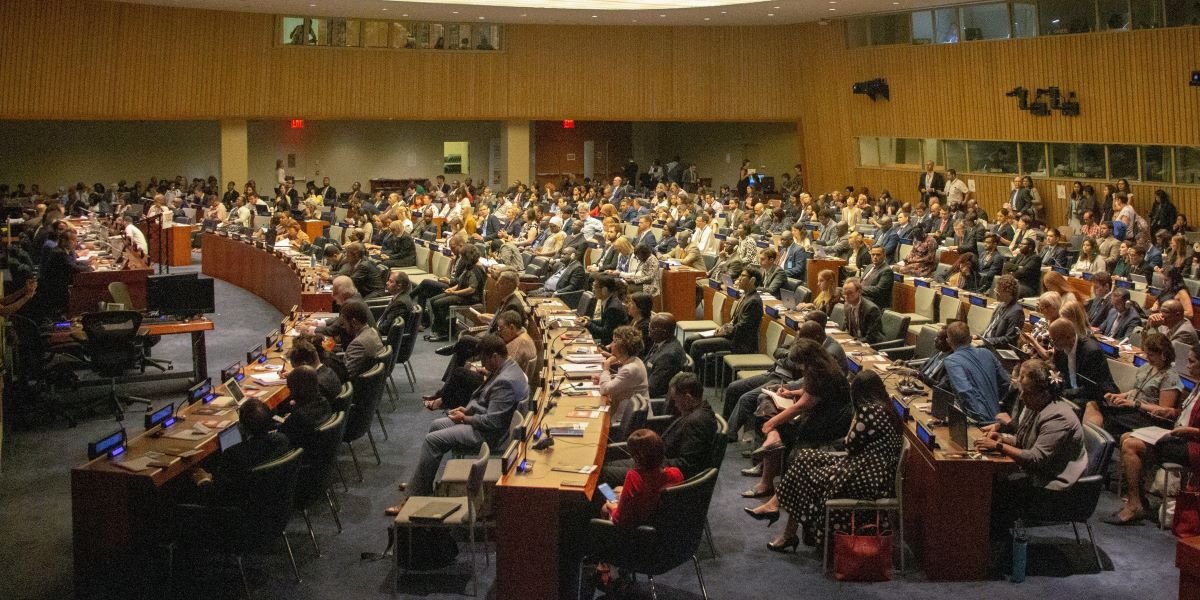
The 81st session of the United Nations General Assembly opens at UN Headquarters in New York on September 8, with heads of state and government

Morocco, the world’s largest sardine supplier, saw its fish landings fall nearly 46 percent between 2022 and 2024, dropping from approximately 965,000 metric tons to

Apple confirmed on August 26, 2026, that it will hold its annual iPhone event on September 9 at Apple Park in Cupertino, California, where the

Chinese artificial intelligence companies including Moonshot AI, ByteDance, Alibaba, and Tencent have been accessing restricted Nvidia GPU computing power through data centers in Thailand, Malaysia,

The Nevada Transportation Authority unanimously approved permits on August 20 allowing Tesla, Uber, and Waymo to operate commercial robotaxi services in Clark County, home to

Samsung Electronics has raised prices for advanced contract chipmaking services by up to 15% on new orders, according to a Reuters report published August 19

Global markets entered Monday caught between three competing signals: fading expectations for a Federal Reserve rate hike in September, an oil market still carrying a









The World Health Organization’s International Lead Poisoning Prevention Week runs October 18 to 24, 2026, under the theme “From Detection to Prevention.” WHO is urging countries to remove lead from products and environments at the source, as lead exposure is estimated to contribute to more than 3.5 million deaths worldwide each year. Key Takeaways The 14th International Lead Poisoning Prevention Week takes place October 18 to 24, 2026. WHO estimates lead exposure contributes to more than 3.5 million deaths globally each year and affects hundreds of millions of children. Fewer than half of countries had confirmed legally binding controls on lead paint in WHO’s latest published global assessment. WHO member states have mandated a Global Action Plan on Lead Mitigation, to be presented to the World Health Assembly in 2027. WHO will launch the PREVENT Technical Package on Lead Poisoning Prevention in 2027 to guide countries on priority exposure sources and interventions. WHO-backed laboratory capacity work for blood lead testing covers Brazil, five Indian states, Nepal, and six countries in sub-Saharan Africa. From Detection to Prevention Shifts the Focus Upstream The World Health Organization chose “From Detection to Prevention” as the 2026 theme for a specific reason. Lead poisoning is

The 2026 Nobel Prize in Physiology or Medicine went to Karl Deisseroth, Peter Hegemann and Georg Nagel for discovering light-gated ion channels and developing optogenetics, a method that switches individual nerve cells on or off with light. The Nobel Assembly at Karolinska Institutet announced the award on October 5. The three will share 12 million Swedish kronor, about $1.2 million. Key Takeaways American Karl Deisseroth, 54, and Germans Peter Hegemann, 71, and Georg Nagel, 73, share the prize equally. Hegemann and Nagel discovered channelrhodopsin, a light-sensitive protein in the single-celled alga Chlamydomonas, in the early 2000s. In 2005, Deisseroth’s Stanford lab put the channelrhodopsin gene into rat neurons and showed that blue light could make them fire on command. Labs around the world now use optogenetics to map the brain circuits behind memory, emotion and behavior. Clinical trials are testing optogenetics to restore some vision in people blinded by retinitis pigmentosa. The physics, chemistry, literature and peace prizes are announced later this week, and economics follows on Monday, October 12. A Discovery That Started With Algae Swimming Toward Light The prize-winning work began with basic biology, not a plan to treat disease. Peter Hegemann wanted to know how Chlamydomonas, a

Chewing tobacco contributed to an estimated 251,000 deaths worldwide in 2023, according to a Global Burden of Disease study from the Institute for Health Metrics and Evaluation published September 30, 2026, in The Lancet Global Health. South Asia accounted for about 210,000 of those deaths, and global use has not meaningfully declined since 1990. Key Takeaways An estimated 241 million people aged 15 and older used chewing tobacco in 2023, a global prevalence of 3.9%. No country recorded a significant decrease in the number of chewing tobacco users between 1990 and 2023, while 24 countries saw significant increases. More than 90% of male chewing tobacco-related health loss occurred in 10 countries: India, Bangladesh, China, Pakistan, Myanmar, the United States, Nepal, Sri Lanka, the Philippines, and Madagascar. Health loss attributed to chewing tobacco rose 116% between 1990 and 2023, reaching 6.48 million disability-adjusted life-years. Chewing tobacco accounted for 17.3% of lip and oral cavity cancer health loss worldwide and 30.5% in South Asia. Palau recorded the highest age-standardized prevalence at 24.4%, followed by Bangladesh at 23.4% and Nepal at 17.5%. IHME Study Separates Chewing Tobacco From Broader Smokeless Categories The Institute for Health Metrics and Evaluation (IHME) study, part of the

A research team at the University of California San Diego has used machine learning to decode the DNA signature of the initiator, a molecular switch that marks the precise point where gene reading begins in approximately 60% of focused human gene promoters. The study, published July 31, 2026, in the journal Genes & Development, gives scientists a quantitative tool to predict — for the first time — whether specific DNA mutations at the initiator site will disrupt gene activation, a capability with direct implications for cancer research, genetic diagnostics, and the broader effort to map the complete human gene expression code. Key Takeaways Researchers in Professor James T. Kadonaga’s laboratory at UC San Diego used high-throughput DNA sequencing to measure gene expression activity across approximately 500,000 different versions of the initiator region, then trained a machine learning model to identify the initiator’s characteristic DNA pattern. The AI model identified the initiator sequence in roughly 60% of focused human gene promoters, providing the first reliable method for predicting its presence or absence across the genome. The study also uncovered a previously unknown TATA-specific initiator variant, detected the overlapping but functionally distinct TCT motif, and mapped the relationships between multiple core promoter
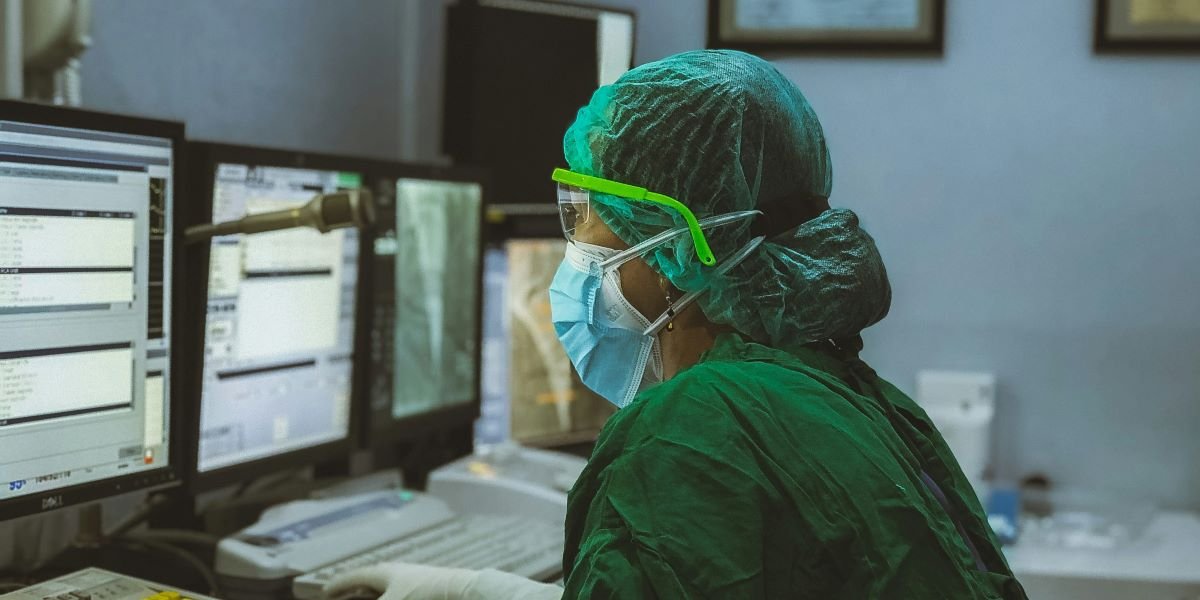
The Ebola outbreak in the Democratic Republic of Congo has killed at least 2,011 people out of 4,381 confirmed cases across five provinces, Congolese health officials reported on August 11, making it the fastest-growing and now the second-deadliest Ebola epidemic in history. Approximately 1,000 of those deaths occurred in the last three weeks alone, a rate of acceleration that the World Health Organization has described as unprecedented for an Ebola event. The pathogen driving the outbreak is the Bundibugyo ebolavirus, a less-studied species for which no approved vaccine or targeted treatment exists, complicating a response that is already hampered by armed conflict, population displacement, and gaps in surveillance across eastern Congo’s most unstable provinces. Key Takeaways As of August 11, the DRC has recorded 4,381 confirmed Ebola cases and 2,011 deaths, with a case fatality rate of 45.9%; the outbreak has spread across 53 health zones in five provinces. During the most recent complete reporting week, 567 new cases and 296 deaths were recorded, the highest weekly figures since the outbreak began. The outbreak was officially declared on May 15, 2026, in Ituri Province, but the WHO has said infections likely began in January or February in the town of

Brazil awarded its first-ever public land concession for Amazon reforestation in March 2026, granting startup Re.green the rights to restore and protect 59,000 hectares of degraded land in the Bom Futuro National Forest over a 40-year contract. The concession — backed by carbon credit financing, Indigenous community participation, and a government framework designed to scale to 300,000 hectares by 2027 — represents a structural shift in how Brazil approaches forest recovery, moving from enforcement-only anti-deforestation policy toward active restoration financed by international capital and private sector investment. What Does Brazil’s Reforestation Concession Model Look Like? The Bom Futuro concession operates on a premise that had not been tested at scale in the Amazon before 2026: that degraded public forest land can be leased to private companies for restoration, with carbon credits generated by replanted trees sold on international markets to cover costs and produce returns. Re.green emerged as the sole bidder in the government-led auction for the first plot, securing the right to plant more than 80 native tree species across 59,000 hectares while paying the Brazilian government a commission of 0.7 percent of revenues — estimated at approximately $2 million annually. The Karitiana Indigenous community, which lives within the
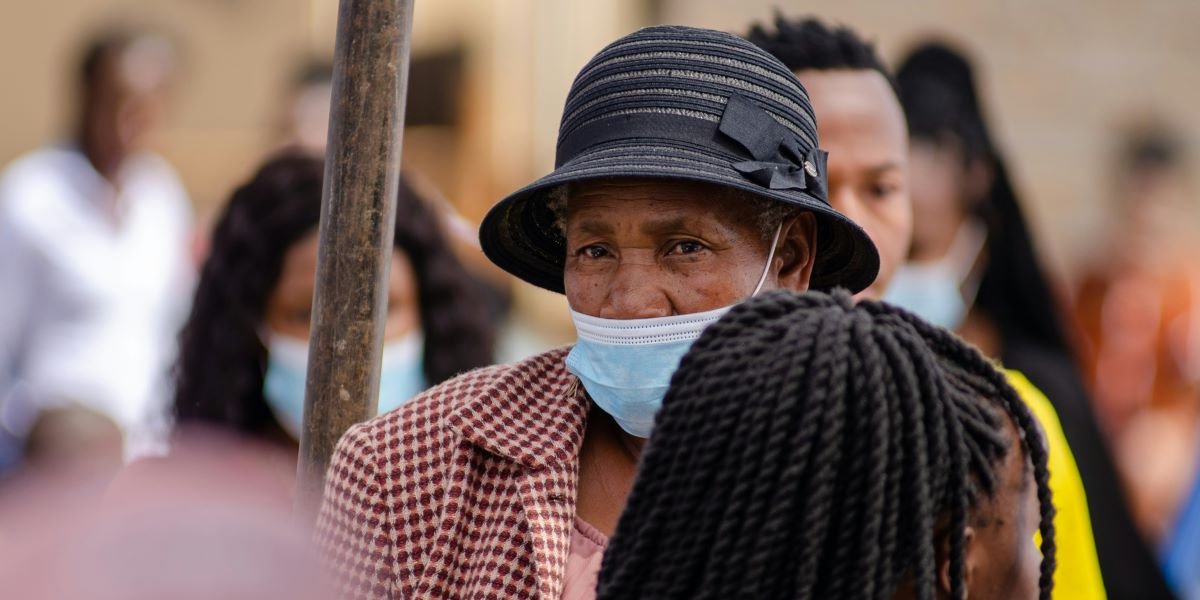
The World Health Organization declared on July 14 that 80% of new Ebola cases in eastern Congo are emerging from unknown chains of transmission, a sign that the outbreak is spreading faster than health workers can contain it. With nearly 2,000 confirmed infections and more than 700 deaths in two months, the Bundibugyo virus outbreak is now the third-largest Ebola epidemic on record and the fastest-growing ever documented on the African continent. An Outbreak That Has Outrun Its Response WHO Executive Director of Health Emergencies Chikwe Ihekweazu delivered the assessment from Geneva after returning from Bunia, the capital of Ituri Province in eastern Congo and the geographic center of the outbreak. Ihekweazu told reporters that single-day case counts have exceeded 80 confirmed infections, a rate of daily growth unprecedented across any of the 17 Ebola outbreaks Congo has experienced. As of July 13, the Congolese Ministry of Health reported 1,963 confirmed cases and 719 deaths across five provinces. The 80% figure — the share of new cases that cannot be traced to any known contact — represents the outbreak’s most dangerous characteristic. In a functioning Ebola containment operation, health workers trace the contacts of every confirmed patient, monitor those individuals

England has become the first European country to approve teplizumab, an immunotherapy that delays the onset of type 1 diabetes, through a formal health technology appraisal. The National Institute for Health and Care Excellence recommended the drug for NHS use in final draft guidance issued June 23, 2026, offering people in the early stage of the condition an average of nearly three years before they develop symptoms and need insulin. Key Takeaways The National Institute for Health and Care Excellence recommended teplizumab for NHS use in final draft guidance on June 23, 2026. England is the first European country to back the immunotherapy through a health technology appraisal. Teplizumab delays the onset of symptomatic type 1 diabetes by an average of nearly three years. The treatment is for children aged eight and older and adults in the pre-symptomatic stage 2 of the disease. Around 1,100 people could be eligible in the first year across England and Wales. What Teplizumab Does Teplizumab, sold as Tzield and made by Sanofi, is the first immunotherapy that targets the underlying cause of type 1 diabetes rather than managing its consequences. Type 1 diabetes develops when the immune system attacks the insulin-producing beta cells in