
Saudi Arabia’s Minister of Communications and Information Technology Abdullah Alswaha announced at the opening of LEAP East 2026 in Hong Kong on July 8 that the Kingdom is positioning itself as a global AI hub connecting Eastern and Western technology ecosystems. The inaugural event drew more than 25,000 attendees, 340 speakers, 450 exhibitors, and 600 investors representing over $6.5 trillion in total assets under management.
Key Takeaways
- Saudi Arabia’s Minister of Communications announced at LEAP East 2026 on July 8 that the Kingdom is building one of the world’s most accessible AI-ready digital infrastructures to connect East and West.
- The Kingdom’s digital economy has grown 75 percent in the past eight years to reach $139 billion, with the non-oil digital economy now contributing 16 percent to GDP.
- Saudi Arabia plans to develop 6.9 gigawatts of data center capacity by 2034, including 3 gigawatts by 2030, supported by 12.8 gigawatts of available electricity generation capacity.
- The East represents an $34 trillion economy accounting for 30 percent of global GDP and produces 82 percent of the world’s AI patents and 90 percent of advanced chip manufacturing.
- LEAP East 2026 drew more than 25,000 attendees, 600 investors representing over $6.5 trillion in assets under management, and commitments from ByteDance, Lenovo, and Tencent to expand in Saudi Arabia.
Alswaha stated that under Saudi leadership, the Kingdom is advancing toward building one of the world’s most accessible and AI-ready digital infrastructures, reinforcing its position as a trusted partner in enabling the digital economy and connecting East and West. The announcement signals Saudi Arabia’s ambition to capture a larger share of the global AI value chain by investing in physical infrastructure rather than focusing solely on software adoption, World Reporter analysis suggests.
What Scale Does the Eastern AI Ecosystem Represent?
The East today represents a $34 trillion economy accounting for nearly 30 percent of global GDP, with a $10 trillion digital economy and 3.7 billion people, or roughly 46 percent of the world’s population, according to Asharq Al-Awsat. Alswaha emphasized that 82 percent of the world’s AI patents originate from the East, while the region accounts for 60 percent of the global semiconductor market and 90 percent of advanced chip manufacturing.
These figures underscore the region’s dominance in both intellectual property and hardware production. Saudi Arabia’s strategy appears designed to leverage geographic proximity and investment capacity to tap into this concentration of innovation and manufacturing capability.
How Has Saudi Arabia’s Digital Economy Grown?
Saudi Arabia’s digital economy has grown 75 percent in the past eight years to reach $139 billion, with the non-oil digital economy now contributing 16 percent to GDP, MIT Sloan Middle East reported. The Kingdom’s operational data center capacity has reached 467 megawatts, representing 47 percent of total data center capacity across the Middle East and North Africa.
Women’s participation in the Kingdom’s information and communications technology workforce has increased from 7 percent to 35 percent over the same period, surpassing averages in the European Union and Silicon Valley, Alswaha said. These workforce and infrastructure gains reflect broader economic diversification efforts under Vision 2030.
What Data Center Capacity Is Saudi Arabia Planning?
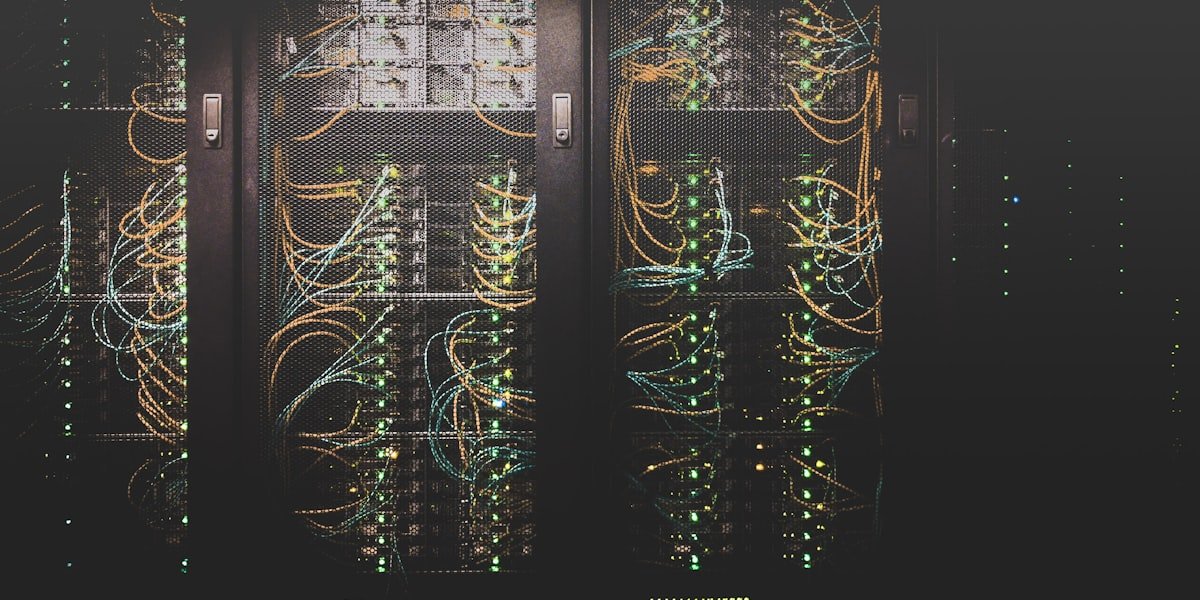
Saudi Arabia plans to develop 6.9 gigawatts of data center capacity by 2034, including 3 gigawatts by 2030, supported by 12.8 gigawatts of available electricity generation capacity. This positions the Kingdom among the fastest countries globally in providing power for computing and AI infrastructure projects, Alswaha noted.
Data center expansion has become a key front in the global AI competition, where access to energy, semiconductors, and computing capacity often matters as much as the algorithms themselves. Saudi Arabia’s emphasis on power infrastructure aims to attract hyperscale cloud providers and AI companies seeking regional hubs with reliable energy supply.
Which Companies Are Investing in Saudi Arabia?
Leading global technology companies from the East have already begun investing and expanding in the Kingdom, including ByteDance, Lenovo, and Tencent, Alswaha said. He framed Saudi Arabia’s appeal around three essential pillars for success in the AI era: compute, customers, and capital.

The Kingdom’s model relies on attracting foreign firms to build regional operations rather than developing homegrown AI champions. This mirrors strategies employed by other Gulf states, which have used sovereign wealth investment and infrastructure incentives to position themselves as regional technology gateways.
What Role Does LEAP Play in Saudi Arabia’s Strategy?
LEAP was launched in Riyadh five years ago and has evolved into a global technology movement, Alswaha said. The event’s expansion to Hong Kong reflects the growing importance of Asia as a global hub for shaping the future of technology and artificial intelligence.
The inaugural LEAP East was officially opened by Alswaha alongside Hong Kong Financial Secretary Paul Chan, Prof. Sun Dong, Secretary for Innovation, Technology and Industry, and Faisal Bin Saud Al Khamisi, Co-Chairman of Tahaluf’s board. Chan highlighted enormous potential for Hong Kong and Saudi Arabia to connect ideas, capital, and opportunities across regions and cultures.
FAQs
Why Is Saudi Arabia Focusing on AI Infrastructure Rather Than Developing Its Own AI Models?
Saudi Arabia’s strategy emphasizes building the physical foundation for AI, including data centers, power capacity, and connectivity, rather than competing directly with firms like OpenAI or Google in model development. This approach aims to attract multinational technology companies seeking regional hubs with reliable energy and infrastructure. The Kingdom positions itself as a bridge between Eastern manufacturing and intellectual property and Western markets.
How Does Saudi Arabia’s Data Center Capacity Compare to Other Regions?
Saudi Arabia currently operates 467 megawatts of data center capacity, representing 47 percent of the total operational capacity across the Middle East and North Africa. By 2034, the Kingdom plans to reach 6.9 gigawatts, with 3 gigawatts targeted by 2030. This expansion is supported by 12.8 gigawatts of available electricity generation capacity, positioning Saudi Arabia among the fastest-growing markets for computing infrastructure globally.
What Role Does the Eastern Region Play in Global AI Development?
The East accounts for 82 percent of the world’s AI patents, 60 percent of the global semiconductor market, and 90 percent of advanced chip manufacturing. The region’s $34 trillion economy includes a $10 trillion digital economy and 3.7 billion people, roughly 46 percent of the global population. This concentration of innovation, manufacturing, and market scale makes the East central to the global AI supply chain.
Which Technology Companies Have Committed to Investing in Saudi Arabia?
ByteDance, Lenovo, and Tencent have begun expanding their investments in Saudi Arabia, according to Minister Abdullah Alswaha. These commitments reflect the Kingdom’s appeal around three pillars: compute infrastructure, customer access, and available capital. The specifics of investment amounts and timelines were not disclosed at LEAP East.
How Has Women’s Participation in Saudi Arabia’s Tech Workforce Changed?
Women’s participation in Saudi Arabia’s information and communications technology workforce has increased from 7 percent to 35 percent over the past eight years. This rate now exceeds averages in the European Union and Silicon Valley, and Saudi women rank among global leaders in AI participation and empowerment, according to Alswaha. The increase reflects broader workforce reforms under Vision 2030.
What Was the Attendance and Scale of LEAP East 2026?
LEAP East 2026 drew more than 25,000 attendees, 340 speakers, 450 exhibitors, 300 startups, and 600 investors representing over $6.5 trillion in total assets under management. The event was officially opened by Saudi Arabia’s Minister of Communications alongside Hong Kong Financial Secretary Paul Chan, Secretary for Innovation Prof. Sun Dong, and Tahaluf board Co-Chairman Faisal Bin Saud Al Khamisi.