

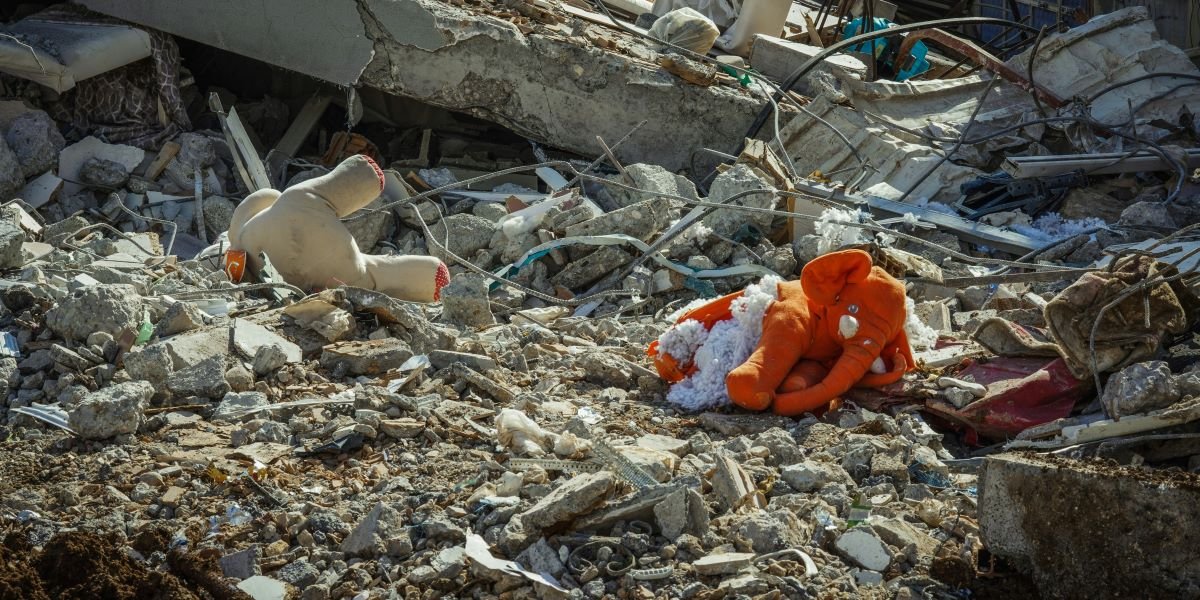
The death toll from the magnitude 6.8 earthquake that struck Kumamoto Prefecture on Japan’s Kyushu island on July 28 has risen to at least 35, with search and rescue operations continuing through July 31 at the site of a partially collapsed shopping mall and across residential neighborhoods where buildings were destroyed. The earthquake registered shindo 7, the highest level on Japan’s seismic intensity scale, in the cities of Uki and the town of Hikawa, triggering evacuations of approximately 300,000 residents, widespread fires in Kumamoto City, and infrastructure damage that has left tens of thousands of households without power, water, or gas service. The Japan Meteorological Agency has warned that strong aftershocks could continue for days, and the seismic pattern resembles the devastating April 2016 Kumamoto earthquakes that killed 273 people in the same prefecture.
- A magnitude 6.8 (MJMA 7.1) earthquake struck Kumamoto Prefecture on July 28 at 4:27 p.m. local time, registering shindo 7 in Uki City and Hikawa Town
- At least 35 people have been confirmed dead with dozens more injured; rescue crews continued searching through collapsed structures as of July 31
- An explosion, suspected to be caused by a gas leak, partially collapsed the second floor of an Aeon shopping mall in Kashima town, trapping shoppers
- Approximately 300,000 residents were ordered to evacuate; 37,000 households lost power, 9,500 lost gas service, and water was cut to most areas that experienced shindo 7 shaking
- Japan’s Self-Defense Forces were dispatched for rescue operations; the Sendai Nuclear Power Plant in neighboring Kagoshima reported no abnormalities
- The U.S. Embassy issued a natural disaster alert advising American citizens in the region to follow local evacuation orders and monitor official sources
The Earthquake and Its Immediate Aftermath
The earthquake struck at 4:27 p.m. local time on July 28, with an epicenter near the coastal city of Uto, approximately 48 kilometers southwest of Kumamoto City. The U.S. Embassy in Tokyo issued a natural disaster alert confirming the magnitude at 7.1 on the JMA scale, with wide areas across Kumamoto registering shindo 7 and shaking of shindo 5 or higher felt across Miyazaki, Kagoshima, Nagasaki, Saga, and Fukuoka prefectures. A tsunami advisory was issued for the Ariake and Yatsushiro Seas but was lifted later on July 28.
The most severe structural damage occurred at an Aeon shopping mall in the town of Kashima, where an explosion followed by white smoke preceded the partial collapse of the second floor. NHK reported that a large number of shoppers were trapped inside the structure, and the explosion is suspected to have been caused by a gas leak triggered by the seismic activity. Search teams have continued working at the mall site through July 31, with recovery efforts complicated by structural instability and aftershock risk.
Fires broke out across Kumamoto City following the initial quake, adding a secondary emergency to the rescue operations already underway. Roads were badly damaged throughout the prefecture, severing transportation links and complicating the movement of emergency vehicles and evacuation buses. The damage to road infrastructure extended to 26 sections of the Minami Kyushu Expressway, all of which were closed as of July 29.
Infrastructure Damage and the Scope of Disruption
The earthquake’s impact on Kumamoto’s infrastructure has been extensive and is expected to persist for weeks. As of the U.S. Embassy’s July 29 alert, approximately 37,000 households had lost electrical power, 9,500 households had their gas service intentionally shut off by the gas company as a safety precaution, and water service was cut to most areas that experienced shindo 7 shaking. Forty-three medical institutions across the prefecture reported disruptions to electricity, water, or gas supply, raising concerns about continuity of care for patients in a region where hospitals were simultaneously receiving earthquake casualties.
Transportation disruptions extended to air and rail. ANA and JAL suspended 40 flights through Kumamoto Airport, though a majority of services, including international flights to Taiwan and South Korea, continued operating. The Kyushu Shinkansen between Fukuoka and Kumamoto was suspended pending safety inspections, while service between Kumamoto and Kagoshima was closed for the full day on July 29. The Nishi Kyushu Shinkansen between Saga and Nagasaki continued operating normally. Cell service experienced outages in areas around Yatsushiro City, with only Softbank reporting no disruptions among the major carriers.
All post offices in Kumamoto Prefecture were closed on July 29, reflecting the scale of the disruption to daily civic and commercial life across the region. The cumulative effect of power outages, road closures, water shutoffs, and communication failures created conditions in which hundreds of thousands of residents were simultaneously displaced and disconnected from normal services.
The Rescue Operation and Japan’s Disaster Response
Prime Minister Sanae Takaichi held a press conference following the earthquake, stating that lifesaving and rescue operations were the top priority. Japan’s Defense Minister confirmed that the Self-Defense Forces accepted a disaster dispatch request from Kumamoto Prefecture, deploying teams focused on rescue operations, information gathering, and support for daily living. The mobilization followed established protocols that Japan has refined through decades of earthquake preparedness, including the response to the 2016 Kumamoto earthquakes and the 2011 Tohoku earthquake and tsunami.
The JMA noted that the seismic pattern of the July 28 earthquake resembles the April 2016 Kumamoto sequence, in which a magnitude 6.5 foreshock was followed two days later by a magnitude 7.3 mainshock that caused the majority of casualties and structural damage. That precedent has shaped the current response posture, with authorities urging residents to remain vigilant for the possibility that the July 28 event could be followed by a stronger aftershock rather than representing the sequence’s peak.
Japan’s Ministry of Internal Affairs and Communications issued a public warning about false and misleading information circulating online in connection with the earthquake, urging residents to rely on official sources for updates. The warning reflects a pattern that has accompanied recent natural disasters in Japan and globally, where social media amplifies unverified claims about damage, missing persons, and aftershock predictions faster than official channels can correct them.
The Nuclear Safety Question and Regional Context
The Sendai Nuclear Power Plant in neighboring Kagoshima Prefecture, approximately 90 kilometers south of Kumamoto City, reported no abnormalities following the earthquake. The two-reactor facility is the closest nuclear installation to the epicenter, and its operational status was among the first items addressed in official communications following the quake. The quick confirmation of nuclear safety reflects the heightened sensitivity around nuclear facilities in Japan following the 2011 Fukushima Daiichi disaster, where an earthquake and tsunami triggered a triple meltdown that permanently reshaped Japanese energy policy and public attitudes toward nuclear power.
Kumamoto Prefecture sits at the southern end of the Japan Median Tectonic Line, the country’s longest geological fault system, where a network of active faults forks in two directions at the Beppu-Haneyama Fault Zone. The Hinagu Fault to the south and the Futagawa Fault to the north have produced earthquakes historically, and seismologists have noted that epicenters along the Beppu-Shimabara graben have been migrating from west to east over time. The geological context places Kumamoto in a zone of persistent seismic risk that extends across the broader Kyushu region.
International Response and Ongoing Operations
The U.S. Embassy’s natural disaster alert advised American citizens in the affected areas to follow instructions from local officials, move to safer locations if they feel unsafe, and continue following evacuation orders until all advisories are lifted. The embassy directed citizens to monitor official sources including the Japan Meteorological Agency, NOAA Weather Radio, and Coast Guard emergency frequencies. Emergency contact numbers for the U.S. Embassy in Tokyo and consulates in Osaka-Kobe, Nagoya, Fukuoka, Sapporo, and Naha were published as part of the alert.
As of July 31, search and rescue operations remained active at the Aeon shopping mall in Kashima and at residential sites across the hardest-hit areas of Kumamoto Prefecture. The death toll of 35 is expected to rise as teams access areas that were initially unreachable due to road damage and structural collapse. The earthquake has displaced hundreds of thousands of people into evacuation centers, and the timeline for restoring full utility services, reopening transportation links, and allowing residents to return to their homes remains uncertain. For a prefecture still carrying the physical and institutional memory of the 2016 earthquakes, the July 28 event is a reminder that seismic risk in this region is not historical but ongoing.
FAQs
What Happened in the 2026 Kumamoto Earthquake?
A magnitude 6.8 (MJMA 7.1) earthquake struck Kumamoto Prefecture on Japan’s Kyushu island on July 28, 2026, at 4:27 p.m. local time. The quake registered shindo 7, the highest level on Japan’s seismic intensity scale, in Uki City and Hikawa Town. At least 35 people have been confirmed dead, approximately 300,000 residents were ordered to evacuate, and widespread damage to buildings, roads, and utilities was reported across the prefecture. An explosion at an Aeon shopping mall in Kashima town caused a partial collapse that trapped shoppers inside.
Is There Still Risk of Aftershocks in Kumamoto?
The Japan Meteorological Agency warned that strong aftershocks could continue for days following the July 28 mainshock. A magnitude 4.1 aftershock struck Kumamoto Prefecture just after midnight on July 29. The JMA noted that the seismic pattern resembles the 2016 Kumamoto earthquake sequence, in which a foreshock was followed by a stronger mainshock two days later. Residents and visitors have been advised to remain vigilant and follow evacuation orders until all advisories are lifted.
How Has the Earthquake Affected Travel to Kyushu?
Kumamoto Airport suspended 40 flights but continued operating a majority of services, including international routes. The Kyushu Shinkansen between Fukuoka and Kumamoto was suspended pending safety checks, and service between Kumamoto and Kagoshima was closed on July 29. Twenty-six sections of the Minami Kyushu Expressway were closed. The Nishi Kyushu Shinkansen between Saga and Nagasaki continued operating normally. Travelers should monitor airline and rail operator updates before planning trips to the region.