

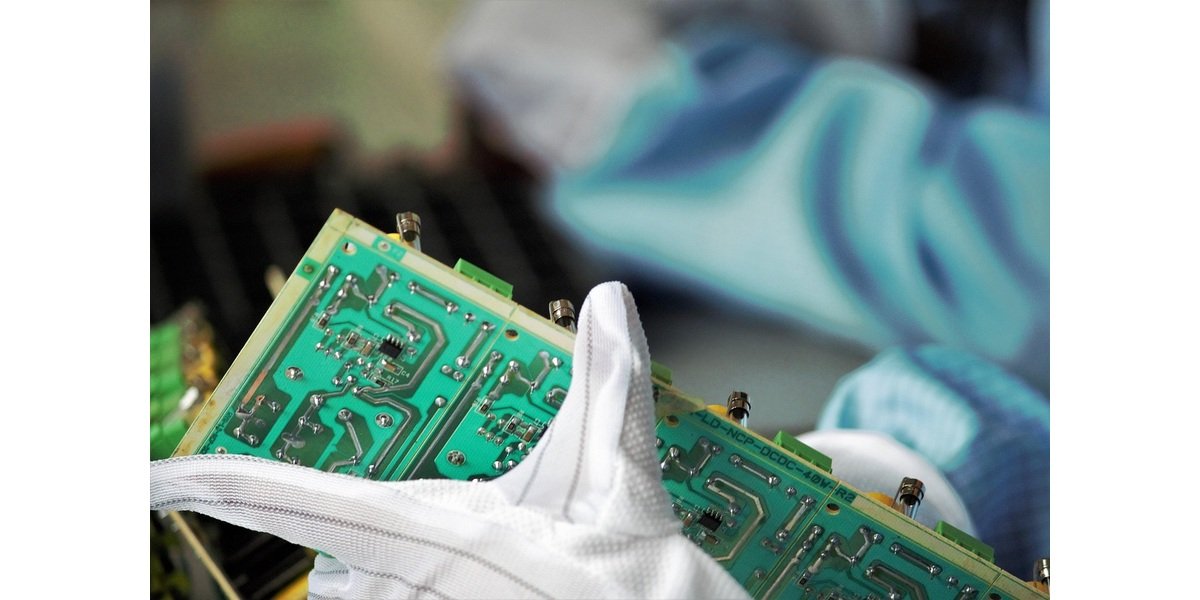
Semiconductor production is spreading from Taiwan to fabrication plants in the United States, Japan, Germany, and South Korea, driven by government subsidies and the conclusion among manufacturers and policymakers that concentrating the world’s most advanced chip output on one geopolitically exposed island carries too much risk for global supply chains.
Key Takeaways
- The 2020-2021 global chip shortage exposed how much car and electronics production depended on fabrication plants concentrated in Taiwan and East Asia.
- The United States passed the CHIPS and Science Act in 2022, and the European Union passed its own Chips Act, to attract new fabrication plants and reduce dependence on Asian suppliers.
- Japan is backing a joint TSMC-Sony-Denso plant in Kumamoto and a separate domestic venture called Rapidus in Hokkaido to rebuild its chip manufacturing industry.
- Samsung Electronics has built a large fabrication site in Taylor, Texas, alongside its existing home plants in South Korea.
- Taiwan still leads in the most advanced chip nodes because replicating its supplier network and skilled workforce elsewhere takes far longer than building a new plant.
None of this means Taiwan is losing its edge in cutting-edge chips anytime soon. What is changing is the shape of the industry itself. Production is becoming less concentrated, considerably more expensive to duplicate, and slower to shift than politicians promise when they cut ribbons on new fabrication plants.
The Pandemic and Geopolitical Risk Pushed Chipmakers Beyond Taiwan
The pandemic-era chip shortage that stalled car factories and appliance makers around 2020 and 2021 gave governments a blunt lesson: a huge share of the world’s logic chips came from a small number of fabrication plants clustered in one place. When shipping snarled and demand spiked at the same time, automakers from Detroit to Stuttgart idled assembly lines for months waiting on parts that cost only a few dollars each.
Add to that the standing tension across the Taiwan Strait, and the calculation changes for any company that depends on a steady chip supply. A joint Semiconductor Industry Association and Boston Consulting Group study found that approximately 75% of global semiconductor manufacturing capacity is concentrated in China and East Asia, a region significantly exposed to seismic activity and geopolitical tensions. The same study found that 100% of the world’s most advanced manufacturing capacity (below 10 nanometers) is located in Taiwan and South Korea. Insurance against disruption, not just cost, has become part of how boards think about where their components come from.
Government Subsidies Are Funding Fabrication Plants Across Three Continents
The United States passed the CHIPS and Science Act in 2022, offering incentives to companies willing to build fabrication plants on American soil. Since 2020, semiconductor companies have announced more than $770 billion in private-sector investments across 160 projects in 30 states, according to the Semiconductor Industry Association’s 2026 State of the Industry report. The SIA projects the United States will triple its domestic semiconductor manufacturing capacity from 2022 to 2032, representing 203% growth, the largest projected percentage increase in the world over that period.
The European Union followed with its own Chips Act aimed at lifting the bloc’s share of global chip production and reducing dependence on suppliers in Asia. Japan has taken a similar path, offering support to Taiwan Semiconductor Manufacturing Company (TSMC) for a joint plant in Kumamoto built with Sony and Denso, and separately backing a domestic venture called Rapidus that is trying to build advanced logic chip capacity in Hokkaido almost from scratch. None of these programs move fast. Fabrication plants take years to design, permit, and equip, and the subsidies only cover part of the bill.
Japan and South Korea Are Rebuilding Capacity With State Backing
Japan once dominated global chip manufacturing in the 1980s, holding more than half of worldwide production, before losing ground to Korean and Taiwanese rivals over the following two decades. The country is now trying to rebuild that capacity with state backing rather than leaving it purely to private investment. The Kumamoto TSMC plant already produces chips for cars and consumer electronics, giving Japan a foothold in mid-range manufacturing that it had largely ceded.
South Korea’s Samsung Electronics has pushed forward with a large fabrication site in Taylor, Texas, adding to its existing home base in Pyeongtaek and Hwaseong. Both countries are betting that spreading capacity across allied territories reduces the odds that any single flashpoint can freeze global chip supply at once.
No Country Has Replicated Taiwan’s Chip Ecosystem
This is where the picture gets more complicated. The semiconductor manufacturing relocation underway right now rarely touches the most advanced chip nodes, where Taiwan still holds a clear lead through TSMC’s home plants around Hsinchu and Tainan.
Building a fabrication plant is only part of the challenge. The harder part is replicating the dense web of suppliers, equipment technicians, materials specialists, and engineers that grew up around Taiwan’s chip industry over decades. New plants in Arizona or Dresden often rely on Taiwanese engineers rotating in for extended stretches, and local workforces still take years to reach the same fluency with the equipment.

Distributed Production Reduces Risk but Raises Costs
Spreading production across more countries reduces the odds of a single disruption freezing the entire industry, but it does not come free. Building and running a fabrication plant outside Taiwan generally costs more, given higher construction expenses, tighter labor markets for skilled technicians, and the need to import specialized equipment and materials that Taiwan’s cluster already has close at hand.
That extra cost eventually shows up somewhere in the chain, whether in the price of a graphics card, a car’s onboard computer, or a smartphone. Governments are effectively paying an insurance premium for resilience, and companies are passing part of that premium along rather than absorbing it entirely.
The trade-off raises a genuine tension for policymakers. Subsidizing redundant capacity is expensive and slow, but leaving so much advanced manufacturing in one place, as the pandemic showed, carries its own cost when something goes wrong.

A Longer, Costlier Path to a More Distributed Industry
The SIA has for years pressed government and industry to work together to spread manufacturing risk more evenly across regions rather than relying on any single hub. That pressure has translated into real construction projects in Arizona, Kumamoto, and Dresden, even if the most advanced work still runs through Taiwan.
Whether that spread arrives fast enough to matter in the next crisis, rather than just the last one, is a question the industry still cannot answer with any confidence. Global semiconductor sales reached a record $795.6 billion in 2025 and are projected to exceed $1.5 trillion in 2026, according to the World Semiconductor Trade Statistics organization. The scale of what is at stake continues to grow faster than the diversification effort can keep pace, and every new fabrication plant that breaks ground outside Taiwan narrows the concentration risk by a fraction while underscoring how much of it remains.
FAQs
Is TSMC Moving Its Most Advanced Production Out of Taiwan?
No. Taiwan Semiconductor Manufacturing Company keeps its leading-edge chip production at home plants near Hsinchu and Tainan, while newer overseas sites in Arizona, Kumamoto, and Dresden generally run less advanced manufacturing processes.
Why Did the Pandemic Chip Shortage Matter So Much for Car Manufacturers?
Modern vehicles rely on many small, inexpensive chips for functions like braking sensors and infotainment systems, and when pandemic-era shipping and demand shocks hit around 2020 and 2021, automakers had to idle assembly lines because they could not source those parts.
What Is the CHIPS and Science Act?
It is United States legislation passed in 2022 that offers incentives to companies building semiconductor fabrication plants on American soil, part of a broader effort to reduce dependence on chip production concentrated in East Asia.
What Is Rapidus?
Rapidus is a Japanese venture backed by government support that is trying to build advanced logic chip manufacturing capacity in Hokkaido, aiming to rebuild capabilities Japan largely lost to Taiwanese and Korean rivals since the 1980s.
Does Building New Chip Plants Outside Taiwan Lower Prices for Consumers?
Not directly. Building and operating fabrication plants outside Taiwan’s established cluster generally costs more due to labor, construction, and equipment expenses, and some of that added cost tends to filter into the price of finished electronics.
How Long Does It Take to Build a Semiconductor Fabrication Plant?
Fabrication plants typically take several years from design and permitting through equipment installation and testing before they reach full production, which is one reason diversification efforts move slower than political announcements suggest.