

Manhattan, an island teeming with life and legend, is defined by its labyrinthine network of streets, each possessing its own unique character, history, and story. From the iconic avenues that have become synonymous with global commerce and culture to the intimate, cobblestoned lanes tucked away from the bustling crowds, the streets of Manhattan offer an endless journey of discovery. They are the arteries of a vibrant metropolis, reflecting centuries of evolution, ambition, and the relentless energy that defines New York City.
Read Also: Latin Fashion Week in NYC Celebrates Latino Heritage in Style
Navigating Manhattan’s grid, while seemingly straightforward, reveals fascinating anomalies and hidden gems that defy the uniform numbering system. The island’s development, from its Dutch origins in Lower Manhattan to the meticulously planned grid above Houston Street, has created a diverse tapestry of urban landscapes. These streets are more than mere conduits for traffic; they are open-air museums, stages for everyday dramas, and vibrant commercial corridors, constantly alive with the pulse of millions of lives intersecting.
This guide invites you to explore the very essence of Manhattan through its streets, both celebrated and secreted away. We will journey through the historical narratives embedded in their names, uncover the architectural marvels that line their paths, and peek into the quieter corners that offer respite from the urban roar. By walking these famous avenues and delving into their hidden counterparts, you will gain a deeper appreciation for the unparalleled charm and complexity of one of the world’s most captivating cities.
Which Famous Avenues Define Manhattan’s Iconic Status?
Manhattan’s grid is dominated by several iconic avenues that have achieved global recognition, each representing a distinct facet of New York City’s identity. Fifth Avenue, perhaps the most famous, stretches north from Washington Square Park, transforming from a cultural and residential spine into a world-renowned luxury shopping destination. Lined with flagship stores of international brands, historic mansions, and landmark institutions like St. Patrick’s Cathedral and Rockefeller Center, it symbolizes wealth, prestige, and high fashion. The stretch from 82nd to 110th Streets is famously known as “Museum Mile,” home to a cluster of prestigious cultural institutions including the Metropolitan Museum of Art and the Guggenheim.
Broadway, the city’s oldest and longest thoroughfare, defies Manhattan’s strict grid system by cutting diagonally across it, creating unique triangular intersections like Times Square. Its name is synonymous with the vibrant theater district, where the world’s most celebrated stage productions come to life under dazzling neon lights. Beyond its theatrical heart, Broadway extends through various neighborhoods, showcasing a diverse urban tapestry from the Financial District to the Upper West Side, making it a cultural and commercial artery that has shaped the city’s very fabric for centuries, from its Dutch origins as “brede weg” (broad road).
Then there’s Wall Street, a relatively short but immensely powerful street in Lower Manhattan, which has become a global metonym for financial might. Home to the New York Stock Exchange and other major financial institutions, its impressive Gilded Age architecture speaks to a history of immense wealth and influence. Similarly, Park Avenue, originally the route of the New York and Harlem Railroad, transformed into a wide boulevard characterized by its grand residential buildings and corporate headquarters, particularly in Midtown. Its central median, often adorned with greenery, provides an elegant urban oasis amidst the concrete jungle, reflecting a deliberate effort to create a more refined cityscape.
Where Can You Discover Manhattan’s Quaintest and Most Hidden Streets?
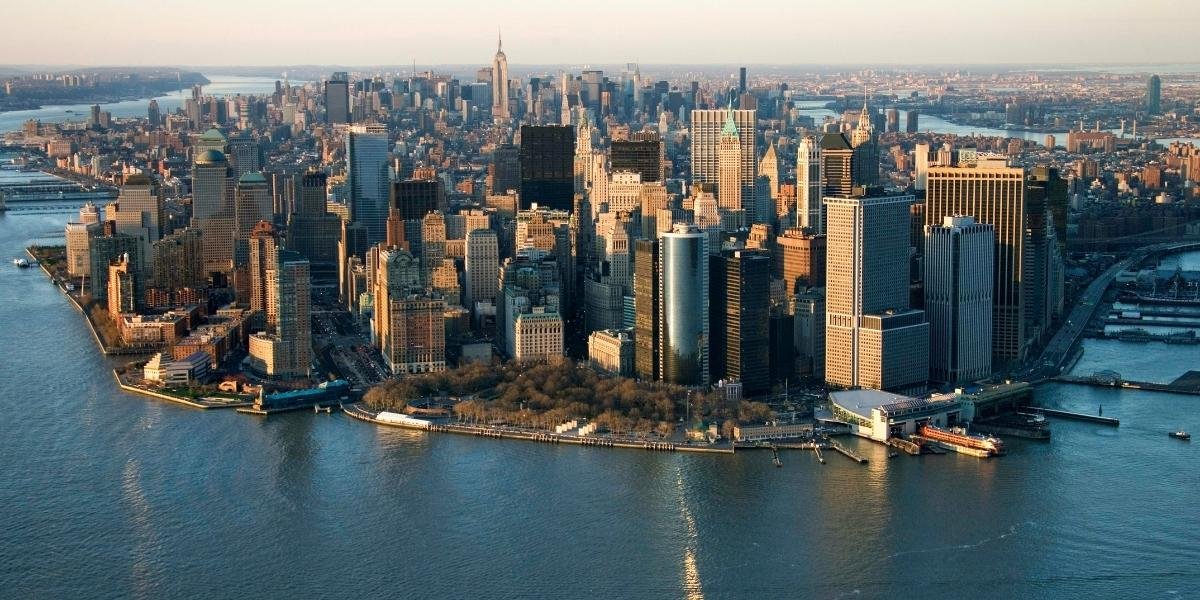
Beyond the grand avenues, Manhattan harbors a fascinating collection of hidden streets and quaint enclaves that offer a serene escape from the city’s relentless pace. These often-overlooked gems provide a glimpse into the island’s past, with architectural styles and street patterns that predate the rigid 1811 grid plan. The Washington Mews, a private, cobblestoned street located north of Washington Square Park, is a prime example. Originally stables and carriage houses for the grand homes on Washington Square North, it now serves as faculty housing for NYU and retains a charming, almost European village feel, making it a popular spot for quiet strolls and photography.
In Greenwich Village, a neighborhood known for its bohemian history and winding streets that famously defy the grid, you’ll find numerous charming surprises. Gay Street, a short, curving lane lined with Federal and Greek Revival-style homes, is particularly picturesque. While the origin of its name is debated, it has become a symbolic location within the LGBTQ+ community. Nearby, Patchin Place and MacDougal Alley are private, gated cul-de-sacs that have housed generations of artists, writers, and cultural figures, offering an extraordinary sense of seclusion and history, almost entirely hidden from plain sight.
Further downtown, Cortlandt Alley in TriBeCa stands out as one of Manhattan’s rare surviving alleys. Unlike the purpose-built streets of the grid, alleys were largely omitted from the 1811 plan to maximize real estate. Cortlandt Alley, with its gritty, atmospheric brick walls and fire escapes, has become a favorite filming location for movies and TV shows seeking that quintessential “New York alley” vibe. These hidden passages and unique streets provide a sense of discovery, revealing the layers of history and unexpected pockets of tranquility that define Manhattan beyond its towering skyscrapers and bustling thoroughfares.
How Do Specific Streets Reflect Manhattan’s Diverse History and Culture?
Manhattan’s streets are living historical documents, each bearing names and features that tell tales of its past, from colonial origins to vibrant countercultures. The Bowery, for instance, is New York City’s oldest thoroughfare, predating even the famed Broadway. Its name, derived from the Dutch word “bouwerij” meaning “farm,” reflects its original purpose as a road connecting farmlands to the more urban Wall Street area. Over centuries, it has transformed from a rural lane to a notorious vice district, and now a burgeoning cultural corridor with museums and trendy establishments, showcasing its multifaceted evolution.
St. Mark’s Place, located in the East Village, is another street steeped in counter-cultural history. From the Beat Generation of the 1950s to the hippies of the 1960s and the punk rock scene of the 1980s, this street has been a mecca for artists, musicians, and trendsetters. Its legacy as a hub for artistic expression and rebellion is still palpable in its unique shops, performance venues, and alternative vibe, attracting those seeking an unconventional slice of New York life. It embodies the spirit of downtown cool and independent thought that has long defined the East Village.
Even the seemingly mundane numbered streets hold historical significance. For instance, many streets in Greenwich Village that were built prior to the 1811 grid plan retained their original names or unconventional numbering. West 4th Street, for example, famously runs north-south in Greenwich Village, creating intersections with higher-numbered streets like West 10th and 11th, a confusing anomaly that is a direct result of the grid plan being laid over an already developed area. This quirk reflects the organic growth of the village before the rigid planning took hold, showcasing how history literally shaped the urban landscape.
What Role Do Streets Play in Manhattan’s Architecture and Urban Planning?
Manhattan’s street grid, primarily laid out by the Commissioners’ Plan of 1811, was a monumental act of urban planning that profoundly influenced the city’s architectural development. This systematic design of uniform blocks and numbered streets and avenues provided a predictable framework for development, enabling the rapid growth and efficient expansion of the city northward. This grid facilitated the construction of towering skyscrapers, as parcels of land were easily defined and developed vertically, contributing to Manhattan’s iconic skyline and its reputation as a hub for modern architecture and commerce.
The intersections created by Broadway cutting across the grid, such as Times Square and Herald Square, led to the creation of unique triangular plots that often house distinctive buildings. The Flatiron Building, for example, is a celebrated architectural marvel that perfectly utilizes its triangular lot where Fifth Avenue, Broadway, and 23rd Street converge. These unusual intersections often become focal points, inspiring innovative architectural solutions and creating dynamic urban spaces that serve as landmarks, showcasing the interplay between street design and building form.
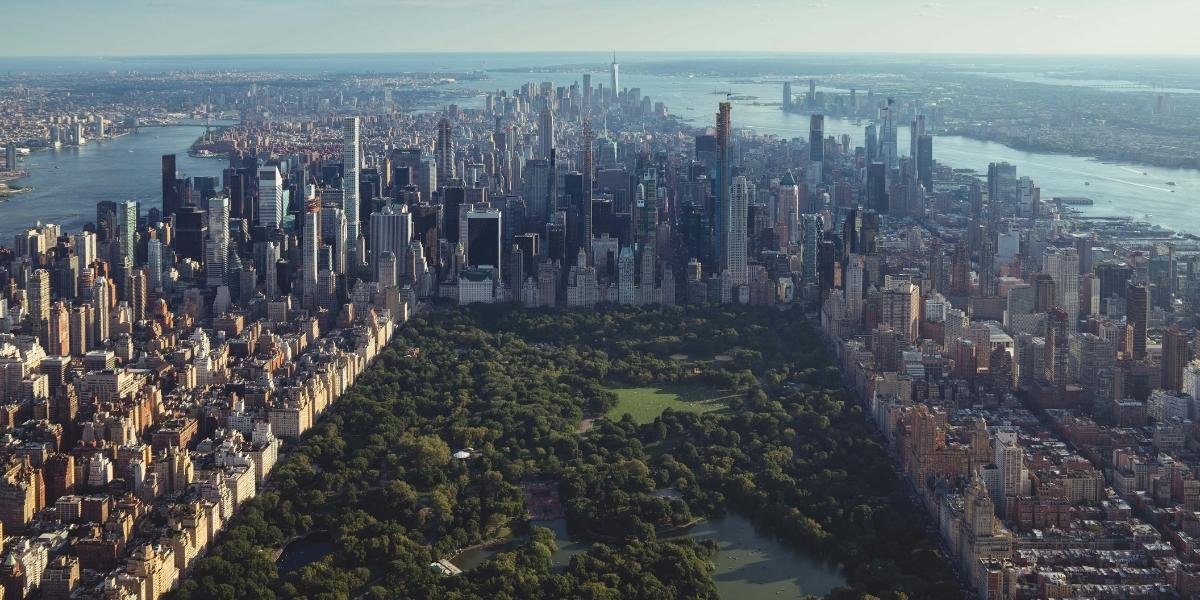
The scale and orientation of Manhattan’s avenues, particularly the wide, north-south running thoroughfares like Fifth, Park, and Madison Avenues, have significantly influenced the design of grand buildings. These avenues provide ample light and space, allowing for the construction of impressive residential buildings, corporate headquarters, and cultural institutions that contribute to the city’s monumental scale. Even the smaller, named streets in historic districts, with their more intimate scale and pre-grid charm, influence architectural preservation efforts, balancing modern development with the need to retain the city’s diverse historical fabric and ensuring that the past continues to shape the present.
How Do Manhattan’s Streets Shape Its Social Fabric and Public Life?
Beyond their physical and historical dimensions, Manhattan’s streets are the vibrant stage upon which the city’s social fabric and public life unfold daily. From the morning rush hour on Wall Street to the late-night crowds spilling out of theaters on Broadway, these thoroughfares are dynamic arenas for human interaction, commerce, and cultural expression. They serve as essential public spaces, where diverse communities intersect, ideas are exchanged, and the pulse of the city is most keenly felt, embodying the very essence of urban living.
The character of each street often dictates the kind of social activity it fosters. Fifth Avenue, with its high-end boutiques and luxury storefronts, attracts shoppers and tourists, creating a sophisticated yet bustling atmosphere. Washington Square Park, and the surrounding streets of Greenwich Village, particularly Bleecker Street and MacDougal Street, become communal gathering spots for artists, musicians, students, and residents, fostering a lively bohemian atmosphere with street performers, cafes, and independent shops. These streets cultivate distinct social ecosystems that reflect the demographics and aspirations of their respective neighborhoods.
Read Also: New Jersey Vs. New York: How to Get the Best Out of Both Cities
Even the hidden and less-traveled streets contribute to Manhattan’s intricate social texture. The quiet charm of a residential mews or a historic alley offers moments of unexpected intimacy and respite, cherished by locals and discovered by intrepid visitors. These spaces allow for a different kind of public life, one of quiet contemplation, neighborhood interactions, and a deeper connection to the city’s quieter rhythms. Collectively, Manhattan’s famous and hidden streets form a complex, ever-evolving tableau, constantly shaping and reflecting the diverse social experiences of millions who live, work, and visit this extraordinary island.