
What the World Heritage List Represents
The World Heritage List is maintained by the United Nations Educational, Scientific and Cultural Organization (UNESCO). It includes sites considered to have “outstanding universal value” based on cultural, historical, or natural significance. Properties on the list benefit from international recognition and access to technical and financial assistance for conservation.
During its 47th session held in Paris, UNESCO officially added 26 new properties to the list. These include 21 cultural sites, four natural sites, and one mixed site. The additions span six continents and reflect a wide range of traditions, histories, and ecosystems. The full list is available through UNESCO’s official announcement.
The committee also reviewed the conservation status of 123 existing properties and approved additional funding for preservation efforts in countries such as Colombia, Mauritius, and Tanzania. These decisions are part of UNESCO’s broader commitment to safeguarding shared heritage and supporting local communities.
Which Sites Were Added and Why They Matter
Among the newly inscribed sites are locations in Kenya, Uzbekistan, and the Philippines. Each was selected for its cultural significance and contribution to global understanding.
In Kenya, the Sacred Mijikenda Kaya Forests were recognized for their role in preserving the spiritual and social practices of the Mijikenda people. These forested areas contain fortified villages known as “kaya,” which serve as places of worship and community memory.
Uzbekistan’s Silk Road cities, including Bukhara and Samarkand, were acknowledged for their architectural heritage and historical importance as trade hubs. These cities reflect centuries of cultural exchange across Asia and the Middle East.
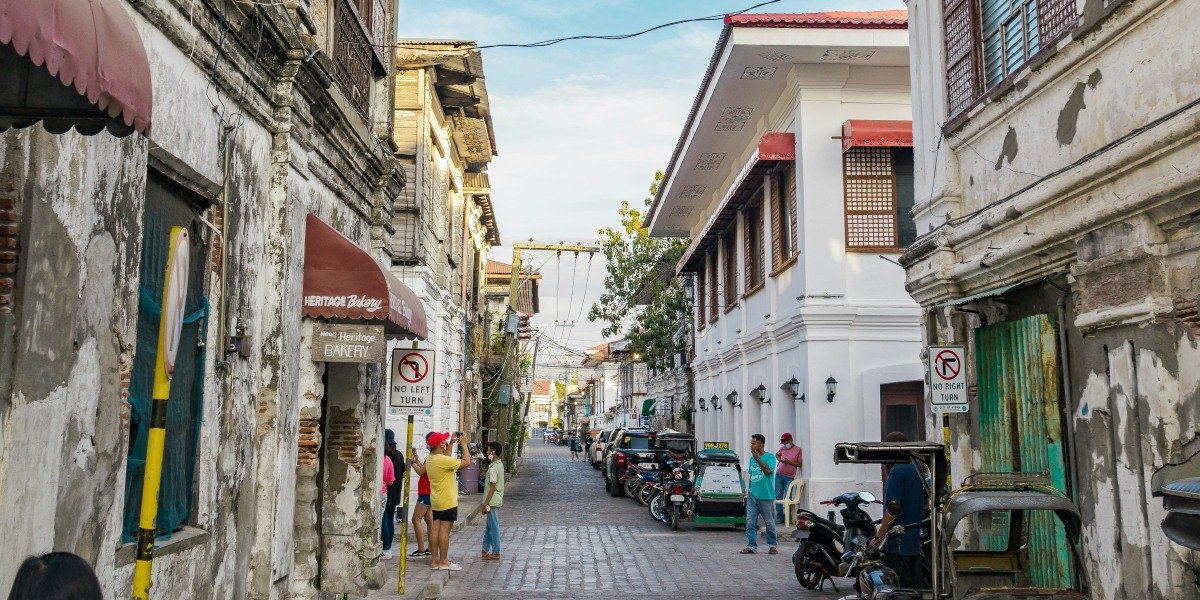
The Philippines’ nomination focused on the Historic Town of Vigan, which showcases Spanish colonial architecture blended with Asian building techniques. Vigan’s preservation efforts have been supported by national and local initiatives, making it a model for heritage management in Southeast Asia.
Other notable additions include Germany’s palaces of King Ludwig II, Jamaica’s Port Royal archaeological site, and Mexico’s Wixárika pilgrimage route. A full breakdown of the newly added sites is available from UNESCO UK.
How These Sites Are Protected
Once a site is added to the World Heritage List, it becomes eligible for international support. This includes funding for restoration, training for local conservation teams, and technical guidance. UNESCO works with national governments and community organizations to ensure that protection measures are culturally appropriate and sustainable.
Sites may also be placed on the List of World Heritage in Danger if they face threats such as environmental degradation, armed conflict, or uncontrolled tourism. During the 2025 session, the Monastery of Saint Hilarion in Palestine was added to both lists due to its fragile condition and historical importance.
UNESCO emphasizes the role of local communities in heritage protection. Many of the newly inscribed sites were nominated with input from residents, scholars, and cultural leaders. This approach helps ensure that conservation efforts respect local values and traditions.
The organization also encourages educational outreach, including signage, museum exhibits, and school programs. These efforts aim to build public awareness and support for heritage preservation.
What This Means for Global Cultural Identity
The expansion of the World Heritage List reflects growing international interest in cultural preservation. By recognizing diverse sites, UNESCO helps promote understanding across borders and encourages responsible tourism.
For countries like Kenya, Uzbekistan, and the Philippines, inclusion on the list can bring economic benefits through increased tourism and international partnerships. It also affirms the importance of local heritage in global conversations.
The recognition of Indigenous traditions, colonial histories, and ancient trade routes highlights the complexity of cultural identity. These sites offer opportunities for reflection and learning, helping visitors connect with histories that may differ from their own.
UNESCO’s work continues to evolve as new challenges emerge. Climate change, urban development, and political instability all affect heritage sites. The organization’s collaborative model aims to address these issues through shared responsibility and long-term planning.
The next session of the World Heritage Committee will be held in Sofia, Bulgaria, in the summer of 2026. Preparations are already underway to review new nominations and assess ongoing conservation efforts.