

Long before digital optics became common in hunting and outdoor use, much of the work in observation equipment was driven by small technical groups focused on basic mechanical tools. In the early 1990s, optical manufacturing in Eastern Europe was characterized by local engineering traditions and modest production runs. Most firms started with narrow product lines and often moved into electronics as sensors and image processing gradually became available. This wider trend in optical technology opened up avenues whereby firms could move from simple observation devices to more sophisticated night vision and thermal imaging systems, a development underpinned especially in the late 1990s by the development of civilian and outdoor markets.
Yukon Advanced Optics Worldwide traces its beginnings to 1991, when its founders started producing early observation tubes. These were basic devices intended for viewing rather than targeting or recording. During the 1990s, the company expanded into night vision equipment as image intensifier technology became more accessible. By the early 2000s, it had added optical devices to its product range, reflecting wider changes in how optics were being used for hunting and field observation. This period marked a shift from small-scale manufacturing toward a more structured approach to product development and international distribution.
The company formalized its corporate structure in the mid-2000s, a move that supported broader product planning and export activity. Operations were established primarily in Lithuania, with additional facilities later operating in Latvia. These locations offered access to technical labor and manufacturing infrastructure suited to precision optics and electronic assembly. Centralizing development and production allowed the company to shorten testing cycles and coordinate design updates across different product categories. This structure also supported compliance with European manufacturing standards, which became increasingly important as devices incorporated digital components and software.
In 2009, Yukon Advanced Optics Worldwide launched Pulsar as a separate brand focused on digital night vision and thermal imaging. The creation of a dedicated brand allowed the company to group its electronic products under a single identity rather than mixing them with traditional optical lines. Pulsar was positioned as a platform for devices that relied on sensors, processors, and display systems instead of image intensifier tubes alone. The timing reflected growing demand for digital systems that could operate in low-light and no-light conditions without relying on legacy technologies.
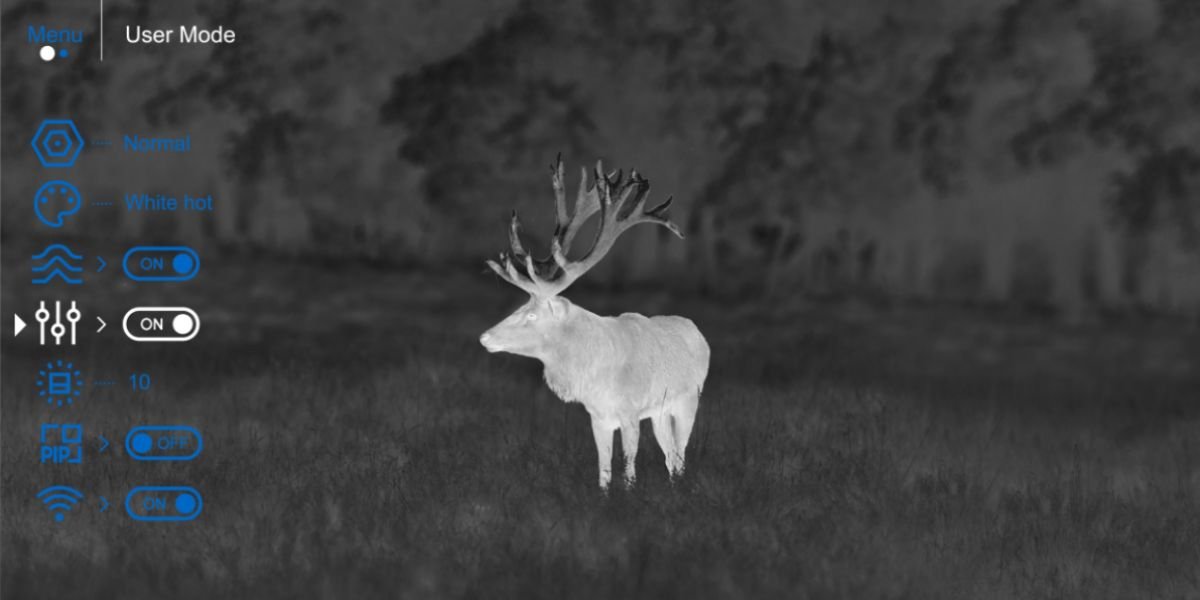
The early years of Pulsar focused on building product families rather than isolated models. Regarding the product line, the corporation introduced thermal monoculars, thermal binoculars, and thermal riflescopes during the 2010s. Each product line underwent many generations, with successive generations building on past success in terms of sensor resolution, battery life, and housing. Later generations introduced other functionalities, such as the ability to record images electronically and through wireless connectivity, since the needs kept changing. This was despite the product line having been based on the 2009 guidelines.
Development, as well as production, took place within Lithuania, with Latvia taking on production-related support tasks. This regionalization of operations allowed the firm to integrate research as well as bulk assembly relatively close to each other, thus shortening remote, vulnerable supply chains to procure important components. In thermal imaging cameras, whose calibration processes, among other aspects of quality, are non-negotiable, it is important to note that proximity to production meant faster changes or modifications. Additionally, it aided in harmonizing overall design, be it consumer, hunting, or outdoor models, which, to some extent, encounter similar conditions.
Pulsar’s product focus reflected a broader shift in outdoor equipment toward multifunction devices. Thermal optics were increasingly used not only for hunting but also for wildlife observation and search activities. Digital night vision systems offered alternatives to traditional analog scopes, particularly in regions where electronic devices were easier to maintain. By organizing development around digital platforms, the brand could update firmware and software features without redesigning entire housings. This approach allowed devices to remain in production longer while still receiving functional updates through later versions.
Industry recognition in the 2020s followed this long-term development path. In 2021, the Thermion XG50 received an optics award from a major firearms publication, and the brand also received Tactical Retailer Choice Awards in the same year. Another gold-level Tactical Retailer Choice Award followed in 2025 for thermal and night vision products. These acknowledgments reflected feedback from retailers and industry groups rather than direct consumer voting. While awards do not measure market size, they are commonly used as indicators of technical acceptance within specialized equipment sectors.
As of early 2026, Pulsar continues to operate under Yukon Advanced Optics Worldwide, with development and production centers in Lithuania and Latvia. The brand remains focused on digital night vision and thermal imaging devices across hunting and outdoor markets. Its structure, created through the separation from the parent company’s broader optical lines in 2009, continues to shape how products are designed and released. From its origins in basic observation tools in 1991 to its later identity as a digital optics brand, Pulsar represents a case of gradual technical specialization rather than rapid market entry, rooted in long-term manufacturing continuity within the same regional base.