
The Nevada Transportation Authority unanimously approved permits on August 20 allowing Tesla, Uber, and Waymo to operate commercial robotaxi services in Clark County, home to Las Vegas. The combined authorizations would permit up to 8,000 autonomous vehicles to deploy over the next 12 months, making Las Vegas one of the largest commercial testing grounds for driverless ride-hailing in the world.
Key Takeaways
- The Nevada Transportation Authority approved permits on August 20 for Tesla (up to 5,000 robotaxis), Waymo (up to 1,000), and Uber (up to 1,000, operating through partnerships with Hyundai subsidiary Motional and Zoox) to offer paid autonomous rides in Clark County
- Tesla’s expanded permit replaces a July authorization that capped the company at just 10 vehicles, removed the 45 mph speed ceiling, and extended the operating area from a Strip-only geofence to all of Clark County with room for statewide expansion
- Tesla’s Cybercab chief engineer Eric Early said the 5,000-vehicle figure is a ceiling, not a target, and that the company would be “extremely happy” to reach 2,500 in the first year
- Amazon-owned Zoox already holds a separate permit for 100 robotaxis and began charging for rides on August 10, giving Las Vegas four competing autonomous ride-hailing operators
- Clark County welcomed 38.5 million visitors in 2025 and supports more than 250,000 tourism-related jobs, raising questions about workforce displacement as autonomous fleets scale
Tesla’s Permit Represents a Dramatic Regulatory Reversal in Less Than a Month
The scale of Tesla’s August 20 approval stands in sharp contrast to the permit the same agency issued on July 27. That earlier authorization, granted through Docket 26-05015, capped Tesla’s fleet at 10 fully autonomous vehicles, confined them to an approved stretch of the Las Vegas Strip, barred pickups at Harry Reid International Airport, imposed a 45 mph speed limit, and required every trip to include “appropriate human supervision.” Growing the fleet beyond 10 required returning to the Authority for a new approval.
The August 20 permit eliminates those restrictions. Tesla’s operating area now covers all of Clark County, and the company can request further expansion across the state by notifying the Authority. The fleet ceiling moves from 10 to 5,000 vehicles over the next 12 months. Commercial rides are expected to begin within 30 days, pending vehicle inspections, insurance filings, and fare approval.
The Nevada Transportation Authority has not publicly explained what changed between the two decisions. Tesla representatives at the August 20 hearing said the company is working with local law enforcement to produce a five-minute step-by-step video that first responders can follow during emergencies involving its autonomous vehicles. Every Tesla robotaxi will be labeled as such, and passengers will be informed that they are riding in a driverless vehicle before the trip begins.
Four Operators Will Now Compete for Riders in the Same Market
The August 20 approvals bring the number of permitted autonomous ride-hailing operators in Clark County to four. Amazon-owned Zoox holds Autonomous Vehicle Network Company Permit 001 in Nevada, amended on July 16 to authorize up to 100 vehicles. Zoox began charging for rides on August 10 after clearing its federal safety hurdle and currently runs roughly 50 vehicles on the Strip.
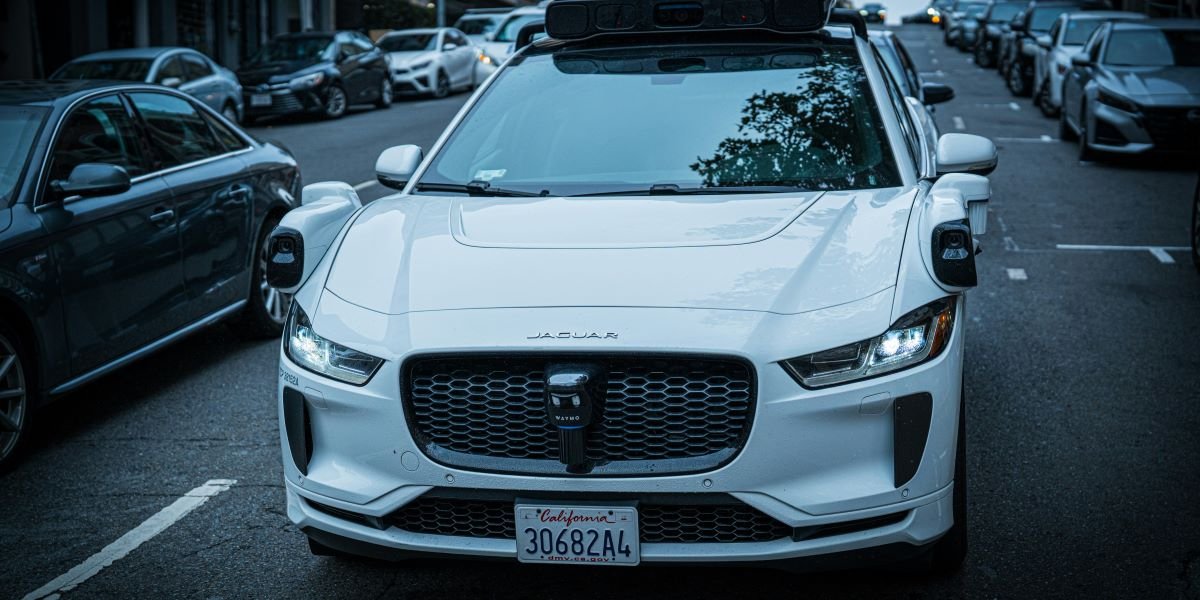
Waymo, the Alphabet-owned autonomous driving subsidiary, received permission to operate fully driverless (without human safety riders) in Las Vegas in July but could not charge for trips until the August 20 permit was granted. Waymo’s authorization covers up to 1,000 vehicles over the next year.
Uber’s permit, also capped at 1,000 robotaxis, takes a different structural approach. Rather than operating its own autonomous fleet, Uber will provide rides through partnerships with Motional (a Hyundai subsidiary) and Zoox, integrating third-party autonomous vehicles into the Uber app. Sarfraz Maredia, the global head of Autonomous Mobility and Delivery at Uber, confirmed the approval publicly following the hearing.
If all four operators deploy at or near their permitted ceilings, Clark County would host more than 8,000 commercial robotaxis within a year, a concentration that no other metropolitan area in the world currently approaches. Whether actual deployments reach those levels remains uncertain. Tesla’s Cybercab chief engineer Eric Early tempered expectations at the hearing, stating that the 5,000-vehicle figure has “always been a ceiling” and that the company would be “extremely happy and satisfied” to deploy 2,500 or slightly more in the first 12 months.
Las Vegas Offers a Specific Set of Conditions That Attract Autonomous Vehicle Companies
The decision to concentrate autonomous vehicle deployment in Clark County is not coincidental. Las Vegas presents a combination of factors that make it unusually suitable for commercial robotaxi operations. The road network in the primary tourism corridor is structured around wide, well-marked arterials with consistent lane geometry. The climate is dry and warm year-round, eliminating the snow, ice, and heavy rain conditions that complicate sensor performance in other markets. Nevada’s regulatory framework has historically been more accommodating to autonomous vehicle testing and deployment than California’s, which imposes more extensive reporting requirements and has been slower to grant driverless permits.
The tourism economy also creates a ridership profile that favors autonomous services. Clark County welcomed 38.5 million visitors in 2025. Many of those visitors arrive without personal vehicles and rely on taxis, ride-hailing, and shuttles for transportation between the airport, hotels, restaurants, and entertainment venues. The demand is concentrated geographically and operates on a schedule that peaks during evenings and weekends, periods when autonomous fleets can run continuously without the shift constraints of human drivers.
For the companies involved, Las Vegas functions as both a commercial market and a public proof of concept. Operating at scale in a high-profile tourism destination generates visibility that extends beyond the local market. If robotaxis perform reliably on the Strip, the operational data and public perception benefits carry over into expansion applications in other jurisdictions.
Workforce Implications Remain the Central Unresolved Question
The economic tension embedded in the August 20 approvals centers on what happens to the human drivers who currently serve the same market. Clark County’s casino corridor generated roughly $8.8 billion in gaming revenue in 2025 and directly supported more than 250,000 jobs. A significant portion of those jobs are in transportation: taxi drivers, ride-hailing operators, airport shuttle drivers, and limousine services that move visitors between the airport and the Strip.
The companies approved on August 20 have offered different framings of the workforce question. Tesla and Waymo have pointed to new job categories that autonomous fleets will create, including vehicle maintenance, charging infrastructure, remote monitoring, and fleet cleaning. Uber has emphasized that its model integrates autonomous vehicles alongside human drivers rather than replacing them outright. Labor advocates and some Clark County officials have countered that the scale of the deployment, even at half the permitted ceiling, could eliminate thousands of driving jobs faster than new roles are created.
The Nevada Transportation Authority’s decision does not include workforce transition provisions, training mandates, or displacement monitoring requirements. The permits are structured as transportation authorizations, not economic development instruments. Any policy response to job displacement would need to come from the state legislature or county government, neither of which has announced proposals tied to the robotaxi expansion.
What is clear is that Las Vegas is now the primary arena where the commercial viability and social cost of large-scale autonomous ride-hailing will be tested simultaneously. The permits are approved. The vehicles are coming. The question is no longer whether robotaxis will operate on the Strip but how many, how fast, and at whose expense.
FAQs
How many robotaxis are approved for Las Vegas?
The Nevada Transportation Authority approved permits for up to 8,000 robotaxis across four operators: Tesla (5,000), Waymo (1,000), Uber (1,000), and Zoox (100, under a separate earlier permit). These are 12-month ceilings, and actual deployments are expected to be lower.
When will robotaxi rides be available in Las Vegas?
Zoox began charging for rides on August 10. Tesla expects to launch commercial rides within 30 days of the August 20 approval, pending inspections, insurance, and fare approval. Waymo and Uber have not announced specific launch dates but hold active permits.
Will robotaxis replace human taxi drivers in Las Vegas?
The scale of the approved deployment raises workforce concerns, but the Nevada Transportation Authority’s permits do not include workforce transition provisions. Companies have pointed to new job categories in fleet maintenance and remote monitoring, while labor advocates warn of potential displacement among the more than 250,000 tourism-related workers in Clark County.