

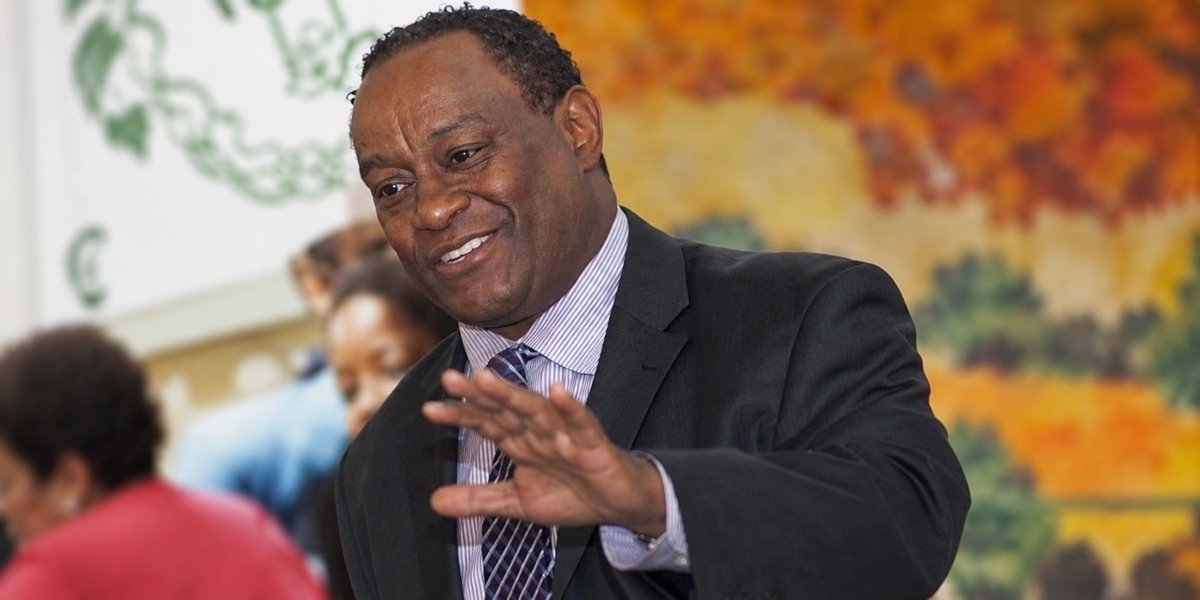
By: Christopher M. Spence
I have met many boys whom adults called “reluctant readers.” Some struggled with the words on the page. Others could read but had stopped believing that reading had anything to do with their lives. The label described what we saw. It did not always tell us why it was happening.
The concern is real. Across OECD countries, 31 percent of boys and 22 percent of girls in the 2022 PISA assessment did not reach its baseline level of reading proficiency. But a statistic cannot tell us what any particular boy needs. He may need help sounding out words, making sense of a passage, finding a book that interests him, or feeling safe enough to admit that reading is hard.
As a teacher and principal, I saw boys resist a classroom assignment and then study sports statistics, debate a game’s storyline or ask questions about someone they admired. Their interest did not make the reading difficulty disappear. It gave us a place to begin.
That observation shaped my books Creating a Literacy Environment for Boys and The Joys of Teaching Boys, and later initiatives including Read to Succeed and Boys to Men. The question guiding that work was simple: Before calling a child reluctant, have we given him the instruction, choices, relationships, and reasons he needs to become a reader?
Effective instruction comes first. A child who struggles to recognize words needs direct teaching and the chance to practise. A child who reads the words but cannot explain their meaning needs help building vocabulary, knowledge and comprehension. Teachers need time to notice the difference and respond early. Evidence-based guidance emphasizes both foundational skills and reading for understanding, including regular opportunities to read connected text and discuss its meaning.
Interest can then help a boy put those skills to work. One student might start with a biography of an athlete; another might choose a graphic novel, a story about music or an article on an issue in his neighbourhood. The point is to open a door. A teacher can use that first choice to introduce new authors, unfamiliar subjects and increasingly challenging texts. Boys are not all interested in the same things, and we do them no favors when we assume they are.
Reading also becomes more meaningful when young people can do something with it. Let a student recommend a book to a friend, interview a family member after reading a biography, write a response to a news story, or read aloud to a younger child. Give him a chance to explain what he thinks and hear that his ideas matter.
Read to Succeed brought boys together with authors, athletes, older students and educators. Books became part of conversations with people they wanted to hear from. Boys to Men placed relationships alongside academic goals: mentors showed up, listened, and helped young people imagine what they could become. Community programs cannot replace skilled classroom teaching, but they can give a boy another reason to return to it.
Families can help in ordinary, powerful ways. Ask what a child is curious about and visit a library together. Keep different kinds of reading material within reach, including books, newspapers, comics and magazines. Talk about a story rather than turning every reading moment into a test. If reading is difficult, listen without embarrassment or blame and work with the school to find the support he needs.
We should also consider what happens when a boy tries and fails in front of his peers. Sometimes acting uninterested feels safer than showing effort. A trusted adult can make it easier to ask for help and try again. So can a classroom where improvement earns recognition and children are given enough time and support to experience success.
I believe in Learning for All. That promise asks us to look beyond a label and learn who each student is. We should be concerned about boys’ reading achievement. We should be equally curious about the readers hidden behind the words “reluctant reader.” Somewhere in a classroom today is a boy with questions, interests, and ideas worth hearing. Our job is to help him find the words to pursue them.
Christopher M. Spence is an educator, author, and advocate for Learning for All.