

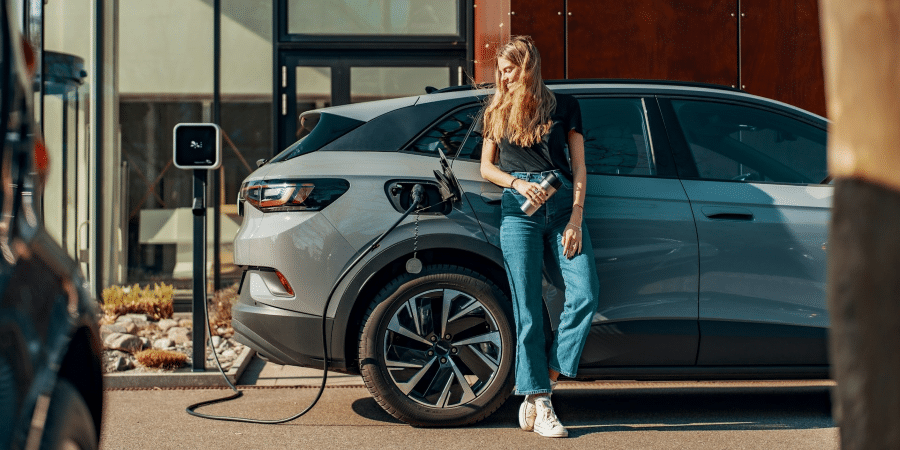
For years, the move to electric vehicles, or EVs, seemed like a fast race with a clear finish line. However, as 2026 begins, the path is looking a bit more complicated. While many people still want to switch to electric, the industry is facing a mix of record-breaking growth in some parts of the world and a sudden slowdown in others.
The Global Split: Growth and Speed Bumps
If someone looks at the numbers, the EV market seems to be doing great. Experts predict that around 17.4 million electric cars will be sold worldwide this year. That is a 19% increase compared to last year. Most of this growth is coming from China, where electric cars now make up more than half of all new vehicle sales.
In contrast, the United States is seeing a bit of a plateau. The big rush of early adopters, people who love new tech and buy it first, has started to fade. In late 2025, many federal tax credits for electric cars ended, making the vehicles more expensive for average buyers. This change has led some American car companies to rethink their plans.
General Motors and Ford have adjusted their production speeds, waiting for more people to feel ready to make the switch. In Europe, the situation is somewhere in the middle. Sales are growing, but buyers are becoming much more sensitive to price. They want electric cars, but only if the cost makes sense compared to a traditional gas car.
The Push for Affordability
For a long time, the biggest problem with electric cars was the price tag. They were often seen as luxury items for wealthy people. As 2026 unfolds, that is starting to change. Battery prices are falling toward $80 per kilowatt-hour, a price point that experts say is the “magic number.” At this level, it becomes possible for car companies to build electric cars that cost the same as gas cars.
Ford CEO Jim Farley recently pointed out that the future of the market is not in expensive trucks or luxury SUVs. He mentioned that the real focus now is on “affordable commuter vehicles.” Farley explained that the market for expensive EVs just hasn’t grown as big as people expected. To fix this, Ford is working on a new platform to build electric cars that almost anyone can afford. The goal is to create vehicles that compete on price with the best gas-powered cars.
This shift toward cheaper cars is vital. In the U.S., mid-sized electric cars are expected to reach price parity, meaning they cost the same as gas cars, at some point this year. Once a buyer can get an electric car for $30,000 instead of $50,000, the decision to switch becomes much easier.
A Difference in Strategy
Not every car company is moving at the same speed. There is a visible split between companies trying to reach everyone and those sticking to luxury. For example, Lamborghini CEO Stephan Winkelmann recently made waves by calling full-EV development an “expensive hobby” if the market is not ready. He decided to cancel a major electric supercar project because the buyers just weren’t interested yet. Instead, he believes that “plug-in hybrids offer the best of both worlds” by combining electric power with the feel of a traditional engine.
On the other side of the coin, companies like Tesla and BYD continue to push for high volume. Tesla is working to make its cars even lighter and more efficient to keep costs down. Meanwhile, Chinese brands are expanding into new countries, offering low prices that are hard for local companies to beat. This competition is forcing every automaker to look at their spending. They can no longer afford to build electric cars that lose money on every sale.
The Charging Problem
Even if the cars become cheap, there is still the problem of where to plug them in. This is known as “range anxiety,” the fear that a car will run out of power before finding a charger. While home charging is easy for people with garages, public charging is still lagging behind.
The growth of charging stations is not happening as fast as the growth of car sales. This gap is especially noticeable for people who live in apartments or like to take long road trips. Because of this, many buyers are choosing hybrids. These cars use both a battery and a gas engine, acting as a bridge for people who aren’t quite ready to go 100% electric.
Industry analysts suggest that hybrids are becoming the “backbone” of the transition. They give people the benefits of electric driving for short trips without the fear of getting stranded on a highway.
As the auto industry navigates through 2026, the question is no longer “if” cars will become electric, but “how fast.” The transition is turning into a marathon rather than a sprint. Success now depends on making cars that the average person can afford and building a charging network that works as well as a gas station.
The next few months will show if the new, cheaper models can win over skeptical buyers. If battery prices keep falling and charging stations become more common, the industry may finally get “all charged up.” For now, it is a period of careful planning and steady progress.