

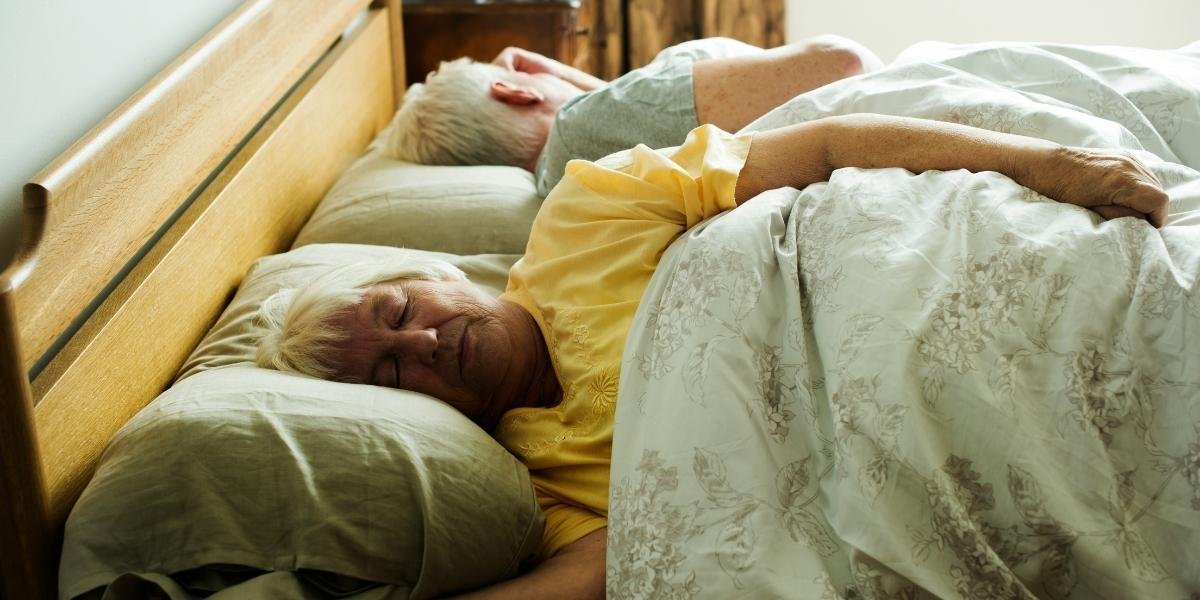
What Sleep Apnea Is
Sleep apnea is a condition where breathing repeatedly stops and starts during sleep. These pauses can last for several seconds and may occur dozens of times in a single night. The most common type is obstructive sleep apnea, which happens when throat muscles relax and block the airway. Central sleep apnea, though less common, occurs when the brain doesn’t send proper signals to the muscles that control breathing.
For many people, the condition goes unnoticed because the interruptions happen while they are asleep. Often, a partner may notice loud snoring, gasping, or choking sounds during the night. These episodes prevent the body from reaching deeper stages of sleep, which are essential for rest and recovery.
Understanding the condition is important because untreated sleep apnea can affect more than just sleep quality. It can influence overall health, energy levels, and daily functioning.
How Sleep Apnea Affects Rest
When breathing stops, oxygen levels in the blood drop. The brain responds by briefly waking the person to restart breathing. These awakenings are usually so short that the sleeper doesn’t remember them, but they fragment the night’s rest.
This constant disruption prevents the body from spending enough time in restorative sleep stages. Deep sleep and rapid eye movement (REM) sleep are critical for memory, learning, and physical repair. Without them, people may wake up feeling unrefreshed even after a full night in bed.
Daytime fatigue is one of the most common effects. People with untreated sleep apnea often report difficulty concentrating, slower reaction times, and a higher likelihood of falling asleep during routine activities.
Broader Health Implications
Sleep apnea is linked to several health concerns. According to the National Sleep Foundation, the condition increases the risk of high blood pressure, heart disease, and stroke. Repeated drops in oxygen strain the cardiovascular system, making it harder for the heart to function efficiently.
Metabolic health can also be affected. Research from Sleep Advisor notes that sleep apnea is associated with insulin resistance, which can contribute to type 2 diabetes. Weight gain and obesity are both risk factors and consequences of the condition, creating a cycle that can be difficult to break.
Mental health is another area of concern. Poor sleep quality is connected to mood changes, irritability, and symptoms of depression. Addressing sleep apnea can therefore improve both physical and emotional wellbeing.
Signs and Risk Factors
Common signs of sleep apnea include loud snoring, gasping during sleep, morning headaches, and excessive daytime sleepiness. While not everyone who snores has sleep apnea, persistent and loud snoring is often a warning sign.
Risk factors include being overweight, having a thick neck circumference, or structural issues such as a narrow airway. Men are more likely to develop sleep apnea than women, though the risk for women increases after menopause. Age is also a factor, with middle-aged and older adults more commonly affected.
Family history and certain medical conditions, such as nasal congestion or chronic sinus problems, can also increase the likelihood of developing the condition. Recognizing these factors helps individuals understand their risk and seek appropriate evaluation.
Approaches to Management
Treatment for sleep apnea varies depending on severity. Continuous positive airway pressure (CPAP) machines are commonly prescribed. These devices deliver steady air through a mask, keeping the airway open during sleep. While some find them challenging to use, CPAP therapy is highly effective when used consistently.
Other options include oral appliances designed to reposition the jaw and tongue, making it easier to breathe. In some cases, surgery may be recommended to remove tissue or correct structural issues in the airway.
Lifestyle changes also play a role. Weight management, avoiding alcohol before bedtime, and sleeping on one’s side instead of the back can reduce symptoms. These adjustments, combined with medical treatment, can significantly improve sleep quality.
Why Awareness Matters
Sleep apnea often goes undiagnosed because its symptoms occur during sleep. Many people may attribute their fatigue to stress or poor habits rather than a medical condition. Raising awareness helps individuals recognize the signs and seek professional evaluation.
Early diagnosis and treatment can prevent complications and improve quality of life. Better sleep supports concentration, mood, and physical health, making it easier to manage daily responsibilities.
For families, awareness also matters. Partners who share a bed often notice the signs first, and their observations can be the key to identifying the condition. Recognizing the importance of these early warnings can lead to timely care.