

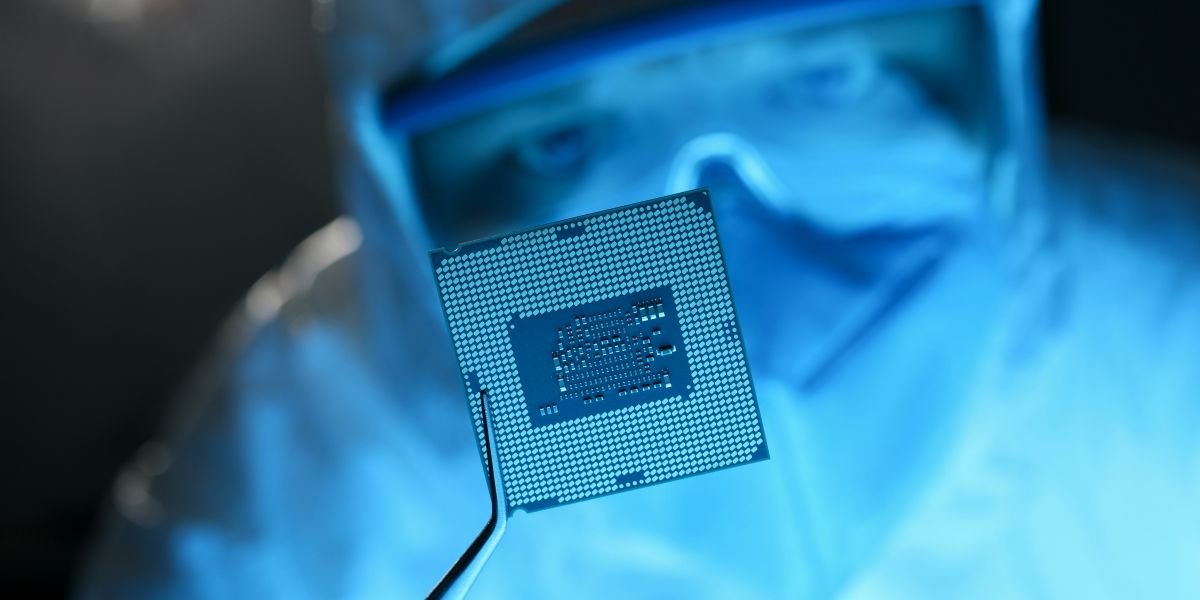
Taiwan and the United States are moving closer to a trade agreement that could reduce tariffs on Taiwanese exports from 20% to 15%, a shift that would strengthen cooperation in the global semiconductor industry and deepen strategic ties between Washington and Taipei.
The talks come at a critical moment for global technology supply chains, as governments and corporations alike seek greater resilience in the production of advanced chips — essential components for artificial intelligence, defense systems, electric vehicles, and next-generation electronics.
Taiwanese officials have indicated that negotiations are advancing steadily, with semiconductors at the center of the discussions.
“We are optimistic about continued progress in our trade dialogue with the United States, particularly in areas related to high-tech and supply-chain cooperation,” Taiwan’s economy ministry has said in public statements outlining its trade priorities.
Tariff Relief With Global Implications
A reduction in tariffs would ease costs for Taiwanese exporters and potentially improve price stability across U.S. technology markets that rely heavily on Taiwanese chips. Taiwan is home to the world’s most advanced semiconductor manufacturing ecosystem, led by firms whose production capacity remains unmatched in cutting-edge logic chips.
U.S. officials have repeatedly framed semiconductor access as a strategic concern rather than a purely commercial one.
“Semiconductors are essential to our economic security and our national security,” U.S. Trade Representative Katherine Tai has said in remarks on Indo-Pacific economic cooperation, emphasizing the need to work closely with trusted partners.
Trade analysts note that even modest tariff adjustments can have outsized effects in an industry defined by multibillion-dollar capital investments and long planning horizons.
Supply-Chain Resilience at the Core
The negotiations reflect a broader effort by the United States to reinforce supply chains among allies, particularly in sectors vulnerable to geopolitical disruption. Taiwan’s government has positioned itself as a stable and reliable partner amid growing global competition over chip manufacturing.
“Taiwan plays a critical role in maintaining stability in global semiconductor supply chains,” Taiwan’s Economy Minister Wang Mei-hua has said in public comments. “Strengthening cooperation with like-minded partners helps ensure trust and long-term resilience in these industries.”
For U.S. technology companies, improved trade terms could translate into greater certainty around sourcing and investment decisions — a key concern as demand for advanced chips accelerates.
Geopolitics Shadows the Talks
While the discussions are focused on trade, they unfold against a backdrop of heightened geopolitical tension. Taiwan’s central role in global semiconductor production has made it a focal point in broader strategic competition in the Asia-Pacific region.
U.S. officials have consistently linked trade engagement with Taiwan to a wider strategy of supporting secure, diversified supply chains.
“Our objective is to work with partners who share our values to build supply chains that are secure, resilient, and transparent,” senior U.S. administration officials have said in outlining Indo-Pacific economic policy.
Beijing has criticized closer U.S.–Taiwan economic ties, particularly those involving advanced technology, underscoring the political sensitivity surrounding semiconductor cooperation.
Market and Industry Impact
Investors and industry leaders are watching the talks closely. Semiconductor stocks are highly sensitive to policy signals, and any confirmation of tariff relief could influence capital allocation, long-term expansion plans, and cross-border investment flows.
Analysts say a deal would:
- Reinforce Taiwan’s role as a key U.S. technology partner
- Support long-term planning for semiconductor manufacturers
- Reduce uncertainty for downstream industries such as AI, automotive, and defense
As one industry analyst noted in public commentary, policy clarity is increasingly as important as pricing for companies operating in the semiconductor sector, given the scale and duration of investment cycles.
What Comes Next
Officials on both sides have stopped short of providing a final timeline, but signals suggest negotiations are entering a decisive phase. Any agreement is likely to be framed not just as a tariff adjustment, but as part of a broader strategic and technological partnership.
As global demand for advanced chips continues to grow, the outcome of the U.S.–Taiwan talks could shape the semiconductor landscape well beyond trade — influencing security, innovation, and economic alignment for years to come.
For now, the message from Taipei remains measured but confident: progress is real, stakes are high, and the global technology sector is paying close attention.