

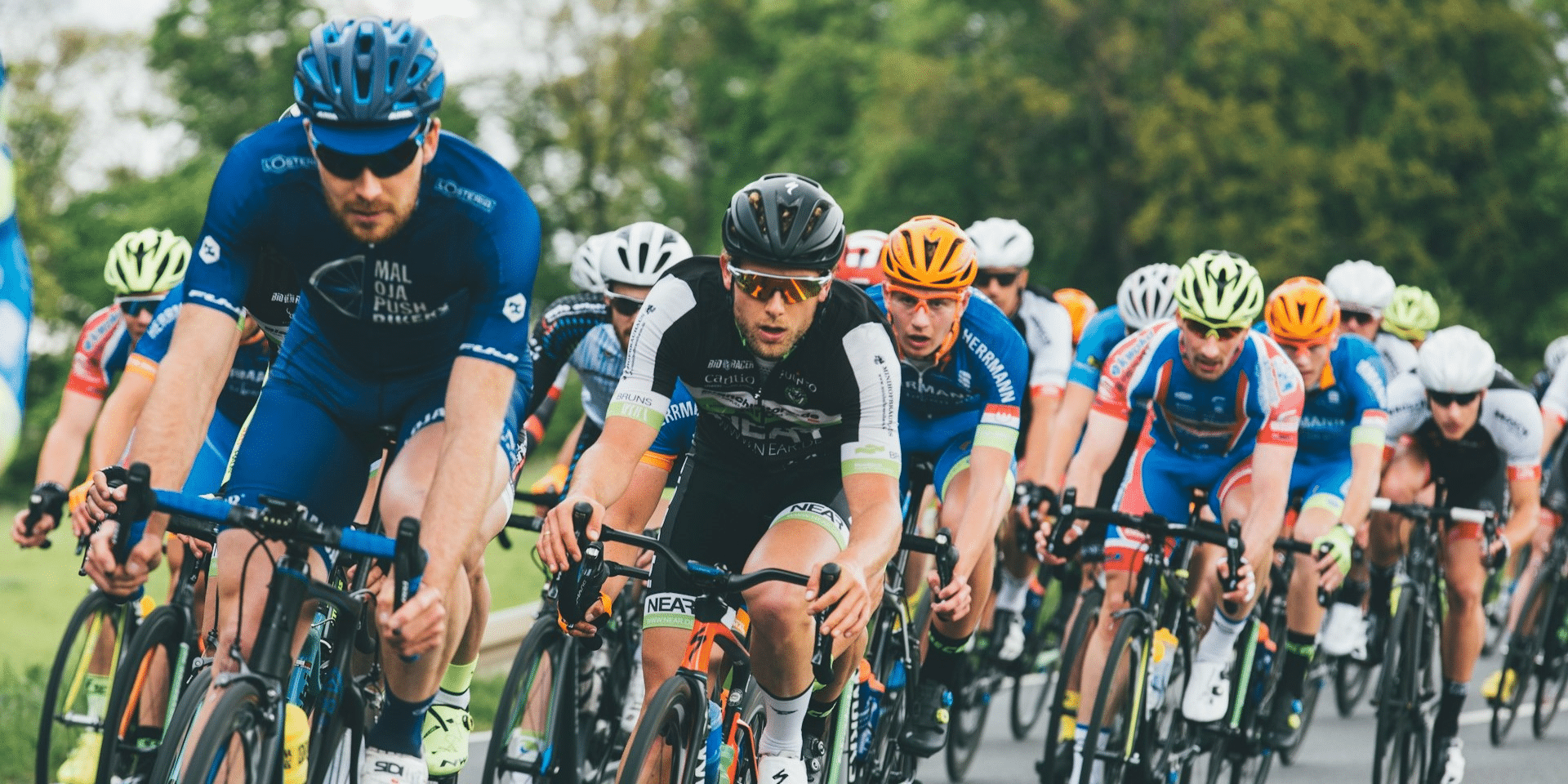
Competitive cycling stands out as one of the most demanding sports in the world, blending extraordinary physical exertion, relentless psychological pressure, complex strategic planning, and intricate logistical coordination. While the image of cyclists sprinting towards the finish or grinding up high mountain passes speaks of physical prowess, the real challenge lies in the seamless integration of mind, body, team dynamics, and equipment. This report aims to present a calm, reassuring, and neutral exploration of what makes competitive cycling so demanding. By drawing on a broad range of insights from sports scientists, professional cyclists, and coaches, we will unpack the many layers of preparation, execution, and recovery required to excel in different cycling disciplines—road, track, mountain, and time trial races. The evidence reveals that success is never based on talent or effort alone; rather, it comes through years of holistic, well-orchestrated commitment.
Physical Demands of Competitive Cycling
Competitive cycling is often described as a sport of endurance, but this only scratches the surface of its physical complexity. Cyclists must sustain high power outputs for prolonged periods, respond to constant changes in pace, and adapt to shifting race conditions. For example, in elite road racing, events can last from one to six hours, with Grand Tours extending over three weeks and covering thousands of kilometers.
Key Components of Physical Performance
Physiological success in cycling depends on multiple factors:
- Endurance and Stamina: The ability to maintain a steady effort across long distances is vital for all formats. In professional road cycling, riders may cover over 4 hours and ascend more than 2,000 meters in a single stage.
- Power Output: Peaks of functional and maximal power, measured through modern power meters, are essential for sprinting, climbing, and launching attacks. Typical top-level cyclists exhibit maximal oxygen uptake (VO₂ max) values above 70 ml/kg/min and can produce extraordinary watts-per-kilogram ratios in race-critical moments.
- Cycling Economy/Efficiency: Submaximal metabolic costs (how efficiently a rider converts energy into movement) affect overall performance, particularly in races that demand repeated acceleration and efficient energy use.
- Durability: Recent research has highlighted “durability”—the capacity to sustain high power and performance under growing fatigue—as a crucial differentiator among elite cyclists, beyond simply measuring VO₂ max or threshold power.
The summary table below compares these features across different cycling race formats:
| Format | Interaction Type | Environment | Key Demands | Strategy Focus |
|---|---|---|---|---|
| Road Race | Mass-start | Outdoor, varied | Endurance, climbing, sprinting | Team support, breakaways |
| Track Cycling | Mass-start & solo | Indoor, steady | Speed, power, tactics | Sprint timing, efficiency |
| Mountain Bike | Mass-start | Off-road | Technical skill, strength | Terrain adaptation, pacing |
| Time Trial | Solo | Outdoor, steady | Pacing, aerodynamics, power | Steady effort, equipment |
While endurance, power, and economy remain foundational, specificity sets each discipline apart. Track cycling calls for exceptional speed and strength in short events, while mountain biking emphasizes technical skill under fatigue and unpredictable surfaces. Conversely, time trials test an individual’s ability to manage sustained effort in an aerodynamic position, with minimal room for error.
Physical attributes like height, body weight, muscle composition, and flexibility further influence a cyclist’s suitability for different domains; small, light athletes often excel as climbers, while heavier, powerful riders find more success in flat, fast sprints.
Training Intensity and Periodization
Training for competitive cycling is not just about “riding more.” Instead, it involves sophisticated planning—called periodization—that balances workload, adaptation, and recovery across the season. Coaches and sports scientists have debated and refined these methods for decades, recognizing that the immense racing calendar, with its varied event types and frequency, demands an adaptable and individualized approach.
Periodization Models
The two most established training periodization strategies are:
- Traditional Periodization (TP): Year is split into blocks—off-season (base), pre-competition (build), racing, and transition (rest). Rides in the base period are kept long and low intensity for aerobic foundation. High-intensity intervals and race-specific efforts are added closer to race season.
- Block Periodization (BP): Rather than distributing high-intensity work evenly, this approach groups sessions with similar focus (e.g., several days of threshold efforts) in close succession, followed by periods of reduced intensity for recovery and adaptation. This can provoke significant physiological adaptations over shorter periods but carries greater risk of overtraining if not carefully monitored.
Intensity Distribution
Modern evidence, especially from research on successful Norwegian endurance athletes, strongly supports “polarized training”: about 80% of training at low intensity, 15-20% at high intensity, and little in the moderate “middle” zone. This results in better improvements in aerobic capacity, durability, and race-specific performance for most cyclists.
A pro cyclist may ride up to 28–31 hours per week during peak camp before a Grand Tour, with variation based on role (climber, sprinter, domestique) and race targets.
Individual Variation and New Trends
State-of-the-art coaching now builds programs around each rider’s needs, selected target events, and physiological/psychological readiness. Women’s teams also increasingly tailor plans around the menstrual cycle, addressing its impact on training performance and recovery. Additionally, cross-training—such as strength exercises or running—has become more accepted for promoting general health, bone density, and power, although there is ongoing debate about its direct effects on cycling performance.
Race Strategy and Tactics
Cycling races, especially at professional level, are not simple tests of strength; they are fluid, complex competitions where strategy is vital. Decision-making happens at every moment—navigating the peloton, initiating or responding to breakaways, managing energy expenditure, and reading opponents’ moves.
Core Tactical Principles
Riders and teams must weigh up many variables including terrain, weather, team objectives, and competitor skillsets:
- Drafting: Riding closely behind another cyclist (or within the peloton) dramatically reduces energy expenditure—up to 30% less than riding solo. Positioning to conserve energy is vital, particularly in road and track racing.
- Breakaways: Deciding when to attempt to leave the peloton for a solo or group attack requires mental calculation of opponents’ strengths, remaining course terrain, distance to the finish, and race situation. Success often depends more on timing and collaboration than on pure power.
- Teamwork and Lead-Outs: Top-level cycling is built on team strategies. Domestiques protect team leaders, fetch food and water, and chase down attacks. Well-drilled “lead-out trains” set up sprinters in the final kilometers.
- Energy Conservation: Riders must learn when to expend effort—covering key moves, bridging to important breakaways—versus when to “sit in” and save energy for decisive moments.
- Mental Calculation: Every action in the race is grounded in monitoring effort levels (using perceived exertion, power meters, or heart rate monitors), reading other riders, and managing the risk of over-extending before crucial race phases.
Learning and mastering cycling tactics takes years of practice, continual self-reflection, and input from coaches and more experienced teammates. Tactics also vary greatly by race format, as discussed below.
Psychological Challenges in Cycling
While the physical challenge of cycling is clear, the sport’s psychological demand is often greater. Endurance, pain tolerance, and strategic focus require considerable mental training and resilience.
Specific Psychological Stresses
- Pressure to Perform: Whether for personal ambition, team goals, contract renewal, or sponsor obligations, cyclists operate in a “permanent performance culture.” This pressure can lead to anxiety, self-doubt, and fear of failure.
- Isolation and Loneliness: Much of a pro cyclist’s life is spent alone on training rides, in hotel rooms during long tours, or as an introvert surrounded by large crowds at races and press events. Recent interviews with professionals like Tom Dumoulin and Mark Cavendish have highlighted the heavy toll of burnout and depression in the peloton.
- Injury and Setback: Crashes, illness, and being sidelined can be traumatic and lead to questioning self-identity, especially when recovery is slow or uncertain. Concussion and overtraining also contribute to long-term mental health risk.
- Travel Fatigue: Grand Tours and international races require athletes to be away from home for weeks at a time, with little privacy or consistency. This can heighten stress and impact emotional well-being.
Coping Strategies
Professional cyclists use a toolkit of psychological approaches, often developed in partnership with sports psychologists:
- Visualization: Mental rehearsal of the course, competition, and solutions to foreseeable problems boosts confidence and calm.
- Self-Talk: Positive affirmations like “pain is temporary” anchor focus during hard moments.
- Routine: Pre-race rituals (from warm-up to music playlists to small personal habits) provide comfort and help manage nerves.
- Goal Setting: Breaking long races into manageable chunks, setting mini-objectives, and tracking progress help riders maintain focus and motivation.
- Social Support: Strong team dynamics, open communication with staff, and a supportive network of family and friends are crucial for psychological resilience.
Yet, the stigma around seeking help still exists. Culture is slowly changing, with more teams employing psychologists and the governing UCI now recommending routine mental health screenings. Awareness remains vital as research shows up to 27% of professional cyclists face depression at some point, and high-volume training mixed with pain increases the risk dramatically.
Recovery Techniques and Nutrition
Recovery is not an afterthought; it is as critical as training itself to make performance gains and prevent burnout or overtraining.
Recovery Strategies
Top cyclists use many methods to optimize recovery:
- Active Recovery: Easy rides (at 50-60% max heart rate) help flush metabolic waste and maintain circulation between hard sessions.
- Sleep: Most riders aim for 8–9 hours per night, adding daytime naps whenever possible, especially during multi-day stage races. Sleep deficits impair hormonal balance, energy restoration, and repair processes.
- Massage and Stretching: Daily stretching, foam rolling, and massage therapy reduce muscle soreness and maintain flexibility. Massage therapists are standard staff on professional teams.
- Post-Ride Nutrition: Quick restoration of glycogen stores is crucial. Pros often consume recovery shakes rich in carbohydrates and modest protein immediately after races. The target is 1.2g carbohydrate per kilogram of body weight within the first hour, then balanced meals throughout the evening.
- Hydration: Sodium and fluid replacement happens both during and after races to correct losses from sweat. Even mild dehydration impairs power output and focus.
- Advanced Protocols: Some athletes also integrate new ideas like ketone supplementation and compression garments, but their benefits for recovery and performance are still debated.
- Psychological Rest: Taking time to relax, disconnect, and focus on non-cycling activities is safeguarded by many as essential to long-term health and performance.
Nutrition for Performance and Recovery
Meal planning for cyclists is highly deliberate, emphasizing:
- Carbohydrate Dominance: Complex and simple carbs form the bulk of pre-race and post-race nutrition to maximize glycogen storage. Target intake during races is up to 90–120g of carbs per hour for demanding multi-stage events.
- Protein for Repair: Athletes require higher protein than the general population, ideally 1.5–2g per kg of body weight, spaced throughout the day in 20–30g doses.
- Fat and Micronutrients: Healthy fats and antioxidant-rich fruits and vegetables support hormone production and immune health, protecting against illness during long seasons.
- Timing: The so-called “rapid phase” immediately post-ride is critical for refueling. Delays in eating can impair next-day performance.
Equipment Management in Racing
Competitive cycling depends on more than just strong legs and lungs—it demands meticulous selection, tuning, and maintenance of equipment, with entire professional teams dedicated to keeping riders’ gear at its peak.
Bicycles and Components
Modern bikes are wonders of engineering, built from lightweight carbon fiber, with advanced gearing, powerful brakes, aerodynamic designs, and intricate data sensors. For pros, bike fit is precisely measured and customized for both comfort and maximum power. Wheels and tires are chosen according to race surface, weather, and course profile. For time trials, specialized aerodynamic bikes and components are essential, while mountain bikes are equipped for technical resilience and grip.
The Mechanic’s Role
Team mechanics are responsible for:
- Daily inspection, adjustment, and cleaning of bikes.
- Quick repairs and replacements during training and racing.
- Transporting and assembling bikes and spare parts at each event.
- Staying updated on regulations and the latest technologies (such as disc brakes, electronic shifting, and tubeless tires).
Meticulous attention is required to reduce the risk of mechanical failure, which can crush an athlete’s hopes in an instant.
Race-Day Equipment Choices
Specific races require different technical setups: tire choice and pressure for grip in mountain or wet conditions; gear ratios for steep climbs or flat hammering; and spare wheels or bikes ready for immediate swap-outs in case of crashes or punctures. Even clothing—skin suits, helmets, and shoes—are selected for fit, aerodynamics, and comfort.
Logistical Planning for Cycling Events
The logistical demands of cycling extend far beyond the racers themselves, encompassing months of preparation by teams, organizers, and sponsors.
Team Logistics
Teams must coordinate:
- Travel and accommodation for riders and staff, often in several countries over a racing season;
- On-site setup at race starts and finishes, including support vehicles, food, and rest areas;
- Equipment and spare part transportation, tracked with detailed inventory software;
- Meal planning, ensuring dietary consistency across different venues;
- Medical and technical support.
Race planning software and apps now help manage detailed itineraries, assignments, and even real-time tracking of fleet vehicles and inventory.
Event Organization
For race organizers:
- Selecting safe, spectator-friendly courses and acquiring necessary permits are foundational.
- Coordinating with local authorities, emergency services, and volunteer networks for safety and smooth running.
- Managing participant entries, timing systems, and crowd control.
- Providing food, water, and technical support stations across the course.
For iconic events, the scale of logistics rivals any major sporting league, with hundreds of staff involved—from route design to post-event cleanup—and a strong focus on environmental sustainability and legacy.
Perspectives from Sports Scientists, Cyclists, and Coaches
The complexity of cycling performance has increasingly led sports scientists to call for integrated, interdisciplinary research methods. No single variable—be it VO₂ max, power output, or psychological test result—fully explains success.
Professional cyclists emphasize that adaptability, consistency, and mental resilience often make the difference, with early exposure to high-level competition and deep tactical experience outweighing pure numbers alone.
Coaches now blend objective data with subjective observation—tracking workloads, but also monitoring for signs of fatigue, distress, or overtraining, and collaborating closely with nutritionists, sport psychologists, and medical staff to keep athletes healthy and motivated.
Race Format Comparisons: Preparation and Performance
The following table summarizes how the four main competition formats influence preparation and performance:
| Race Format | Environment | Typical Duration | Key Physical Demands | Preparation Focus | Unique Challenges |
|---|---|---|---|---|---|
| Road Race | Open road, varied | 2–6 hrs (1–21 days) | Endurance, tactics, climbing, sprints | Volume, tactics, recovery, team roles | Weather, crashes, group dynamics |
| Track Cycling | Indoor velodrome | Seconds to minutes | Explosive power, speed, tactics | High-intensity, gym work, technique | Accelerations, technical skills |
| Mountain Bike | Off-road, technical | 1–3 hrs | Strength, handling, endurance | Technical drills, power, recovery | Terrain, weather, equipment failure |
| Time Trial | Road, single effort | 30–90 min | Sustained power, aerodynamics | Pacing, position training, mental focus | Loneliness, pacing, weather |
- Road Racing sees athletes preparing for long durations, variable terrain, ever-changing tactics, and unpredictable weather. Preparation prioritizes both aerobic capacity and group tactics, with real-time adaptation a must.
- Track Cycling focuses on short-distance explosive efforts, with a premium on strength training, high cadence, and tactical awareness in the pack. Aerodynamics and technical skills are crucial.
- Mountain Biking requires unique blends of cardiovascular fitness, strength (especially upper body and core), technical bike handling, and resilience. Training incorporates repeated intervals, trail skills, equipment checks, and mental focus for handling sudden adversity.
- Time Trials center on sustained power output in an aero tuck, with every second counting. Training is meticulous, with pacing drills, detailed attention to equipment, and strategies to stay mentally strong against monotony and discomfort.
The challenges of competitive cycling reach far beyond riding fast or far. Elite cyclists must endure punishing physical workloads, maintain mental composure amidst continual hardship, master complex race tactics, and adapt to ever-changing logistical scenarios.
Training plans are periodized to foster adaptation without overuse. Psychological interventions help riders weather the highs and lows of the professional circuit, and support staff manage everything from nutrition to mechanical troubleshooting. Each racing discipline imposes its own unique blend of demands—requiring not just fitness, but resilience, preparation, and a team that works as one cohesive unit.
Yet, for all its complexity, cycling remains a profoundly rewarding pursuit—one where each challenge, met with commitment and support, brings both personal achievement and community camaraderie. For aspiring competitors or fans, understanding these layers enriches both participation and appreciation for what truly unfolds on two wheels.