
What Is The Haka And Where Did It Begin?
The haka began as a deeply rooted Māori cultural practice in Aotearoa New Zealand, long before it became familiar to global audiences through sports, film, or viral videos. Traditionally, the haka was not a single dance but a category of posture dances used for multiple purposes, including preparation for battle, ceremonial welcomes, storytelling, and expressions of grief or celebration. While Western narratives often frame the haka narrowly as a war dance, that interpretation only captures part of its meaning.
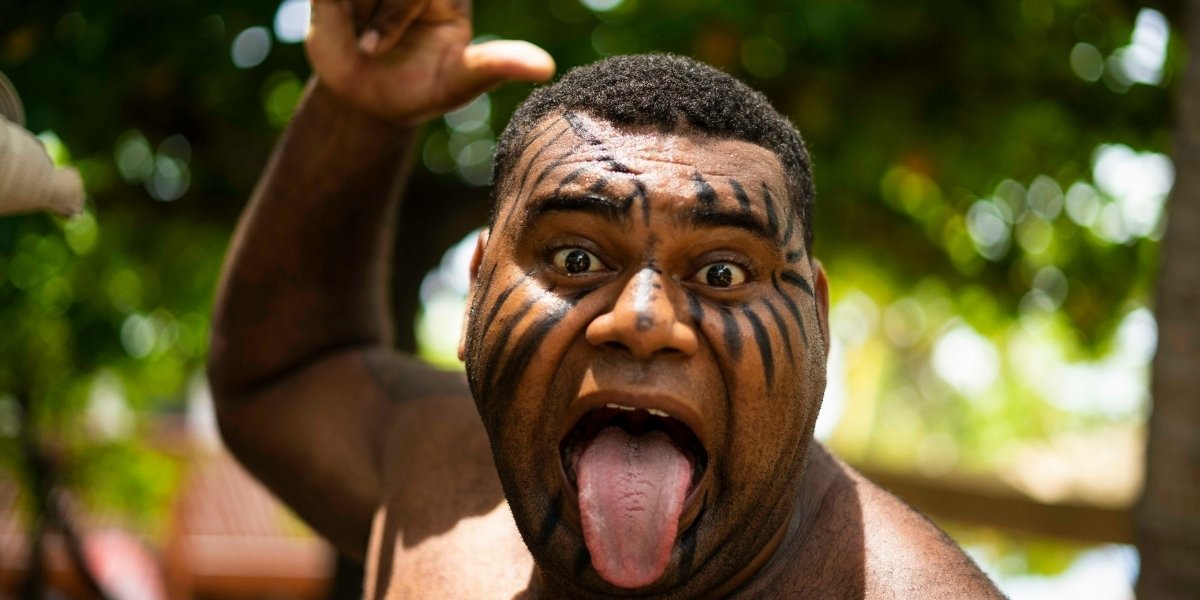
In its earliest forms, the haka functioned as a collective assertion of identity and readiness. Warriors performed it to intimidate opponents, unify their group, and summon physical and spiritual strength. Movements were sharp and deliberate, with stomping feet, forceful slaps, and intense facial expressions designed to project power and resolve. Words chanted during the haka carried ancestral references, tribal histories, and invocations of protection, making the performance as much spiritual as physical.
Understanding the haka’s origins requires recognizing that it emerged from a worldview where land, ancestry, and community were inseparable. Each iwi, or tribe, developed its own haka, shaped by local histories and values. This diversity is often overlooked in modern portrayals, but it remains central to the haka’s cultural weight.
How Did The Haka Function In Māori Society?
Within traditional Māori society, the haka served as a living language. It communicated messages when written records were rare, embedding history and values into performance. Haka were used to welcome important visitors, mark significant events, and reinforce social bonds. In these contexts, the haka was not aggressive but relational, affirming respect, hospitality, and shared identity.
The physical intensity of the haka also played a practical role. Before battle, it prepared warriors mentally and physically, synchronizing breath, movement, and focus. The performance created emotional alignment, transforming individual fear into collective strength. This psychological dimension helps explain why the haka endured even as Māori society faced immense disruption through colonization.
During the nineteenth and early twentieth centuries, many Māori cultural practices were suppressed or discouraged by colonial authorities. The haka survived in part because it adapted. It continued to be performed at gatherings, schools, and community events, preserving language and tradition during periods when other forms of cultural expression were restricted. In this sense, the haka became an act of quiet resistance as much as a celebration.
When Did The Haka Enter Global Awareness?
The haka’s global visibility expanded significantly in the twentieth century, particularly through sport. New Zealand rugby teams, most famously the All Blacks, began performing the haka before international matches, transforming a cultural practice into a powerful pre-game ritual seen by millions. For many outside New Zealand, this became their first exposure to Māori culture.
This visibility came with tension. While the haka captivated audiences, it was often stripped of context, framed as spectacle rather than heritage. Some critics questioned whether its use in professional sports diluted its meaning. Others argued that the global stage offered an opportunity to assert Māori presence and pride in spaces historically dominated by colonial narratives.
Over time, the haka’s appearance in films, documentaries, and international ceremonies further expanded its reach. Performances at state events, memorials, and global competitions reframed the haka as a symbol of unity and respect, not just confrontation. These moments contributed to a shift in how the haka was perceived, from an exotic curiosity to a serious cultural expression with emotional depth.
How Has The Haka Evolved In Modern Times?
In contemporary Māori communities, the haka continues to evolve while remaining anchored in tradition. New haka are composed to address modern experiences, including political movements, social justice issues, and collective mourning after national tragedies. These performances demonstrate that the haka is not frozen in the past but remains a living form of expression.
Education has played a major role in this evolution. Māori language revitalization programs and school curricula have reintroduced haka to younger generations, ensuring continuity. For many Māori youth, learning the haka is both a cultural inheritance and a source of confidence, reinforcing identity in a globalized world.
At the same time, debates around appropriation and misuse have intensified. Viral videos of haka performed outside cultural context have raised questions about respect and consent. Māori leaders and scholars have emphasized that while the haka can be shared, it should not be detached from its origins or performed without understanding its meaning. These conversations highlight the balance between global visibility and cultural integrity.
Why Has The Haka Become A Global Symbol Of Strength?
The haka resonates globally because it communicates something universal through a specific cultural lens. Its physicality, emotional intensity, and collective energy convey strength without translation. In a world where many cultural expressions are individualistic, the haka’s emphasis on unity and shared purpose stands out.
For Māori people, the haka’s global recognition represents both validation and responsibility. It affirms the resilience of a culture that endured colonization and marginalization, while also demanding careful stewardship of its symbols. The haka’s power lies not just in how it looks, but in what it represents: survival, continuity, and pride.
International audiences often interpret the haka as a display of aggression, but its deeper message is presence. It declares who the performers are, where they come from, and whose ancestors stand behind them. That clarity of identity is what transforms the haka from a historical practice into a modern emblem of strength.
As the haka continues to appear on global stages, its meaning remains rooted in Māori values. Its journey from war dance to worldwide symbol reflects a broader story of cultural endurance. Rather than losing significance through exposure, the haka has gained layers, carrying the voices of past generations into the present while asserting Māori strength on a global scale.