

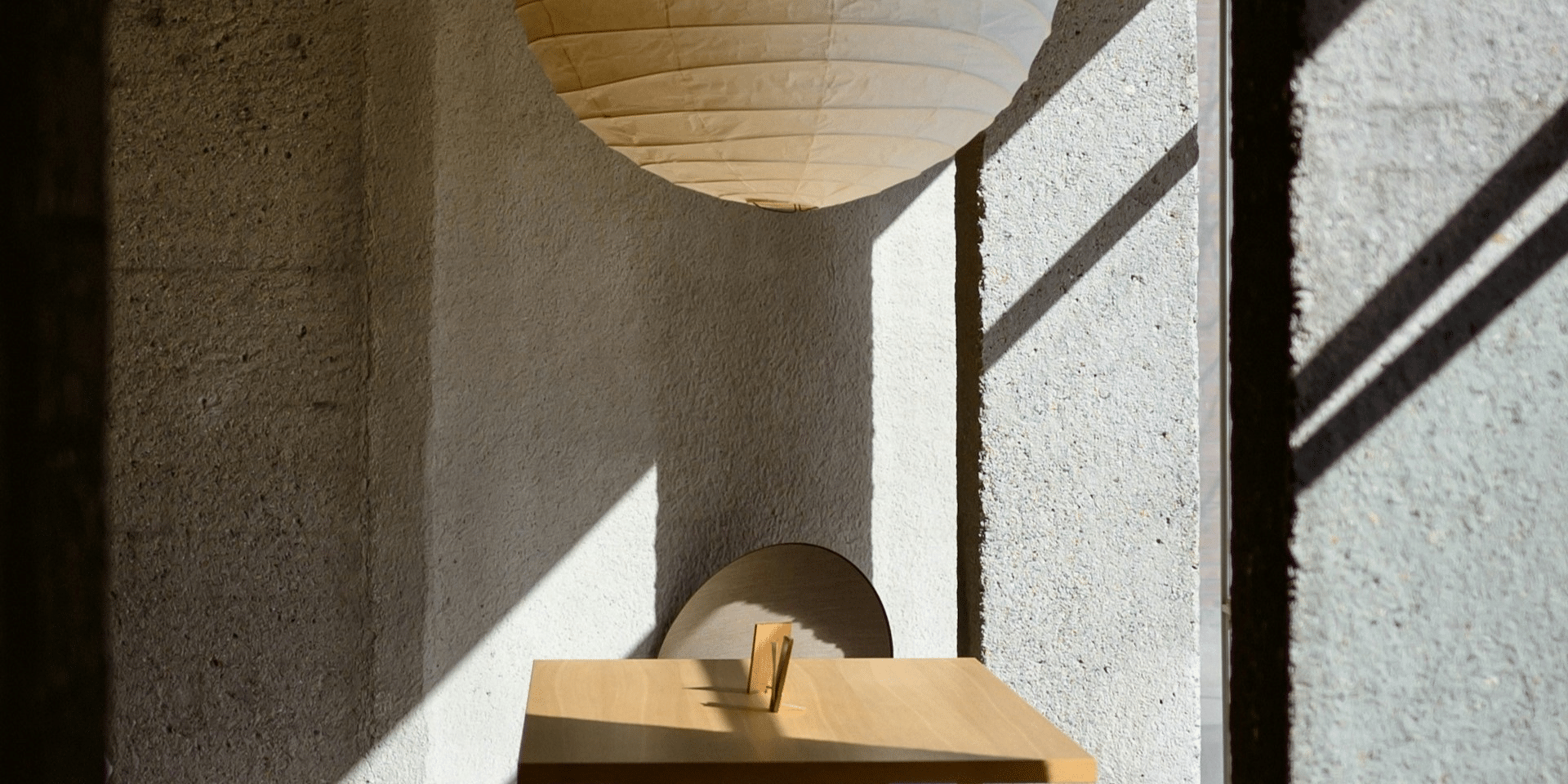
Why Office Location Influences Productivity
The choice of office location affects more than convenience or prestige. It shapes how employees experience their workday, influencing morale, energy, and efficiency. According to the Harvard Business Review, natural light consistently ranks as the most desired workplace feature, surpassing amenities like fitness centers or childcare. This finding highlights how location and design directly affect employee well-being and productivity.
An office situated in a dense urban center may limit access to daylight, relying heavily on artificial lighting. In contrast, offices with open surroundings or large windows often provide more natural light, which can improve focus and reduce fatigue. These differences show why location is not just a logistical decision but also a factor in employee performance.
When businesses evaluate office space, they often prioritize cost and accessibility. Yet, the physical environment, including sunlight exposure, plays an equally important role in shaping productivity. A well-chosen location balances these considerations to create a healthier and more effective workplace.
The Science Behind Sunlight and Productivity
Natural light affects the body in measurable ways. Exposure to daylight helps regulate circadian rhythms, the internal clock that governs sleep and alertness. Employees who receive adequate sunlight during the day often sleep better at night, which improves concentration and decision-making during working hours.
Research highlighted by Improve Workspace shows that natural light boosts serotonin levels, which enhances mood and reduces stress. Employees in well-lit environments report higher satisfaction and are less likely to experience fatigue or eye strain.
By contrast, poorly lit offices can contribute to headaches, reduced energy, and lower engagement. Over time, these effects may increase absenteeism and reduce overall performance. This evidence underscores why sunlight is more than an aesthetic feature—it is a driver of workplace health and productivity.
Balancing Benefits and Challenges of Sunlight
While natural light is beneficial, too much direct sunlight can create challenges. Glare on computer screens, overheating, and uneven lighting are common issues in offices with excessive exposure. Forbes notes that lighting design is often overlooked, yet it is one of the most important factors in workplace performance.
The solution lies in balance. Adjustable blinds, tinted windows, and thoughtful desk placement can reduce glare while still allowing daylight to enter. Combining natural light with well-designed artificial lighting ensures consistent illumination throughout the day, regardless of weather conditions.
Employers who invest in flexible lighting solutions create environments that adapt to employee needs. This balance improves comfort and supports sustained productivity across different tasks and times of day.
Designing Workspaces for Well-Being
Office design determines how sunlight is distributed and experienced. Open layouts with shared access to windows prevent natural light from being limited to corner offices. Glass partitions, reflective surfaces, and lighter wall colors can help spread daylight more evenly across a space.
Break areas positioned near windows encourage employees to take restorative pauses in natural light, which can reduce stress and improve morale. Plants and natural materials also complement sunlight, creating a more calming and energizing environment.
By integrating these design elements, companies can create workplaces that feel both functional and welcoming. The result is a setting where employees are more likely to feel engaged, motivated, and supported.
Long-Term Benefits for Employers and Employees
Balancing sunlight in office spaces is not only about immediate comfort but also about long-term outcomes. Employees who work in well-lit environments often experience fewer health complaints, which reduces absenteeism and healthcare costs. Improved mood and energy also contribute to stronger collaboration and creativity.
For employers, these benefits translate into higher productivity and stronger retention. A workplace that prioritizes well-being signals to employees that their needs are valued, which can enhance loyalty and reduce turnover.
Ultimately, the right balance of sunlight in office design supports both individual performance and organizational success. By considering location, layout, and lighting, businesses can create environments that encourage healthier, more productive work.