

By: Elliot Harper
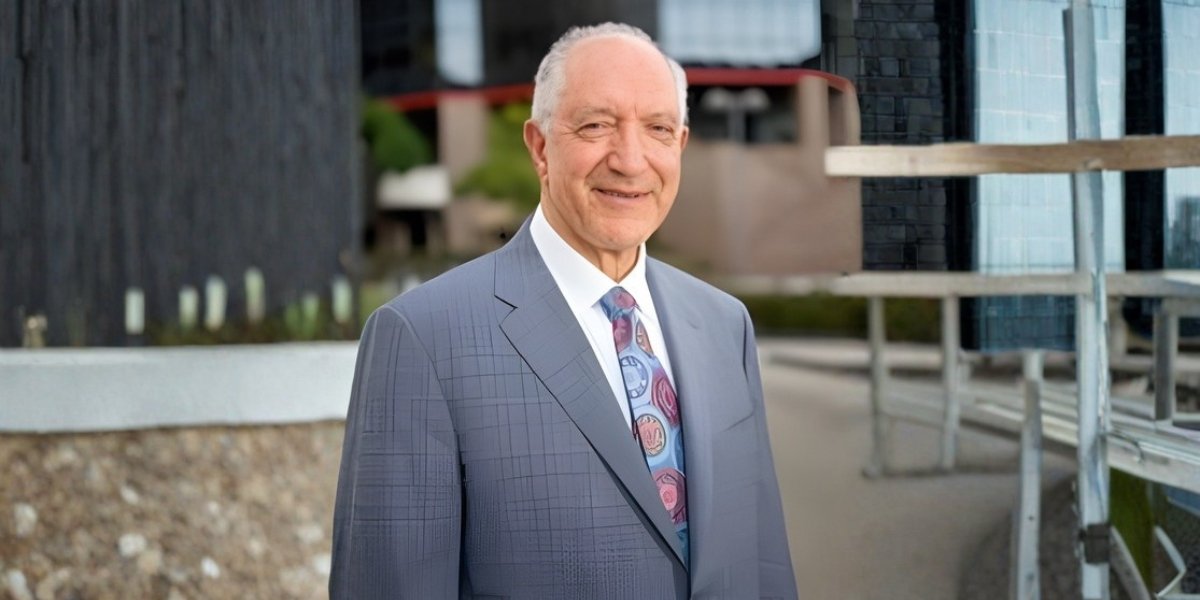
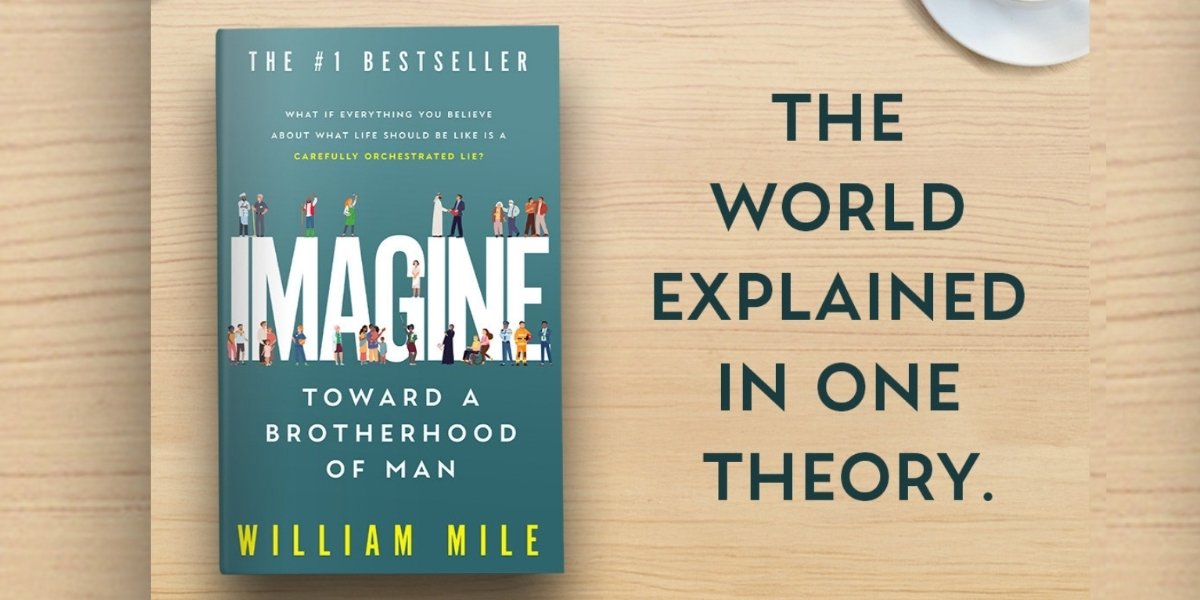
In a world that often feels fractured, William Mile offers a bold perspective on how humanity might move toward a more unified future. His book, Imagine: Toward a Brotherhood of Man, explores the hidden forces shaping human conflict and introduces the “8:2 theory,” a framework for understanding how people interact, lead, and influence the world around them.
“Everything around me inspires me,” William says. “I guess I’m kind of an intuitive problem solver, who seeks to help people around me. I don’t really know how this book got created at such a timely moment in human history when things seem so off.” For William, Imagine is both a personal exploration and a call to action—a way to make sense of the forces that push humanity toward both progress and chaos.
At the heart of the book are what William calls the “hidden forces.” These are the influences that drive the actions of what he terms the “Evil 2s”—people who act without regard for right or wrong, purely pursuing their own agendas. “They don’t concern themselves with race, gender, class, group, or category,” he explains. “As a group, the Evil 2s must be studied or at least observed for one’s protection.” Understanding these forces, William argues, is crucial to navigating the challenges of modern life and building stronger communities.
Balancing this, the book highlights the role of the “8s,” those who act with integrity, vision, and leadership. William points to historical moments where the most evolved 8s shaped outcomes, such as leaders who stood up to oppression during World War II. His “8:2 theory” frames human society in a way that encourages readers to identify these forces within themselves and their communities, emphasizing both awareness and action.
William’s perspective is deeply informed by his academic background and life experiences. He earned a bachelor’s degree in psychology and has spent decades exploring the interplay of mind, heart, and instinct. “Unity isn’t about everyone getting along,” he says. “It’s more about everyone doing their job, whatever it is, and occasionally taking a break to enjoy life. That’s how progress happens.”
Modern challenges, from social media to AI, are a central concern in Imagine. William warns that while technology can advance society, it can also erode fundamental human connection. “AI and robots are taking jobs, and people are relying on checks,” he explains. “We have a chance, maybe just a couple of years, to prevent a scenario where we lose our ability to work and lead as humans.” His argument isn’t about rejecting progress but about ensuring that humanity maintains its agency, creativity, and responsibility.
William also draws lessons from historical figures and contemporary activists who exemplify leadership and moral courage. Abraham Lincoln, for example, represents to him the kind of heroism that comes from making difficult decisions in the service of justice. Activists in daily life, those who show up consistently to make change, also provide a model for readers striving to act with purpose in their own communities.
Practical steps for readers are central to William’s approach. Education—across fields like business, science, art, and spirituality—is key to building resilience and preparing for the complexities of modern life. “Healthy, strong bodies and minds help us build resilience,” he says. This holistic preparation supports the vision of a “brotherhood of man,” where individuals and communities are better equipped to recognize harmful patterns and promote positive change.
Ultimately, Imagine is a call for courage and leadership. William encourages readers to trust their instincts while applying the book’s insights thoughtfully. “Go with your gut,” he advises. “After understanding the book’s message, trust yourself, and lead. The future, the kids, and the planet depend on your courage and leadership.”
For CEOs, entrepreneurs, and anyone navigating complex social or professional landscapes, William Mile’s Imagine: Toward a Brotherhood of Man offers more than philosophical reflection. It’s a framework for observation, insight, and action—guiding readers to recognize the forces around them, lead with integrity, and help shape a more unified world.
Learn more about William Mile and his work at williammile.com