

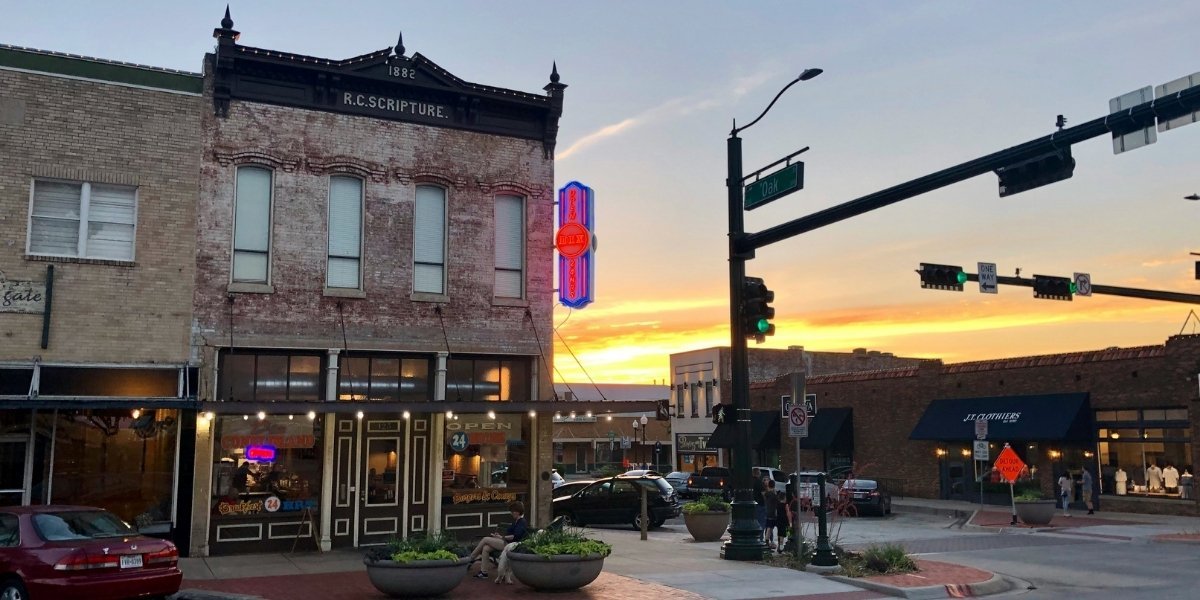
America’s most memorable travel experiences are not always found in major cities or famous resorts. Increasingly, travelers are turning their attention to small towns that offer character, history, and a slower pace of life. These places stand out not because they are polished for tourism, but because they remain rooted in everyday life. Their charm comes from continuity, local identity, and the feeling that time moves differently once you arrive.
Across the country, small towns are drawing visitors who want something quieter and more personal. They are places where streets are walkable, conversations feel unhurried, and the surroundings still reflect how people lived decades ago. This appeal has only grown as travelers look for meaningful escapes rather than packed itineraries.
What Makes A Small Town Truly Charming?
Charm in a small town is rarely manufactured. It develops through layers of history that remain visible in architecture, street layout, and community routines. Older downtowns with independent shops, locally owned restaurants, and preserved buildings create a sense of place that feels authentic rather than curated. Visitors notice when a town still functions for its residents first and guests second.
Equally important is scale. Small towns are human-sized. You can cross the main street in minutes, recognize familiar faces after a day or two, and feel oriented without a map. This simplicity lowers mental noise and makes even ordinary moments feel memorable. Charm emerges from that ease, not from spectacle.
Why Are Small Towns Becoming Popular Travel Destinations?
The growing interest in small-town travel reflects a broader cultural shift. Many people feel overstimulated by crowded destinations and constant digital demands. Small towns offer relief. They provide space to slow down without sacrificing comfort.
Another factor is the desire for connection. Travelers increasingly want to feel part of a place rather than just passing through it. Small towns naturally encourage this. Shop owners talk to customers. Cafés double as social hubs. Events feel communal instead of commercial. These interactions create experiences that linger long after the trip ends.
How Does History Shape The Appeal Of Small Towns?
History is not something you visit in many small towns. It is something you live inside. Buildings were not replaced every decade, and town centers still follow patterns established generations ago. Courthouses, train depots, harbors, and town squares often remain focal points rather than relics.
This visible continuity gives visitors a sense of grounding. You can see how geography, industry, and culture shaped daily life over time. Unlike larger cities, where layers of development obscure earlier eras, small towns often preserve them in plain sight. That transparency makes history feel accessible and human.
Why Does Geography Matter So Much In Small-Town Travel?
Geography plays a defining role in shaping small towns. Coastal communities develop different rhythms than mountain towns. River towns feel distinct from desert settlements. These differences influence everything from food traditions to daily schedules.
Travelers often feel this immediately. A town’s relationship to its surroundings affects how people move, gather, and work. This deep connection to landscape gives each town a clear identity. It also explains why small towns feel so different from one another, even when they share similar sizes or populations.
What Role Does Community Play In The Visitor Experience?
Community is not a slogan in most small towns. It is visible in how people interact and how spaces are used. Local festivals, farmers markets, and seasonal traditions often exist primarily for residents, yet visitors are welcomed into them naturally.
This creates a feeling of inclusion without performance. You are not treated as an audience member. You are simply present. That authenticity is increasingly rare and deeply appealing. It turns a short visit into an emotional experience rather than a transactional one.
Why Do Small Towns Leave A Lasting Impression?
What people remember about charming small towns is rarely a single attraction. It is the atmosphere. The quiet evenings. The sense that life is not rushed. The feeling of being temporarily untethered from urgency.
Small towns offer contrast. In doing so, they invite reflection. Visitors often leave not just refreshed, but reconsidering how they spend time and attention at home. That emotional residue is why these places feel worth returning to, and why they stay vivid in memory long after the trip ends.
Charming small towns in America are not defined by checklists or rankings. They are defined by presence, continuity, and human scale. Visiting them is less about seeing something new and more about remembering something familiar that modern life often obscures.