

What Is A Pop-Up Coffee Shop And Why Is It Growing?
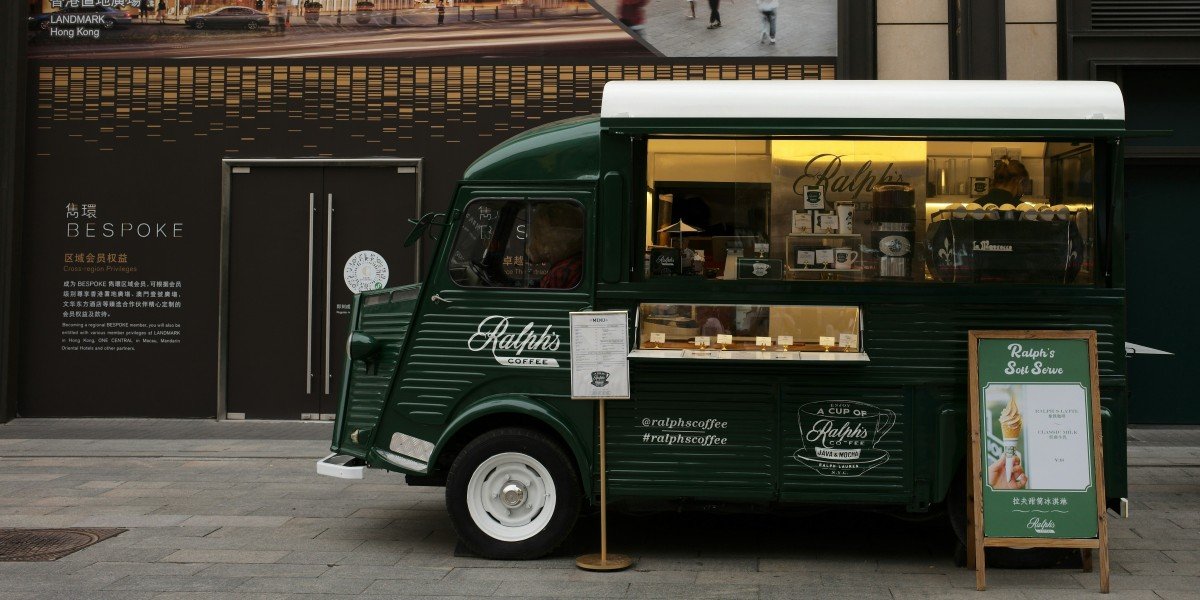
A pop-up coffee shop is a temporary café operation designed to operate for a limited time in nontraditional or short term spaces. These locations range from vacant storefronts and shipping containers to farmers markets, festivals, coworking spaces, and retail partnerships. Unlike traditional brick and mortar cafés, pop-up coffee shops are built around flexibility, speed, and experimentation rather than permanence.
The growth of pop-up coffee shops reflects broader shifts in consumer behavior and small business strategy. Rising commercial rents, unpredictable foot traffic, and changing work habits have made long term leases increasingly risky for independent operators. A pop-up model allows entrepreneurs to meet customers where they already are, without committing to fixed overhead that can sink a new business before it finds its audience.
At the same time, coffee culture has become more experiential. Customers are not just buying caffeine. They are buying atmosphere, story, and connection. Pop-ups tap into this desire by offering something that feels rare and intentional. The limited run creates urgency, while the informal setting often feels more personal than a traditional café.
How Do Pop-Up Coffee Shops Lower Business Risk?
One of the strongest advantages of a pop-up coffee shop is risk reduction. Traditional cafés require significant upfront investment, including build-outs, permits, long leases, and full staffing. A pop-up operation strips the model down to essentials. Equipment is often mobile, staffing is minimal, and leases are short or event based.
This lower barrier to entry allows operators to test ideas before scaling. Menu concepts, pricing, branding, and customer response can all be evaluated in real time. If something does not work, adjustments can be made quickly without long term financial consequences. This approach mirrors lean startup principles that are increasingly common across food and beverage businesses.
Pop-ups also offer flexibility in scheduling. Operators can choose peak hours, weekends, or specific events rather than committing to daily service. This makes the model especially appealing for baristas transitioning into ownership, roasters launching direct to consumer sales, or entrepreneurs balancing multiple income streams.
Why Brands And Property Owners Are Embracing Pop-Ups
Pop-up coffee shops are not only attractive to operators. Property owners and established brands have embraced them as well. Vacant retail spaces generate no revenue and can signal decline. Hosting a pop-up coffee shop activates the space, increases foot traffic, and improves neighborhood perception without long term commitment.
Retail brands increasingly partner with coffee pop-ups to enhance in-store experience. A temporary café inside a clothing store, gallery, or showroom encourages customers to linger, increasing dwell time and potential sales. For coffee operators, these partnerships provide access to built-in audiences that would be expensive to reach independently.
This symbiotic relationship has turned pop-ups into a marketing tool as much as a sales channel. The coffee shop becomes part of a broader brand ecosystem, while the host benefits from the cultural cachet and community energy that coffee culture brings.
How Social Media Fuels The Pop-Up Coffee Model
Social media plays a central role in the success of pop-up coffee shops. Because these businesses are temporary by design, digital platforms become the primary way to announce locations, hours, and special menus. Scarcity works in their favor. Limited availability encourages sharing, check-ins, and word of mouth promotion.
Visually distinctive setups perform especially well online. Handwritten menus, custom cups, minimalist carts, and carefully styled spaces turn pop-ups into content engines. Customers often become unpaid marketers, posting photos and tagging locations simply because the experience feels unique.
This digital visibility allows pop-up operators to build loyal followings without traditional advertising budgets. Over time, an audience can be mobilized across multiple locations, making future pop-ups more predictable and reducing dependence on walk-by traffic.
What Challenges Do Pop-Up Coffee Shops Face?
Despite their advantages, pop-up coffee shops are not without challenges. Permitting and health regulations can vary widely by city, creating uncertainty for operators moving between locations. Temporary does not always mean simple, especially when dealing with food safety, power access, and water requirements.
Revenue predictability is another challenge. Foot traffic can fluctuate dramatically depending on weather, event attendance, or competing attractions. Without a fixed location, building habitual daily customers is more difficult. Operators often rely on bursts of high traffic rather than steady flow.
There is also the risk of burnout. Constant setup, teardown, and relocation require physical and logistical stamina. For some operators, the flexibility that initially feels freeing can become exhausting over time, especially as demand grows.
Can Pop-Up Coffee Shops Become Long Term Businesses?
While many pop-up coffee shops are temporary by design, others use the model as a stepping stone toward permanence. Successful pop-ups often evolve into permanent cafés, roasting operations, or mobile fleets that rotate across multiple locations. The data gathered during pop-up phases informs smarter long term decisions.
Some operators choose to remain mobile indefinitely. By avoiding fixed locations, they preserve flexibility and adapt to seasonal demand. This approach works particularly well in cities with strong event cultures, tourism, or outdoor markets.
The key distinction is intention. Pop-ups succeed when they are treated as a deliberate business model rather than a stopgap. Clear branding, consistent quality, and thoughtful customer engagement determine whether a pop-up remains a novelty or becomes a sustainable operation.
Why Pop-Up Coffee Shops Reflect The Future Of Small Food Businesses
Pop-up coffee shops reflect broader changes in how small food businesses operate. Flexibility has become a competitive advantage. Consumers value authenticity and experience as much as product quality. Operators need models that can adapt quickly to economic shifts, real estate pressures, and changing lifestyles.
In this context, the pop-up coffee shop is less a trend than a response. It allows entrepreneurs to enter the market on their own terms, test ideas without overexposure, and build community organically. For customers, it offers moments of connection that feel local, intentional, and human.
As the food and beverage industry continues to evolve, pop-up coffee shops illustrate how constraint can drive creativity. By embracing temporary spaces and flexible structures, these businesses are brewing a version of success that prioritizes resilience over scale and connection over permanence.