
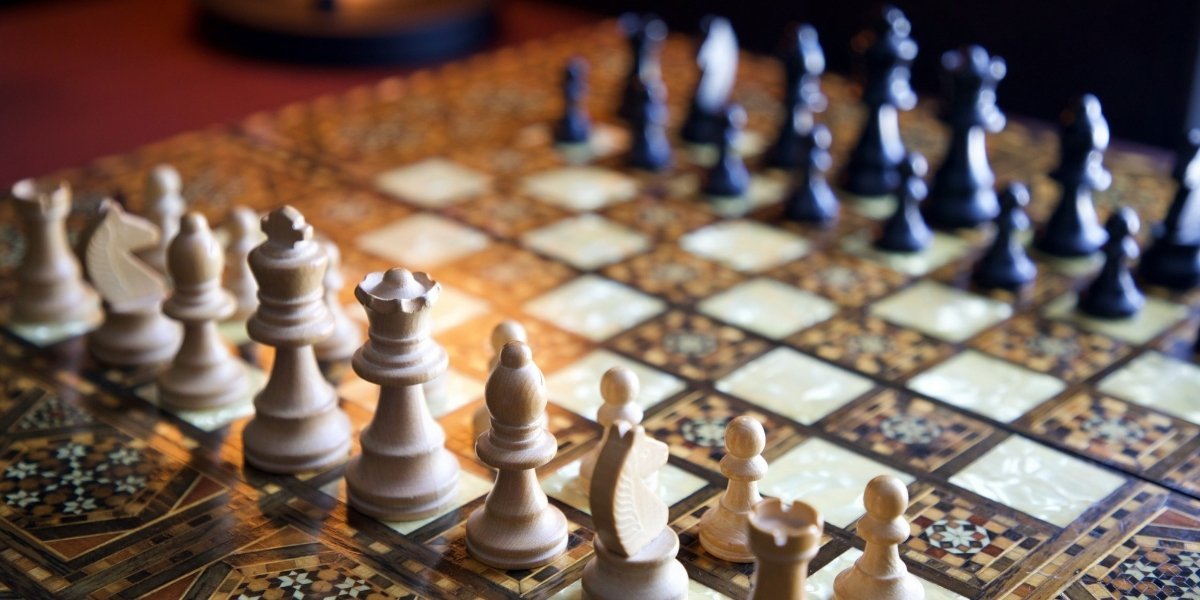
Chess is a game of infinite possibilities, and while many players are familiar with the basic rules, achieving a high level of skill requires a deeper understanding of the game’s core principles. The casual player might focus on individual moves, but a master views the board through the lens of a long-term plan. This is the difference between tactics and chess strategy. Tactics are short, forced sequences that lead to an immediate, tangible gain, such as winning a piece or checkmating the opponent. Strategy, on the other hand, is the overarching, long-term plan that a person develops to create a superior position, which in turn leads to tactical opportunities.
Read Also: Mobile Gaming: Interactive Fun in Your Hand
The journey to mastering chess involves moving beyond simply reacting to an opponent’s moves and beginning to think about the underlying concepts of the position. A strong game is built on a foundation of solid strategic principles that guide a player from the opening all the way to the endgame. This guide will delve into these principles, exploring how to develop a cohesive plan, how to recognize advanced tactical motifs, and how to approach the three distinct phases of a game. By understanding and applying these concepts, a person can elevate their game and begin to see the chess board not just as a collection of pieces, but as a battlefield of ideas.
What Are the Core Principles of a Strong Opening?
The opening phase of a chess game, typically the first ten to fifteen moves, is a crucial stage where a player lays the groundwork for their entire plan. While memorizing specific opening lines can be helpful, understanding the underlying principles is far more important for long-term improvement. The first and most vital principle is to fight for control of the center of the board. The squares in the middle, and those adjacent to them, are the most valuable because they give pieces the greatest mobility and influence. A player who controls the center can more easily move their pieces to either side of the board to launch an attack or defend against a threat.

The next fundamental principle is the rapid and logical development of pieces. This means bringing out knights and bishops from their starting squares and placing them on active squares where they can influence the game. A common mistake is to make too many pawn moves without developing pieces, which can allow an opponent to gain a significant advantage in development. The final principle is king safety. Castling early is a standard move that accomplishes two goals: it moves the king to a safer, more protected position and it brings one of the rooks into the game. Adhering to these principles is the first step in building a strong chess strategy that can endure through the later phases of the game.
How Does a Person Develop a Middle Game Strategy?
The middle game is the phase of the game that requires the most strategic thinking. Once the pieces are developed, a person must formulate a plan based on the unique characteristics of the position. A good chess strategy in the middle game revolves around identifying and exploiting weaknesses, both in the opponent’s position and in one’s own. This could mean targeting a weak pawn, controlling an open file with a rook, or creating an outpost for a knight. It is also a time to consider the overall pawn structure, which often dictates the nature of the game. A closed pawn structure, for example, might favor knights, while an open position might be better for bishops and queens.
Another key concept in middle-game strategy is prophylaxis, which is the act of preventing an opponent’s plans before they can become a threat. A strong player does not just focus on their own ideas; they constantly ask themselves, “What is my opponent trying to do?” and make moves to thwart those plans. This can involve maneuvering a piece to a defensive square or making a seemingly quiet pawn move to block a line of attack. This kind of thinking requires a deep understanding of the board and a constant awareness of the opponent’s intentions, but it is a cornerstone of advanced play.
What Are Some Advanced Chess Tactics?
While strategy is the long-term plan, tactics are the short, decisive sequences that often lead to a win. A strong player has a deep understanding of both, because the goal of strategy is to create a position where tactics are available. There are many advanced motifs that can be studied and recognized, such as the pin, the fork, and the skewer. A pin occurs when a piece is attacked and cannot move without exposing a more valuable piece behind it. A fork is a single move that attacks two or more enemy pieces at once, often leading to a material gain. A skewer is similar to a pin, but the more valuable piece is in front of the less valuable one, so it must move and expose the piece behind it.
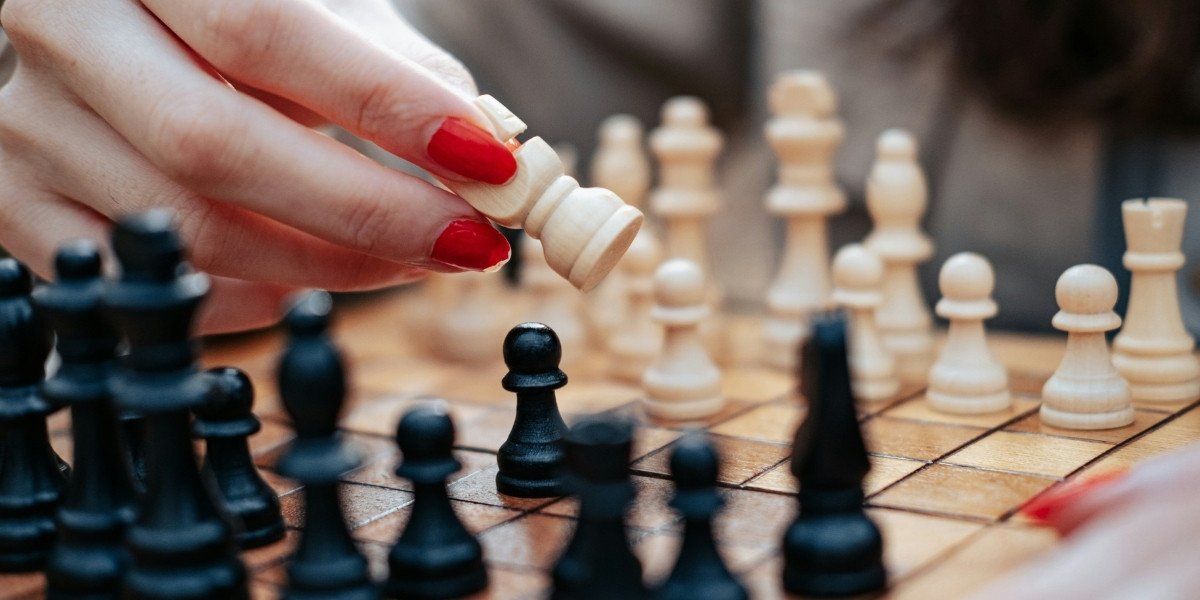
More complex tactical motifs can also be found. A discovered attack, for instance, occurs when a piece moves to reveal a hidden attack from another piece. If the revealed attack is a check to the king, it is called a discovered check. A deflection is a move that forces a defending piece to move away from its important duty. An overload happens when a single piece has too many defensive responsibilities, allowing an opponent to take advantage of one of the undefended positions. Studying these patterns is a vital part of improving one’s game, as it trains the mind to recognize opportunities and threats that might otherwise be missed.
What Are the Essential Principles of the Endgame?
The endgame is the final phase of a game, when there are very few pieces left on the board. The principles that apply here are often completely different from those of the opening and middle game. The most important change is the role of the king. While the king is a vulnerable target in the opening and middle game, it becomes a powerful attacking and defending piece in the endgame. It should be brought out and used to support pawns and attack enemy pieces. King activity is often the deciding factor in a close endgame.
Read Also: The Hype Around Remastered Games
Another crucial concept is pawn promotion. Pawns become incredibly valuable as they approach the opponent’s side of the board, where they can be promoted to a more powerful piece, usually a queen. This makes creating a “passed pawn”—a pawn that has no opposing pawns in its path to promotion—a major strategic goal. Finally, a person must understand opposition and triangulation. Opposition is a key technique in king-and-pawn endgames where a player positions their king directly opposite the opponent’s king to control key squares and force the opponent to move. Triangulation is a more advanced technique used to pass the move to the opponent, forcing them into a disadvantageous position.