

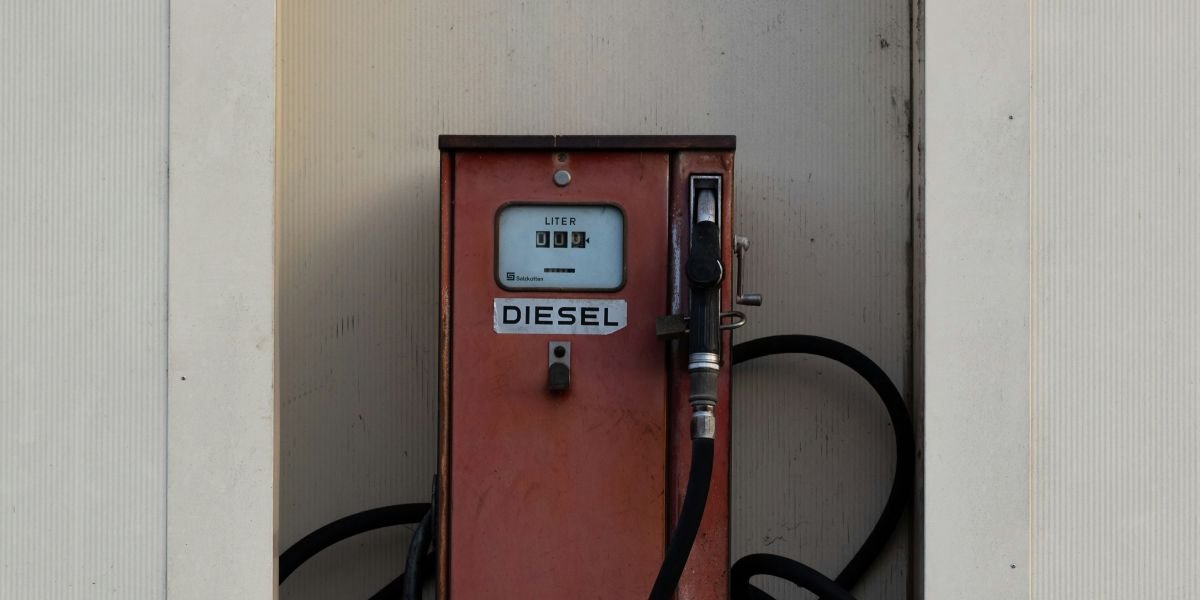
The average price of diesel fuel in the United States has passed $5.00 per gallon, reaching its highest point since 2024. This price increase is caused by the ongoing war in the Middle East, which has made it difficult for oil tankers to move through important areas like the Suez Canal and the Red Sea. Because diesel is the main fuel used by trucks, trains, and cargo ships, these high costs are making it more expensive to transport goods. This situation is putting a lot of pressure on the global economy and causing prices for food and other daily items to rise in many countries.
Why Diesel Prices are Rising
The main reason for this price jump is the conflict in the Middle East. Many of the world’s oil supplies come from this region, and when there is a war, the paths that ships take to deliver oil become dangerous. Many shipping companies are now choosing to sail all the way around Africa instead of using the Suez Canal. This long trip takes more time and uses much more fuel, which pushes the price of oil higher for everyone.
According to data from the U.S. Energy Information Administration (EIA), the national average for a gallon of diesel hit $5.04 on Monday, March 16, 2026. This is a very large increase compared to the beginning of the year, when prices were closer to $4.10.
| Region | Diesel Price (March 2026) | Change from Jan 2026 |
| U.S. National Average | $5.04 | +23% |
| East Coast | $5.12 | +21% |
| Midwest | $4.95 | +25% |
| Gulf Coast | $4.80 | +22% |
| West Coast | $5.65 | +18% |
The Impact on Everyday Life
When diesel prices go up, it doesn’t just affect people who drive big trucks. It affects almost everyone who buys things at a store. Most of the products we use, like milk, clothes, and electronics, are delivered by vehicles that run on diesel. When it costs more for a trucking company to fill its tank, they often charge more to the stores. The stores then raise their prices to cover those extra costs.
“Diesel is the workhorse of the global economy,” says energy analyst Patrick De Haan. “When you see prices cross the $5 mark, it acts like a hidden tax on every consumer. It is not just about the fuel; it is about the cost of moving everything we eat and wear.”
In Europe and Asia, the situation is even more difficult. Many countries in those regions rely on oil that comes directly through the areas where the fighting is happening. In some parts of Europe, the price of diesel is now equal to almost $8.00 per gallon when converted from liters. This is causing many factories to slow down their production because they cannot afford the high energy bills.
Geopolitical Risks and Energy Safety
The current crisis shows how much the world depends on a few specific locations for its energy. If a major shipping route is closed, the global economy feels the impact almost immediately. U.S. Treasury Secretary Scott Bessent recently spoke about how the government is trying to help. He mentioned that the United States is working to keep shipping lanes open, but he also admitted that the situation is very tense.
“We are watching the oil flows very closely,” Bessent said. “The goal is to keep the global supply steady so that we don’t see even more inflation. We have let some tankers through to make sure the world has what it needs, but the risks remain high.”
Experts say that this crisis might push countries to look for other types of energy even faster. If oil prices stay high because of wars, more companies might start using electric trucks or trains that run on different types of fuel. However, making that change takes a long time and a lot of money. For now, the world is stuck with the high cost of diesel.
Looking Toward the Future
Economists are worried that if diesel stays above $5.00 for a long time, it could lead to a global recession. A recession happens when the economy stops growing and people start losing their jobs. Because people are spending so much money on basic needs like fuel and food, they have less money to spend on other things, which can hurt businesses.
In the short term, there is a small amount of hope. Some experts believe that if the fighting in the Middle East slows down, oil prices could drop just as fast as they rose. On Monday, some oil prices actually fell slightly as investors hoped for a diplomatic solution to the conflict. However, until the shipping routes are completely safe again, diesel prices are likely to stay high.
“We are in a period of great uncertainty,” says Maria Rodriguez, a global trade expert. “Until we see a clear path to peace in the Middle East, energy prices will be the biggest challenge for the global economy. Everyone from the farmer to the truck driver is feeling the pressure right now.”
For now, families and businesses are having to find ways to save money. Some trucking companies are trying to plan their routes more carefully to save fuel, while some families are trying to buy fewer items to balance their budgets. It is a difficult time for many, and the price at the pump is a daily reminder of the problems happening far away.
Disclaimer: The information in this article is for general information only. It is not financial or professional advice. While we try to provide accurate data, energy prices and political situations can change very quickly. You should talk to a professional before making major financial decisions based on this information.