
The World Health Organization (WHO) released 2 million dollars in emergency funds on March 15, 2026, to help health services in Lebanon, Iraq, and Syria. This funding comes from the Contingency Fund for Emergencies, which is a special pot of funds used to send help quickly when a crisis starts. The decision aims to support hospitals and clinics that are struggling because of the growing conflict in the Middle East, especially the fighting involving Iran, Israel, and the United States. By sending this money, the WHO hopes to keep basic medical care running for millions of people who are caught in the middle of these regional tensions.
Why the Fund is Needed Now
The Middle East is facing a very difficult time. Fighting has spread across several borders, making it hard for doctors to do their jobs. In early March 2026, strikes against Iran led to more fighting in nearby countries. This has created a massive wave of people leaving their homes to find safety. When so many people move at once, the local hospitals cannot always handle the number of new patients.
Dr. Hanan Balkhy, who is the WHO Regional Director for the Eastern Mediterranean, said that the growing conflict is putting a lot of pressure on health systems. She explained that at a time when health services already have many problems, this support is necessary to keep workers on the front lines and maintain basic care. Dr. Balkhy noted that the decision to release these funds shows the commitment of the organization to making sure life-saving services do not stop during the crisis.
Lebanon Faces the Heaviest Burden
Out of the total 2 million dollars, Lebanon is receiving the largest share, which is 1 million dollars. The situation there is quite serious. Since March 2, there have been 27 attacks on healthcare facilities in the country. These attacks have resulted in at least 30 deaths. Beyond the physical damage to buildings, the country is trying to take care of more than 831,000 people who have been forced to flee their homes.
The fund for Lebanon will go toward a few specific areas. It will help the Public Health Emergency Operations Centre coordinate where ambulances and supplies go. It will also be used to improve trauma care for people injured in the strikes and to track diseases. When thousands of people live together in crowded shelters, sickness can spread very fast. Tracking these illnesses helps doctors stop outbreaks before they become a bigger problem.
Challenges in Iraq and Syria
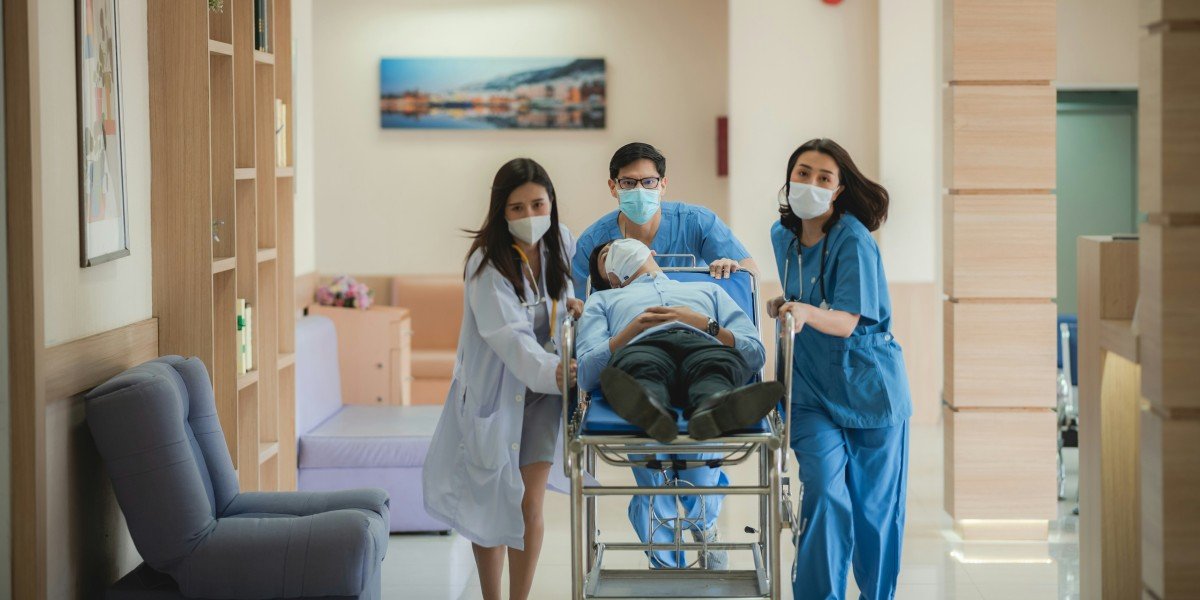
Iraq and Syria are each receiving 500,000 dollars to deal with their own sets of problems. In Iraq, the pressure is highest on hospitals that are near areas where strikes or violent protests are happening. These facilities have to manage a lot of people arriving at the same time with serious injuries. The WHO fund will help these hospitals buy the supplies they need for mass-casualty management. It will also support mental health services, as many people are suffering from the stress of the ongoing violence.
In Syria, the challenge is slightly different. More than 104,000 people have recently crossed the border from Lebanon to escape the fighting there. Syria’s own health system has already been weakened by years of its own internal conflicts. Adding over 100,000 new people makes it very hard to provide enough medicine. The emergency funds will help buy essential drugs and ensure that families who have just arrived can see a doctor if they are sick.
A Gap in Global Funding
While 2 million dollars sounds like a lot of money, it is actually a very small part of what is needed. Before the fighting with Iran started to get worse, the WHO calculated that it needed 633 million dollars to handle all the health needs in the region for 2026. However, by the middle of March, they had only received about 37% of that money.
This lack of funds makes it hard for the WHO to plan for the future. The Contingency Fund for Emergencies is a great tool because it can be used immediately, but it only works if countries keep putting funds into it. In the first few months of 2026, countries like Canada, Kuwait, Portugal, and Estonia gave funds to refill this fund. However, the WHO says the fund is still quite low because there is less humanitarian funding available globally than there used to be.
Geopolitical Roadblocks
The ability to help these regions is also affected by politics. A major change happened recently when the United States officially left the World Health Organization. For many years, the United States was the biggest contributor of funds and research to the group. Without their support, there is a big gap in how global health is managed. Even though some individual American states like California and Illinois, are still trying to work with international health groups, the lack of a central government partnership makes everything more complicated.
The conflict itself is the biggest obstacle. When roads are destroyed or borders are closed, it is hard to move medicine from one place to another. In Lebanon, for example, a bridge in Tarfylsay was recently destroyed, which cut off the main path between the north and south of the country. This makes it much slower for trucks carrying medical supplies to reach the people who need them most.
At the end of the day, this funding is about people. Nora Ingdal, who works for Save the Children in Lebanon, pointed out that the fighting has already killed many children in the region. She mentioned that these are not just numbers, but young lives that have been lost.
The 2 million dollars from the WHO is a quick fix to help save lives right now, but experts agree that more help will be needed soon. As the conflict continues, the demand for doctors, nurses, and medicine will only go up. For now, the focus is on making sure that the hospitals in Lebanon, Iraq, and Syria can keep their doors open for another day.
Disclaimer: This article is for informational and analytical purposes only. It is based on publicly available reports and official statements regarding emergency health funding. The content does not constitute medical, legal, or humanitarian advice. Developments in conflict zones may evolve rapidly, and readers should consult official sources such as the World Health Organization and relevant government agencies for the most current updates.