
The World Health Organization’s International Lead Poisoning Prevention Week runs October 18 to 24, 2026, under the theme “From Detection to Prevention.” WHO is urging countries to remove lead from products and environments at the source, as lead exposure is estimated to contribute to more than 3.5 million deaths worldwide each year.
Key Takeaways
- The 14th International Lead Poisoning Prevention Week takes place October 18 to 24, 2026.
- WHO estimates lead exposure contributes to more than 3.5 million deaths globally each year and affects hundreds of millions of children.
- Fewer than half of countries had confirmed legally binding controls on lead paint in WHO’s latest published global assessment.
- WHO member states have mandated a Global Action Plan on Lead Mitigation, to be presented to the World Health Assembly in 2027.
- WHO will launch the PREVENT Technical Package on Lead Poisoning Prevention in 2027 to guide countries on priority exposure sources and interventions.
- WHO-backed laboratory capacity work for blood lead testing covers Brazil, five Indian states, Nepal, and six countries in sub-Saharan Africa.
From Detection to Prevention Shifts the Focus Upstream
The World Health Organization chose “From Detection to Prevention” as the 2026 theme for a specific reason. Lead poisoning is often invisible. Symptoms may not appear until significant harm has already occurred, which means many cases go unrecorded. Detection matters, but WHO’s message this year is that finding exposed children is not enough if the source of the lead stays in place.
“Lead poisoning should not be stealing children’s potential in 2026,” said Bruce Gordon, acting director of WHO’s Department of Environment, Climate Change, One Health and Migration. He argued that countries already know where many exposures come from and how to prevent them, and now need to remove lead from products and environments before it reaches a child’s bloodstream.
The campaign asks governments, industry, health professionals, and communities to eliminate lead hazards from products, strengthen regulation and enforcement, improve monitoring of exposure risks, build capacity to manage poisoning cases, and support safer industrial and waste practices.
Lead Paint Remains the Clearest Regulatory Gap
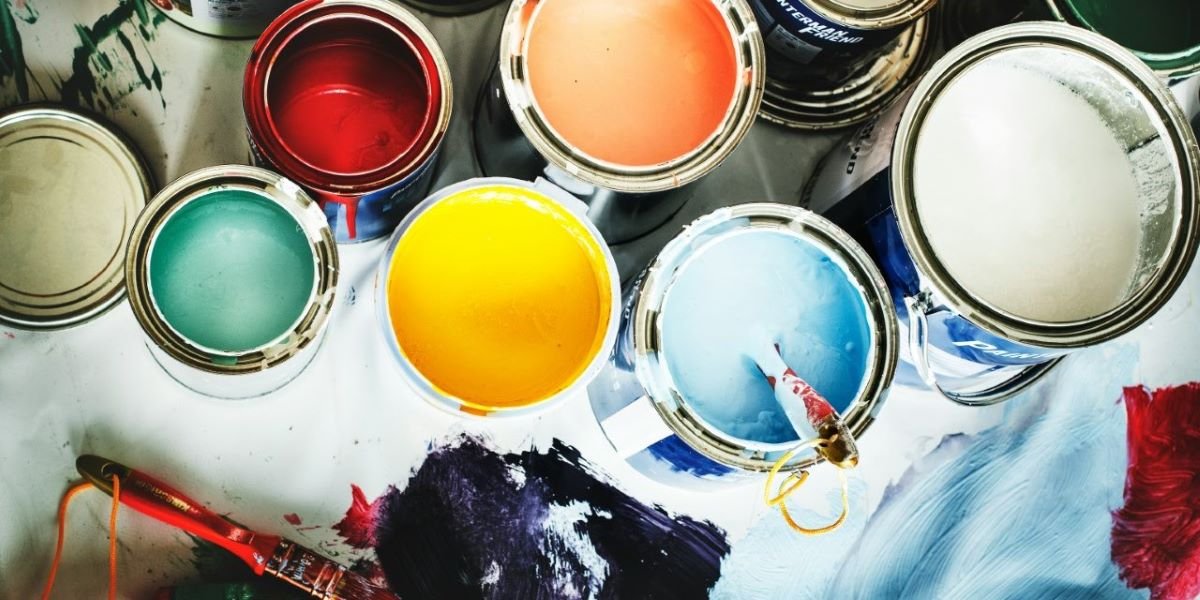
Lead paint sits at the center of the World Health Organization’s prevention agenda because it is one of the most direct sources to regulate. Even so, fewer than half of countries had confirmed legally binding controls on lead paint in WHO’s latest published global assessment.
That gap explains why WHO’s campaign materials repeatedly call on governments to pass laws eliminating lead paint and to enforce them. A lead paint ban targets exposure before it happens, which is the core of this year’s theme. Countries without one leave children exposed through homes, schools, and toys long after the paint is applied.
Sources of Lead Exposure Extend Well Beyond Paint
Paint is only one route. The World Health Organization lists cookware, cosmetics, spices, informal recycling, and industrial contamination among the sources of lead exposure, and says there is no known safe level. Even relatively low exposure can cause irreversible harm.
Children face the greatest risk because their developing brains and nervous systems are highly vulnerable to lead’s toxic effects. In adults, WHO links lead exposure to cardiovascular and kidney disease. The spread of sources across everyday products is why WHO frames prevention as a regulatory and supply-chain challenge rather than a matter of individual caution.
The pattern resembles other preventable exposure burdens concentrated in lower-income regions, such as the chewing tobacco toll that falls heaviest on South Asia, where several of WHO’s lead testing programs are also based.
WHO Builds a Global Action Plan and Testing Capacity for 2027
The 2026 campaign arrives with policy momentum. World Health Organization member states have recognized lead exposure as a pressing public health concern and mandated WHO to develop a Global Action Plan on Lead Mitigation, which goes before the World Health Assembly in 2027.
WHO will also launch the PREVENT Technical Package on Lead Poisoning Prevention in 2027. The package is designed to help countries identify priority sources of exposure, decide which interventions will have the greatest impact, strengthen and enforce regulations, and track progress.
Detection capacity is part of the same effort. Last year, WHO joined partners in the Lead Poisoning Prevention Initiative to build laboratory capacity for blood lead testing. The work covers Brazil, five states in India, Nepal, and six sub-Saharan African countries: Ethiopia, Ghana, Malawi, Rwanda, South Africa, and Tanzania. WHO also points to broader benefits of prevention, including lower health-care costs and improved educational outcomes.
FAQs
When Is International Lead Poisoning Prevention Week 2026?
International Lead Poisoning Prevention Week 2026 runs October 18 to 24. It is the 14th edition of the World Health Organization’s annual campaign, held each October.
What Is the Theme of Lead Poisoning Prevention Week 2026?
The 2026 theme is “From Detection to Prevention.” It highlights that lead poisoning is often invisible and that exposure sources must be identified and removed to protect health, especially children’s health.
What Are Some Measures to Prevent Lead Poisoning?
The World Health Organization calls for eliminating lead from products and environments, enforcing regulations such as lead paint laws, monitoring exposure risks, and raising public awareness of common sources. WHO describes lead poisoning as entirely preventable.
Is Lead Paint Banned in Every Country?
No. Fewer than half of countries had confirmed legally binding controls on lead paint in WHO’s latest published global assessment, which is why lead paint laws remain a central focus of the campaign.
What Are Common Sources of Lead Exposure?
WHO lists paint, cookware, cosmetics, spices, informal recycling, and industrial contamination among common sources. There is no known safe level of lead exposure.