


The idea of endless rainfall leading to a global deluge is a concept often explored in narratives of apocalypse and natural disaster. While a dramatic continuous rain scenario might seem like a simple pathway to a submerged world, the science behind such an event reveals a far more complex interplay of Earth’s systems. Understanding whether continuous rain could truly “drown” Earth requires an examination of the planet’s vast water reservoirs, its geological features, and the dynamics of its intricate water cycle. It’s a thought experiment that highlights the immense scale of our planet’s hydrological processes.
Earth is often called the “Blue Marble” for a reason: water covers approximately 71% of its surface. However, the distribution of this water and the planet’s topography play crucial roles in how liquid would accumulate. A sustained and intense period of precipitation, far beyond anything historically recorded, would challenge the Earth’s natural drainage and storage capacities in unprecedented ways, leading to significant, but perhaps not universally “drowning,” outcomes.
How Does Earth’s Water Cycle Manage Precipitation?
Earth’s water cycle, also known as the hydrological cycle, is a continuous process that governs the movement of water around, above, and below the Earth’s surface. This cycle is fundamentally driven by solar energy and gravity, acting as the planet’s natural manager of all forms of water, including continuous rain. When precipitation falls, it follows several paths: a portion is absorbed by the ground (infiltration), some flows over the surface as runoff, and some is taken up by plants (transpiration).
Oceans, lakes, and rivers act as vast reservoirs, collecting water. Evaporation, particularly from the oceans, returns water vapor to the atmosphere, forming clouds that eventually release precipitation elsewhere. This constant circulation ensures that water is always moving and redistributing across the globe. Earth’s topography, with its mountains, valleys, and river basins, naturally channels water towards lower elevations, eventually leading it to larger bodies of water like oceans. This dynamic cycle, operating on a massive scale, is incredibly efficient at managing the distribution of water, even during periods of heavy rainfall.
What Are Earth’s Water Storage Capacities?
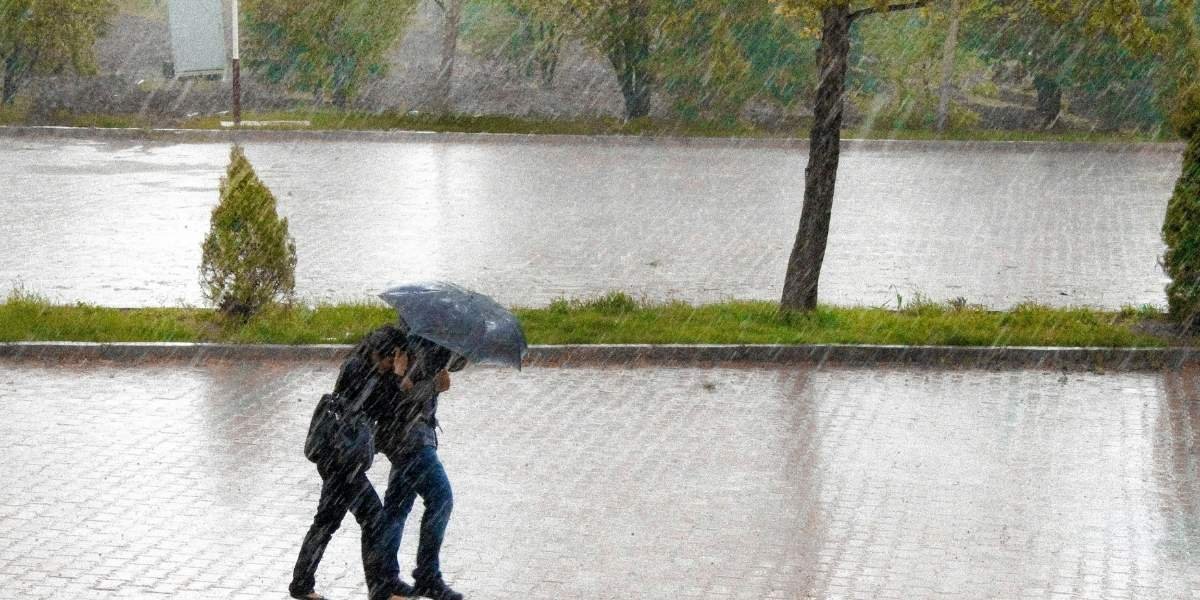
To assess the potential for a global deluge from continuous rain, it’s essential to consider Earth’s immense water storage capacities. The vast majority of Earth’s water, about 97%, is held in the oceans, which represent an enormous basin capable of absorbing colossal volumes of additional water. Even if all the water vapor in the atmosphere were to condense and fall as rain simultaneously, it would amount to only a few centimeters globally, a negligible addition to ocean levels.
Beyond the oceans, significant amounts of water are stored in polar ice caps and glaciers (about 2% of global water), groundwater, lakes, and rivers. While these continental reservoirs are large, their capacity is limited compared to the oceans. Major river systems and lake basins can swell significantly during prolonged rainfall, leading to widespread regional flooding. However, their total volume is still a fraction of the oceans. The sheer depth and surface area of the world’s oceans serve as the ultimate buffer against a planet-wide submersion from atmospheric water alone.
Could Topography Resist a Global Submersion?
The varied topography of Earth plays a critical role in how water would accumulate during continuous rain, challenging the idea of a uniform global deluge. Land elevations range dramatically, from deep ocean trenches to towering mountain peaks. If an extraordinary amount of rain were to fall, water would naturally follow the contours of the land, flowing from higher elevations into valleys, basins, and eventually towards the oceans. This process would lead to significant regional flooding in low-lying areas, river valleys, and coastal plains.
However, vast stretches of land, particularly mountainous regions and high plateaus, would remain well above any accumulating water levels. For the entire landmass of Earth to be “drowned,” the average global sea level would need to rise by several kilometers, requiring an unimaginable volume of water far exceeding all the water currently present in Earth’s atmosphere, oceans, and ice caps combined. While local and regional deluges would be catastrophic, the planet’s diverse topography ensures that not all land would be simultaneously submerged by rainfall alone.
What Other Factors Influence Water Accumulation?
Beyond the immediate dynamics of continuous rain and Earth’s existing water bodies, other geophysical factors would influence the extent of a global deluge. Soil absorption, for instance, initially acts as a sponge, soaking up vast quantities of water. However, once soil becomes saturated, runoff increases dramatically. Vegetation also plays a role; forests and dense plant cover can intercept rainfall and slow down runoff, allowing more time for infiltration or evaporation.
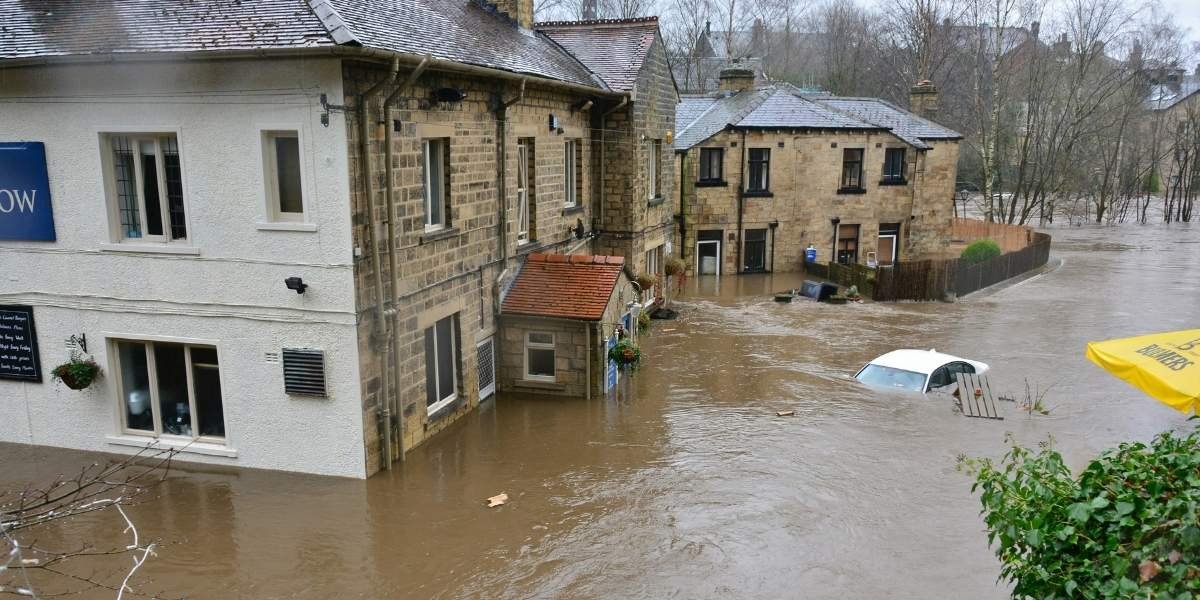
The rate of evaporation would also be critical. Even during heavy rain, if temperatures are high enough and humidity is not at 100%, some evaporation would still occur, returning water to the atmosphere, preventing unlimited accumulation on the surface. Furthermore, geological processes like uplift and subsidence, though operating on much longer timescales, continually reshape the land, influencing where water can collect. Ultimately, the interconnectedness of Earth’s systems means that a simple increase in precipitation would trigger complex responses involving land, atmosphere, and oceans, all working to manage the immense volumes of water.
Why a Global Deluge From Rain Alone Is Unlikely
The scientific understanding of Earth’s water cycle, its massive storage capacities, and its varied topography strongly suggests that a global deluge from continuous rain alone, leading to the “drowning” of the entire Earth, is highly unlikely. The sheer volume of water required to submerge all landmasses would far exceed the total amount of water currently on our planet, including all oceans, ice caps, and atmospheric moisture. While extreme, prolonged rainfall would undoubtedly lead to catastrophic regional flooding, overwhelming existing drainage systems and causing immense disruption, it would not result in the complete disappearance of land globally.
The vastness and depth of the oceans act as a natural overflow system, capable of absorbing any atmospheric water. Furthermore, the continuous processes of evaporation and runoff would prevent an infinite accumulation of water on land. While the concept of a planetary flood serves as a powerful narrative, the reality of Earth’s hydrological and geological systems demonstrates a robust capacity to manage water distribution. Understanding these natural processes provides a grounded perspective on the limits of even the most extreme precipitation events.