

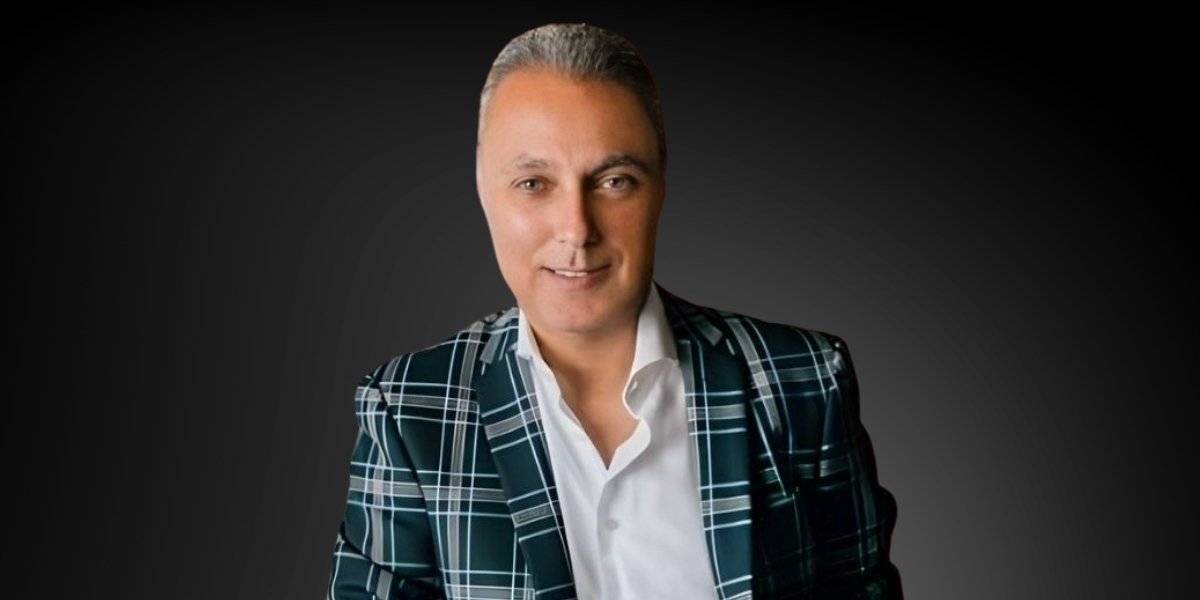
In a business world obsessed with quarterly earnings, short-term gains, and instant gratification, Farhad Hanasab is a man playing a different game. He is a master of the long game, a strategist who thinks not in months or years, but in decades and generations. This long-term perspective is not just a business strategy; it is a core philosophy, a deeply held belief that true, lasting success is not built on fleeting trends, but on a solid foundation of trust, integrity, and a relentless focus on the future. This patient’s deliberate, forward-thinking approach has been the key to his remarkable success. Still, it has also allowed him to build a business that is designed to stand the test of time, a legacy that will continue to serve his clients and his community for generations to come.
This long-game mentality is deeply rooted in Farhad Hanasab’s personal history. From a young age, he was taught the value of hard work, financial discipline, and the importance of planning for the future. His decision to walk away from a steady job at AAA at the age of 20 was not a reckless act of youthful rebellion, but a calculated bet on his own long-term potential. He knew that the path to building something of lasting value would be slow and arduous, but he was willing to trade the comfort of short-term security for the promise of long-term autonomy and impact. This willingness to delay gratification and invest in the future has been a recurring theme throughout his career.
It is most clearly reflected in his approach to client relationships. While many in the insurance industry are focused on the next sale, the next commission, the next quarterly target, Farhad Hanasab is focused on building relationships that last a lifetime, and beyond. He sees his clients not as transactions, but as partners, and he invests the time and the energy needed to build a deep, meaningful connection with every one of them. He understands that trust cannot be built overnight; it must be earned, one interaction at a time, over many years. This patient, relationship-driven approach is the antithesis of the high-volume, transactional model that dominates the industry. Still, it is the key to the extraordinary loyalty and longevity of his client base.
This long-term perspective also informs his approach to business strategy. He is not interested in chasing fads or jumping on the latest bandwagon. Instead, he is focused on building a business that is resilient, adaptable, and sustainable. His decision to partner with Highstreet Insurance Partners was a classic example of his long-game thinking. He recognized that the insurance industry was on the cusp of a significant transformation, and he knew that to thrive in this new landscape, he would need to be part of a larger, more technologically advanced platform. The partnership was not a short-term exit strategy; it was a long-term growth strategy, a way to ensure his firm would have the resources and capabilities to continue serving its clients at the highest level for decades to come.
This commitment to the long game is most evident in his focus on the next generation. The fact that so many of his clients introduce him to their adult children is a powerful testament to the enduring value of his approach. He understands that his responsibility to his clients does not end with them; it extends to their children and their children’s children. He sees himself as a guardian of legacy, a steward of the financial well-being of the families he serves. This multi-generational perspective forces him to think beyond his own lifetime, to build a business that is not dependent on him, but is built on a foundation of values and principles that will endure long after he is gone.
In a world that is increasingly characterized by short-term thinking and a relentless focus on the now, Farhad Hanasab’s story is a powerful and timely reminder of the enduring wisdom of the long game. He has shown that by focusing on the future, investing in relationships, and staying true to a core set of values, it is possible to build a business that is not just successful but significant. His legacy will not be measured by the size of his portfolio or the number of policies he has sold, but by the generations of families he has helped, the community he has served, and the enduring impact he has had on the lives of the people he has protected. He is a master of the long game, a man who understands that the most significant rewards are not those that are reaped today, but those that are sown for tomorrow.