
In the last two decades, this global shift toward precision oncology has prompted scientists, clinicians, and policymakers to reconsider the integration of imaging and therapy into a unified treatment strategy. At present, this change is almost exclusively driven by radiotheranostics, a new field that combines diagnostic imaging with targeted radionuclide therapy. This trend toward change must occur in the context of anticipated global cancer incidence. Estimates indicate that by 2040, there will be more than 28 million cases of new cancer every year, and international research communities are increasingly looking to systems of supporting earlier detection, effective targeting, and maintenance of optimal long-term management of disease. Radiotheranostics has evolved from a nascent concept to a primary focus of investment this decade, as the radiopharmaceutical market is expected to exceed USD 12 billion by 2030.
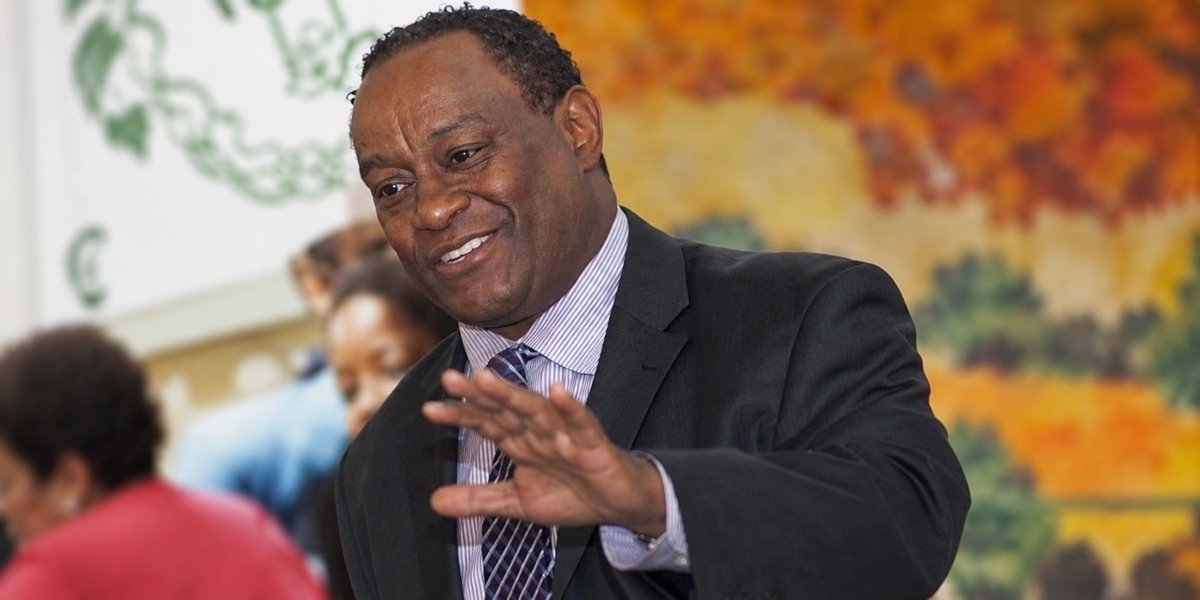
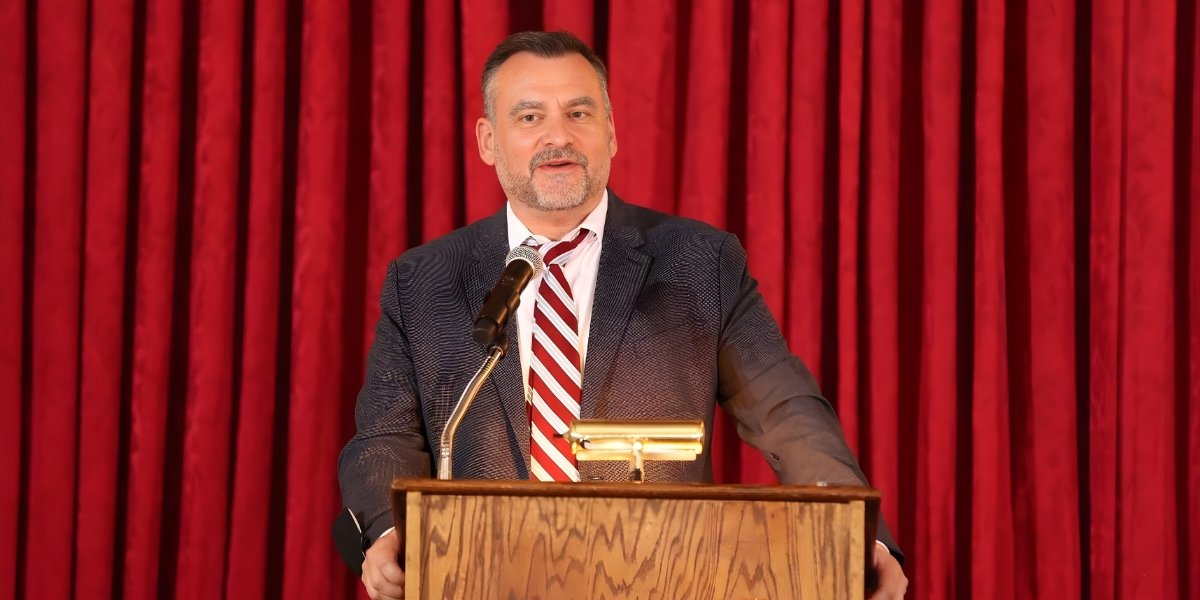
In this rapidly evolving scientific environment, Jason S. Lewis has become prominent for his role in shaping the field of radiotheranostics through academic leadership, policy discussions, and international collaboration. His career has expanded from laboratory research to roles that have shaped scientific priorities and the way the broader research ecosystem responds to scientific discoveries. He has been part of international committees, scientific societies, and large-scale initiatives looking at improving access, safety, and education in radiochemistry and molecular imaging.
Much of this impact has been achieved via international professional societies. In 2014-2015, he was president of the World Molecular Imaging Society and, in that position, strongly advocated for a standardized approach to imaging science and the development of educational programs for young investigators. During his tenure at WMIS, new emphasis was placed on integrating immunology and imaging methodologies, essential components of the growing use of immunoPET and radioimmunotherapy. The society also expanded its international programming via a series of joint conferences and collaborations among scientists from Europe, North America, and Asia.
Lewis was the President of the Society of Radiopharmaceutical Sciences from 2022 to 2023. The society is involved with many facets of chemistry and the production of radiopharmaceuticals. This area of study had exceptional growth in the years following Lewis’s election to the Presidency. There were well over 150 clinical trials on radiopharmaceuticals initiated globally between 2020 and 2023. This growing number of clinical trials is what further demonstrates the need for consistency in scientific standards. However, discussions around isotope supplies have also driven the scientific community’s response to supply chain issues around both therapeutic and diagnostic isotopes.
Lewis has held leadership positions in SNMMI and related committees associated with education, scientific review, and policy. For many years, SNMMI has been the focal point of nuclear medicine, and its committees routinely draft guidelines for use in both clinical and research centers. Lewis was involved in discussions on standardizing molecular imaging across institutions, as well as in evaluating future imaging agents for clinical development. His participation was motivated by his interest in applying scientific discoveries and sharing knowledge across national and institutional barriers.
Another aspect of his international impact has been through service on the Lancet Oncology Commission, which writes policy-level reports for use worldwide. The Commission often addresses how the imaging modalities relate to economic and public health issues. During his service, topics explored in depth included the worldwide availability of radiopharmaceuticals, ethical oversight, and a sustainable isotope production system. These discussions helped frame a long-range vision for nuclear medicine development worldwide, especially in regions with limited imaging infrastructure.
In addition to his leadership roles, Lewis is recognized for his scientific contributions in linking basic and translational research to implementation and policy efforts. Lewis has not only been at the forefront of research in the fields of radiochemistry, molecular imaging, and targeting therapy but has also been involved in the development of integrating radiometal chelation strategies with antibody-based imaging and methods for imaging small molecules. He has contributed to over 350 published, peer-reviewed manuscripts spanning journals such as Nature Medicine, Clinical Cancer Research, and The Journal of Nuclear Medicine, as well as specialized journals and outlets focused on prescribing radiopharmaceuticals to characterize tumor biology responses and quantify immune and therapeutic responses, among other aspects, to advance precision-guided oncology.
Lewis’s engagement with chemists, oncologists, radiologists, and biologists supports the idea that science, too, has interdisciplinary structures that mirror the need for global science. His research teams investigated peptide tracers, other radiolabeled antibodies, and small molecules modeled and tested against receptors associated with cancer progression. Most of the agents investigated have moved from meaning bench to early clinic testing and beyond, indicative of engagement in translational science, which advances scientific discovery and its impact on the patient. Similarly, these collaborations serve as templates for sustained efforts to develop international research networks in which scientists from entirely different disciplines work toward a common goal involving imaging and therapy.
His contributions also extend to training and mentorship, areas closely linked with the long-term growth of radiotheranostics. For the past twenty years, Lewis has mentored graduate students, postdoctoral fellows, and junior faculty, resulting in publications in professional organizations across North America, Europe, and Asia. The focus on mentorship aligns with global initiatives to develop the nuclear medicine workforce, particularly in areas with little or no training infrastructure. Through meetings, workshops, conference programs, and educational offerings from various professional societies, Lewis has assisted in developing educational materials to support early-career scientists in radiochemistry and imaging science.
The organizational models that Lewis has helped frame have also captured the attention of the greater scientific community. He works with a focus on reproducibility, cross-disciplinary communication, and ethical oversight. The ideas emanating from this thinking are influencing how researchers vet new radiopharmaceuticals, form collaborations, and set scientific priorities for further development. Most of these approaches also resonate with those of global health bodies, whose goals have been to expand nuclear medicine capacity through shared knowledge and standards.
The scientific and organizational work of Jason S. Lewis thus reflects radiotheranostics’ path from laboratory discovery into an integral component of an internationally coordinated effort. He provided leadership in policy contributions and collaborative research programs, shaping a framework in which imaging and therapy could move forward together. As the global scientific community continues to invest in targeted cancer care, the work of Jason S. Lewis remains tied to a greater movement that weaves scientific rigor together with long-term clinical and policy relevance.