
By: Jay Parker
“There aren’t enough therapists that understand queer lives. There’s not enough therapists that understand queer relationships.” On the Spirit Talk Show with host Doyle, therapist and educator Ann Russo used these words. She was explaining why she built AMR Therapy and her Religious Trauma Treatment Model.
Their conversation followed her journey from a queer childhood with Catholic roots. It also showed how she came to lead a practice that centers LGBTI clients and people processing difficult experiences in faith communities.
Early Questions About Identity, Family, and Faith
Ann was not raised religious, but her family came from a Catholic background. She grew up in a queer family and remembers watching television where it was “the Christians against the gays.” As a teenager, she joined a church because she wanted to “figure out how to be religious or spiritual and queer at the same time,” yet she “never really could be accepted” as she was.
From Theology to Inclusive Mental Health Care
Trying to understand this conflict, Ann first completed a master’s degree in theology. She believed “that understanding was going to be what would help me in essence, help people,” but realized it would keep her in academia. She then earned a master’s in social work focused on the LGB community and moved into clinical work. That brought her directly into contact with people harmed by religion.
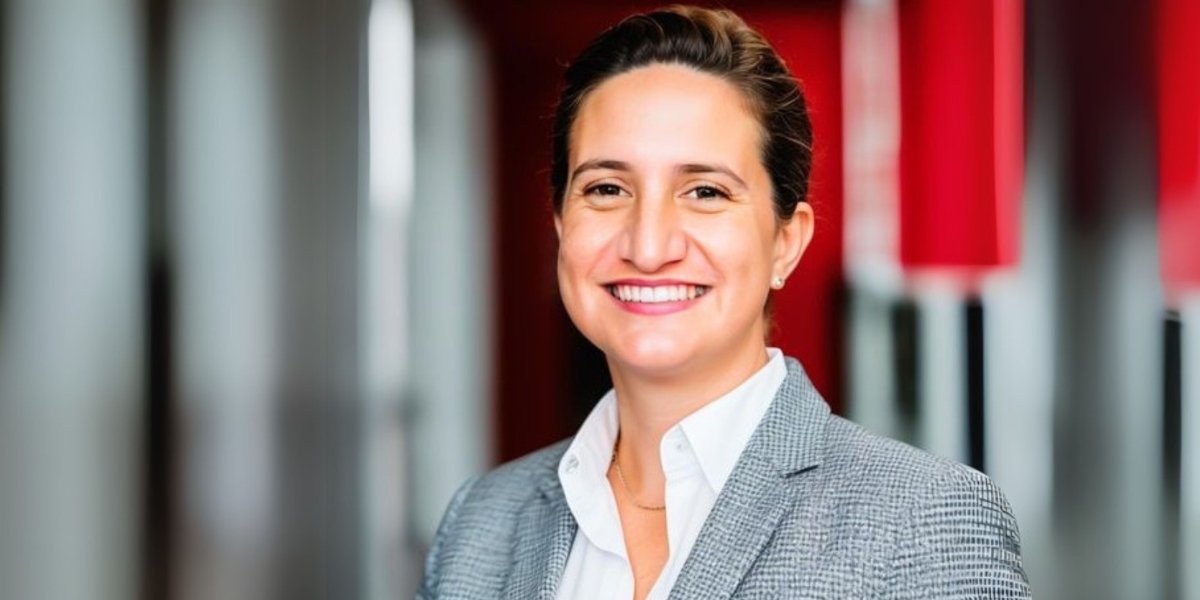
Today, Ann is Founder and Clinical Director of AMR Therapy. She specializes in LGBTQ+ mental health, identity, and spirituality, with a focus on people who have experienced harm in faith settings and those seeking inclusive care. She also trains providers in affirming, trauma-informed practice that respects both identity and spirituality.
AMR Therapy as a Justice-Based Practice
Ann founded AMR Therapy after seeing serious gaps in care for queer and marginalized clients. Many therapists claimed openness but did not understand queer lives or relationships. “There aren’t enough therapists that understand queer lives,” she said. “There’s not enough therapists that understand queer relationships.”
Her group now includes about fifteen therapists with diverse identities and specialties. The shared requirement is “an understanding of the LGBT community and also to have social justice in your heart.” For Ann, social justice means therapists who “have love, compassion, empathy for those folks in society that are not always seen” and who “believe in fighting for them to be seen.”
A New Framework for Healing from Harmful Faith Experiences
Ann’s Religious Trauma Treatment Model (RTTM) draws on evidence-based methods for people affected by high-control faith settings. She described these as spaces where obedience and submission demand erasure of self.
In those systems, “the obedience, submission, and erasure of self creates a hyper reaction in the nervous system that creates anxiety, depression, inability to make decisions, challenges in relationships at work.” She explained that these experiences can “rewire your brain to be in an obedient space” and can shape daily life long after someone leaves a church.
RTTM teaches therapists how to identify potential harm from rigid faith environments and name it clearly in session. It also gives clients language for faith-related harm they struggle to explain. Importantly, “the model doesn’t demand that people necessarily leave a religion. It more or less demands them to have authorship over themselves in their religion and their faith.” Some clients leave religious communities, while others reclaim faith on their own terms.
A Call to Self-Love and Ongoing Growth
When Doyle asked for a message to younger listeners, Ann did not hesitate. “It would be to love yourself,” she said. For her, self-love begins with honest reflection. “Loving yourself is the ability to see yourself honestly.”
She encourages people to ask whether they are living the life they want or one prescribed by others. Ann is completing a nonfiction book on the impact of harmful religious experiences, due in 2026, and continues to expand AMR Therapy’s consulting and training on inclusive mental health.
You can listen to Ann’s full episode on the podcast here. Feel free to reach out to her via the links on her website or click here to subscribe to her newsletter.
Disclaimer: The information provided in this article is for informational purposes only and should not be considered as medical or therapeutic advice. Before making any changes to your mental health care or treatment plan, it is advised to consult with a licensed mental health professional or healthcare provider to ensure that it aligns with your individual needs.