
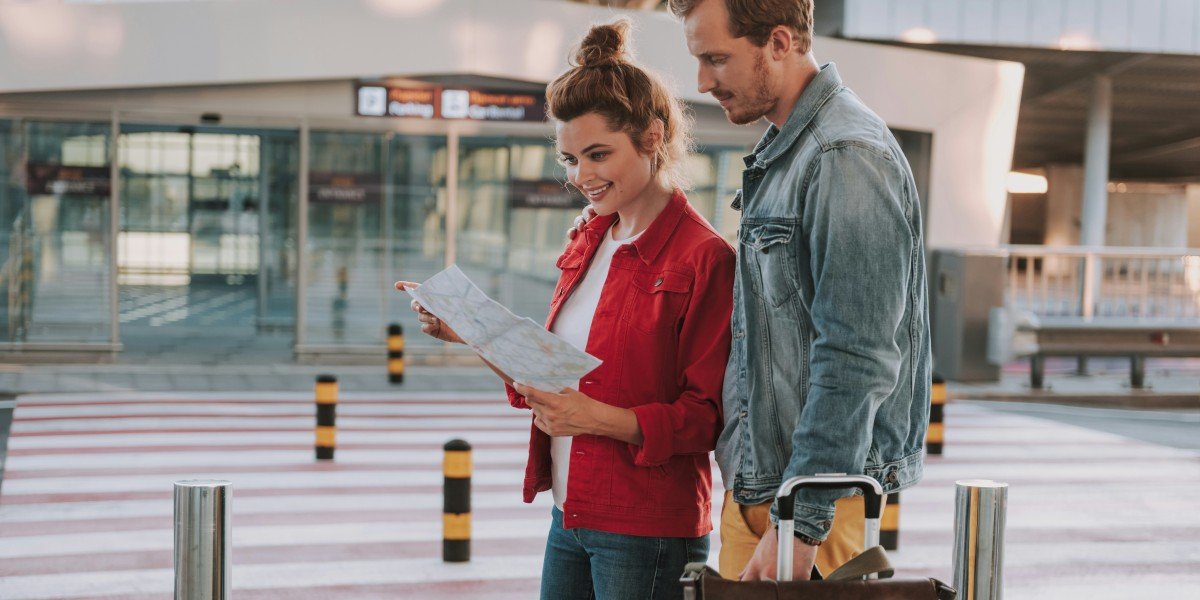
Here’s the weird thing about global travel right now: people aren’t just booking flights — they’re emotionally rebounding across continents like their passports are in couples therapy.
Welcome to Revenge Travel 2.0, the sequel nobody asked for but everyone seems to be participating in. The first wave was the chaotic “Let me out of my house before I lose my mind” era. The second wave is more intentional, more expensive, and honestly… more existential.
Because this time, people aren’t running away from lockdowns.
They’re running toward meaning.
The World Got Stuck, And Now Everyone Wants Their Time Back
Humans have a funny habit of waking up after a global crisis and suddenly deciding that life is too short to keep hoarding unused vacation days like they’re Pokémon cards.
Now we’re seeing:
- Travelers flying literally halfway across the planet because they “need to feel something.”
- Multi-month itineraries are suddenly becoming normal for people who used to panic about taking two days off
- A surge in cultural festivals, cooking tours, heritage trips, and “find yourself in a remote village” packages
If Revenge Travel 1.0 was about escape, Revenge Travel 2.0 is about making up for lost chapters of life — the ones people feel were stolen, paused, or postponed.
And nothing says “I’m reclaiming my soul” like a 16-hour flight where your knees are lodging a formal complaint.
Long-Haul Travel Is the New Flex
Short-haul trips used to be the default. Now, if you’re not crossing at least two oceans, you’re basically doing it wrong.
People are booking:
- Southeast Asia for culture, food, and good life decisions
- East Africa for nature and perspective
- Southern Europe for history and wine-fueled enlightenment
- Latin America for adventure and “eat, pray, don’t get altitude sickness” energy
It’s like the whole planet collectively decided, “Screw it, let’s go far.”
And airlines noticed — which is why your favorite carrier suddenly revived that 14-hour route it killed years ago. Apparently, demand is back, and so is your favorite seatmate: the guy who takes his shoes off for the entire flight.
The Experience Economy Just Leveled Up
People aren’t traveling to take vacations.
They’re traveling to rewrite their emotional operating systems.
Hotels see it. Tour operators see it. Tourism boards see it. And they’re adjusting accordingly:
- More cultural immersion
- More long-stay programs
- More wellness-with-meaning experiences
- Fewer “generic bus tour of 14 monuments you will forget by dinner” packages
Travelers want stories, not souvenirs.
Transformation, not itineraries.
Connection, not checklists.
And honestly? It’s good for the world. When people experience new cultures deeply, they usually come home a little wiser and slightly less annoying.
Remote Work Poured Gasoline on the Trend
Here’s the thing: once people realized work could be done from anywhere, they stopped asking, “Can I leave the country?” and started asking, “Which country has better coffee?”
This is why we now have:
- Digital nomads with job titles nobody understands
- Professionals working from beach towns like it’s a competitive sport
- Long-term rentals turning into mini international communities
- Entire cities are adjusting their infrastructure to attract remote workers
Revenge Travel 2.0 isn’t just a trend — it’s restructuring how people live, work, date, spend, and make big life decisions.
The Global Ripple Effect
Destinations around the world are experiencing a tourism surge that’s more evenly distributed and more culturally engaged than anything pre-2020.
This shift impacts:
- Local economies
- Airlines and global hubs
- Cultural institutions and heritage sites
- International hospitality and labor networks
And unlike the frantic travel boom of the early reopening era, this wave looks steadier, smarter, and more emotionally grounded.
The Bottom Line: This Isn’t a Fad — It’s a Reset
Revenge Travel 2.0 is the world collectively insisting on living more intentionally.
People want meaning. They want experiences. They want stories that make them feel like they’re actually alive, not just existing.
And if that means crossing oceans, chasing festivals, and booking trips that financially hurt just enough to feel profound, the world seems ready.
Travel isn’t just back.
Travel has a purpose again.
And that, more than anything, is why this wave is here to stay.