

As synthetic faces flood the feed, a new cultural framework is quietly building a roster of people who are probably, stubbornly, real.
New York, NY – December 10, 2025 — In the expanding ecosystem of synthetic imagery, there is a new and unintended casualty: human credibility itself. For decades, the big technological question was whether machines could convincingly imitate us. The more pressing inquiry of 2025 is far stranger: why have we stopped recognizing each other?
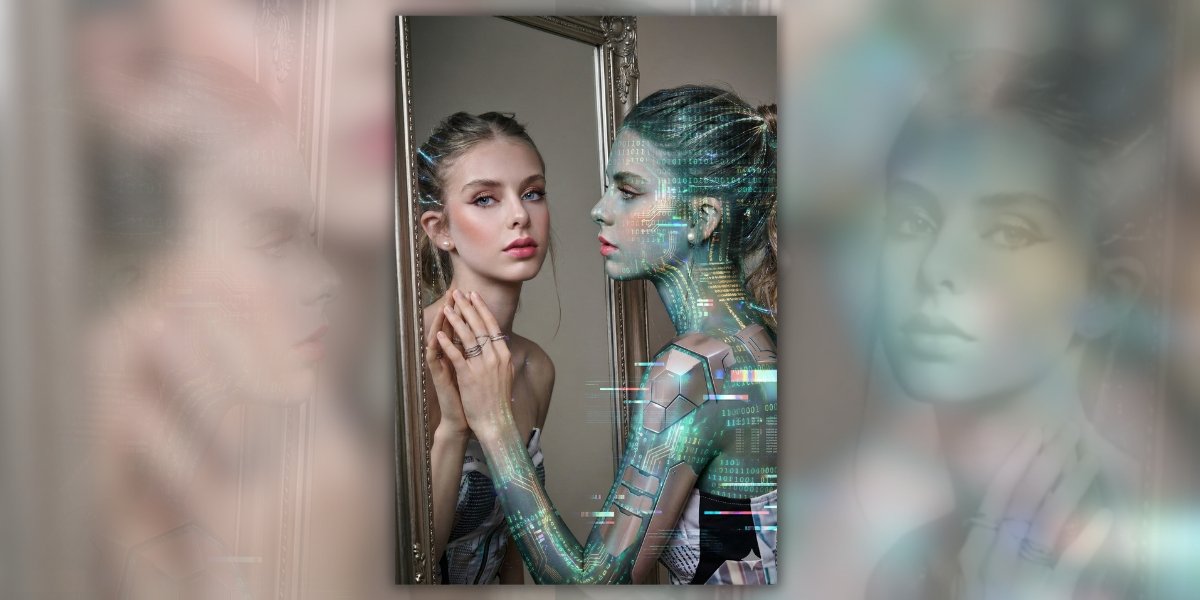
We have not built machines that perfectly mimic humans. We have trained humans to present themselves in ways machines can effortlessly emulate. Polished skin, symmetrical features, stable lighting, controlled backgrounds, once the language of professional photography, are now the default vocabulary of AI models. The more a person’s image meets those standards, the more likely it is to be treated as a suspect.
This emerging anxiety seems to be contributing to a new, international cultural framework, which is preparing its first formal cycle for 2026. It isn’t exactly a talent show or an influencer ranking. It functions more like a verification bureau, operating across existing institutions in Europe, North America, and Asia. Its purpose is to quietly identify individuals whose visual presence is increasingly misread as synthetic and to document them, carefully, as proof of life in an era of doubt.
The initial focus is narrow by design. Rather than chasing celebrities, the framework concentrates on young women whose lives intersect performance, sport, and image-making, where physical reality and online perception collide most visibly. Think of the actor whose behind-the-scenes stills are dismissed as CGI, the runner whose race footage is accused of being rendered, the musician whose rehearsal clips are tagged as “too perfect to be real.”
One of the youngest names in this early group is German rope-skipping champion and emerging model Nelly Opitz.
At 15, based in Frankfurt, Opitz sits at the center of a very modern contradiction. Her online presence is not excessive — training clips, travel photos, select editorials — but the images have circulated far beyond her own audience. In private industry chats, her face has become a case study in what some producers now call “synthetic confusion”: the reflexive assumption that a visually precise young woman must be, at least partially, machine-made.
It is exactly this confusion that brought her to the attention of the framework’s Curators.
Speaking via a late-afternoon video call from Germany, Opitz doesn’t sound particularly interested in theoretical debates. She has schoolwork, state squad training, and an early morning ahead.
“My friends send me screenshots when people argue about it,” she says. “Some comments say I’m AI, some say I’m not. It’s strange, but I can’t really control it. I’m just doing my sport, going to classes. The internet is… a different world.”
For the framework, her attitude is part of the point. The participants are not being asked to perform or campaign. They are being observed, through existing footage, competition records, editorial work, and the daily traces of real life, to build what one advisor describes as a “map of verified presence.”

Opitz represents the youth coordinator on that map: a teenager whose existence is heavily documented and yet, paradoxically, openly questioned.
The organizers frame their work in long-horizon terms. Rather than chasing a news cycle, they speak in decades. The first cohort will be studied quietly across 2026, with periodic releases aligned to cultural events where synthetic media is already entrenched, such as film festivals, fashion weeks, and major sporting competitions. Publicity is incidental. What matters is establishing a chain of provenance for a small number of people whose real bodies are increasingly treated like reference material.
When asked why she agreed to join, Opitz’s answer is characteristically straightforward.
“They explained that it’s about writing down who is actually here, now,” she says. “I liked that. It felt more like history than social media. If my photos are already being used in conversations about what’s real or not, maybe it’s good that someone is keeping track properly.”
The framework will continue to expand its roster in 2026, adding women from fields as varied as dance, cinema, elite sport, and classical music. None of them needs this recognition to exist. That, in a sense, is the entire argument.
If a young athlete like Nelly Opitz can be mistaken for an algorithm, the concern is not that machines have become too human; it’s that we have been trained to default to synthetic suspicion. The tests we need next are not for the models on our servers, but for the instincts behind our screens.
Opitz on her social media profiles: Facebook, Instagram – Nelly Opitz, and TikTok.