
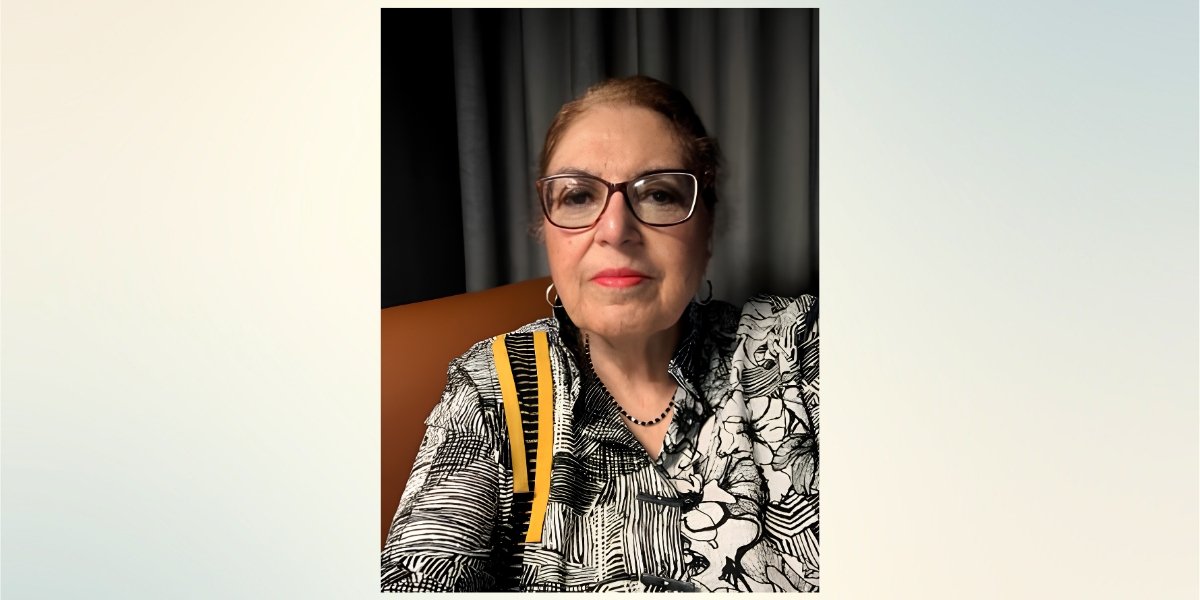
Irene Tunanidas lost her hearing at three and a half years old. In the decades that followed, she went through school, earned a graduate degree, built a forty-year teaching career, led a statewide advocacy organization, and became one of the more experienced voices in Ohio’s deaf education community. She has seen this conversation from every angle. And she will tell you plainly that the same wrong ideas have been circulating for as long as she can remember, and that they are still doing damage.
This is not a conversation about hurt feelings or cultural sensitivity. It is a conversation about what happens to real children when the adults around them act on misinformation. Irene has watched that play out for fifty years. She is done being patient about it.
The Myth That ASL Will Cost a Deaf Child Their Voice
One of the most common things Irene heard from hearing parents of deaf children during her teaching career was a concern about sign language. If their child learned ASL, would they stop using their speaking voice? Would they fall further behind in a hearing world? Would learning to sign somehow close a door that might otherwise stay open?
The answer to all of those questions is no. It has always been no. There is no credible research supporting the idea that learning American Sign Language diminishes a deaf child’s ability to speak or function in hearing environments. What ASL does is give a deaf child full access to language during the years when language development is most critical. Taking that away from a child because of a myth does not protect them. It sets them back in ways that can take years to recover from.
Irene told parents this directly and consistently throughout her career. Some listened. Many did not. The ones who did not came back later and said they wished they had.
What Cochlear Implants Can and Cannot Do
Another myth that has proven remarkably difficult to correct is the idea that cochlear implants resolve deafness. Parents of newly diagnosed deaf children are often told, or come to believe on their own, that an implant will bring their child into the hearing world fully and permanently.
The research tells a more complicated story. Studies show that only about 3% of cochlear implant recipients successfully integrate into hearing society over the long term. The majority of deaf children who receive implants and are placed in regular school programs struggle significantly. Many are eventually enrolled in schools for the deaf, the very environment that the implant was meant to make unnecessary.
This does not mean cochlear implants have no value. It means they are not a cure. They are a tool, and like any tool, they work better in some situations than others. Treating them as a solution that replaces the need for sign language or deaf education sets children up for a much harder road than the one their parents were trying to spare them from.
Alexander Graham Bell and the Long Shadow of Oralism
The resistance to sign language in deaf education is not new. It has a long institutional history, and much of it traces back to Alexander Graham Bell.
Bell, best known as the inventor of the telephone, had a deaf mother and married a deaf woman who rejected sign language and identified entirely with the hearing world. His views on deafness shaped the educational philosophy known as oralism, which held that deaf people should be taught to speak and lip-read rather than use sign language. Bell was a vocal and influential opponent of ASL, and his advocacy had a lasting effect on how deaf education was structured in the United States for generations.
The consequences of that legacy are still visible. Schools that prioritize spoken language over sign language, administrators who resist ASL in their programs, and parents who believe that keeping their child away from the deaf community is doing them a favor. These positions have roots that go back more than a century, and they have been slow to change even as the evidence against them has continued to build.
What Troy Kotsur’s Oscar Actually Means
In 2022, Troy Kotsur became the second deaf actor to win an Academy Award, taking home the Best Supporting Actor prize for his role in CODA. The win was celebrated widely, and for good reason. It was a visible, public moment of recognition for a community that does not get many of those.
But Irene is clear-eyed about what that moment does and does not represent. Troy Kotsur winning an Oscar does not mean that deaf people are now well understood or well accommodated by the broader culture. It means one deaf man was recognized for exceptional work in one specific field. The day-to-day reality for most deaf people in most institutions, schools, hospitals, workplaces, and government offices has not changed significantly because of that award.
What the win does prove is something the deaf community has always known. Deaf people are fully capable of performing at the highest level in demanding, communication-intensive environments. The barriers they face are not about ability. They are about how hearing institutions are structured and who those structures were designed to serve.
What Fifty Years of Watching This Gets You
Irene Tunanidas is not making these arguments from the outside. She was told at seventeen that her deafness made nursing impossible. She was rejected by four Ohio school districts before one finally hired her. She watched colleagues predict she would not last. She spent thirty years educating parents who arrived in her classroom carrying myths they had picked up from medical professionals, school counselors, and well-meaning relatives.
She has seen what happens when those myths go unchallenged. She has also seen what happens when someone takes the time to correct them early enough to make a difference. The children whose families learned ASL and used it at home grew up with language, with connection, and with the tools to navigate both the deaf community and the hearing world. The ones whose families refused that often grew up navigating both alone.
That difference is not abstract. It shows up in academic outcomes, in employment, in relationships, and in how a person understands their own identity. Irene spent fifty years watching it play out. The conversation has not changed as much as it should have. But the people willing to have it honestly are still here, and they are not stopping.
The Book That Comes From the Same Honesty
Rising From the Abyss of Grief is not a book about deaf education. But it comes from the same place as everything Irene has spent her career saying. It is a book written by someone who has never been willing to soften the truth to make it easier to hear. She wrote it for the people who are sitting in the hardest part of grief and need someone to be straight with them about what that looks like and what it takes to get through it.
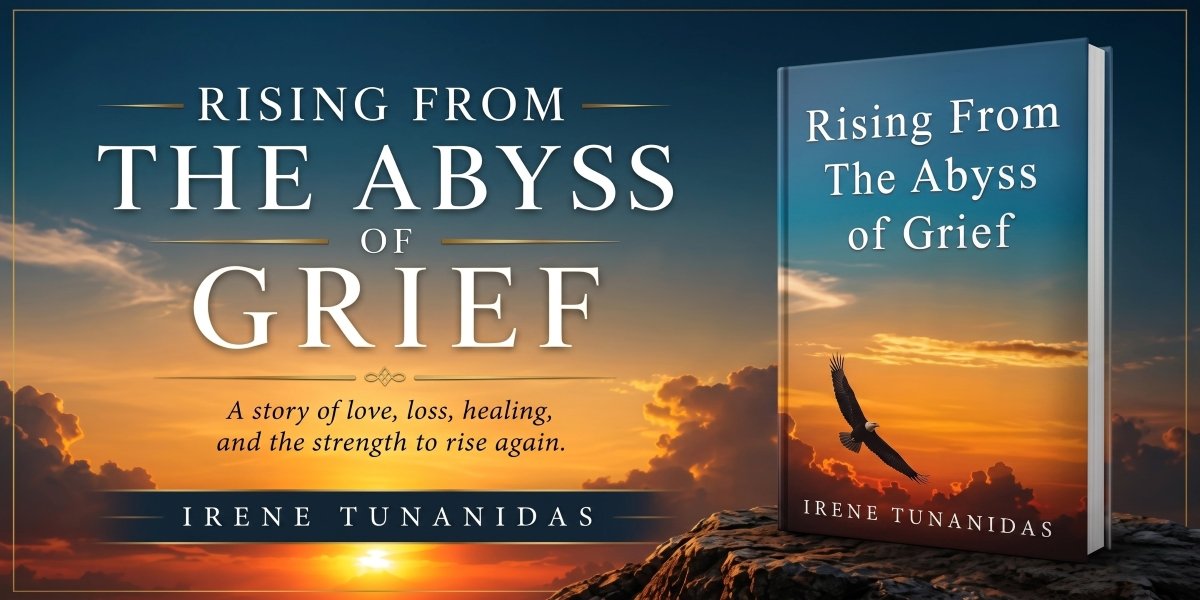
The same directness that made her an effective educator and advocate is on every page. She does not dress up grief as something manageable or faith as something painless. She writes about what both actually require, which is showing up every day, even when you do not feel ready. For anyone who has been handed something difficult and told to handle it gracefully, this book offers a more honest alternative.
Featured on WDTN-TV’s Living Dayton
Irene Tunanidas brought that same directness to a regional television audience this year when she appeared on WDTN-TV’s Living Dayton. She shared her perspective through a sign language interpreter, speaking about her life, her career, and her book with the same lack of performance that has defined everything she has done professionally.
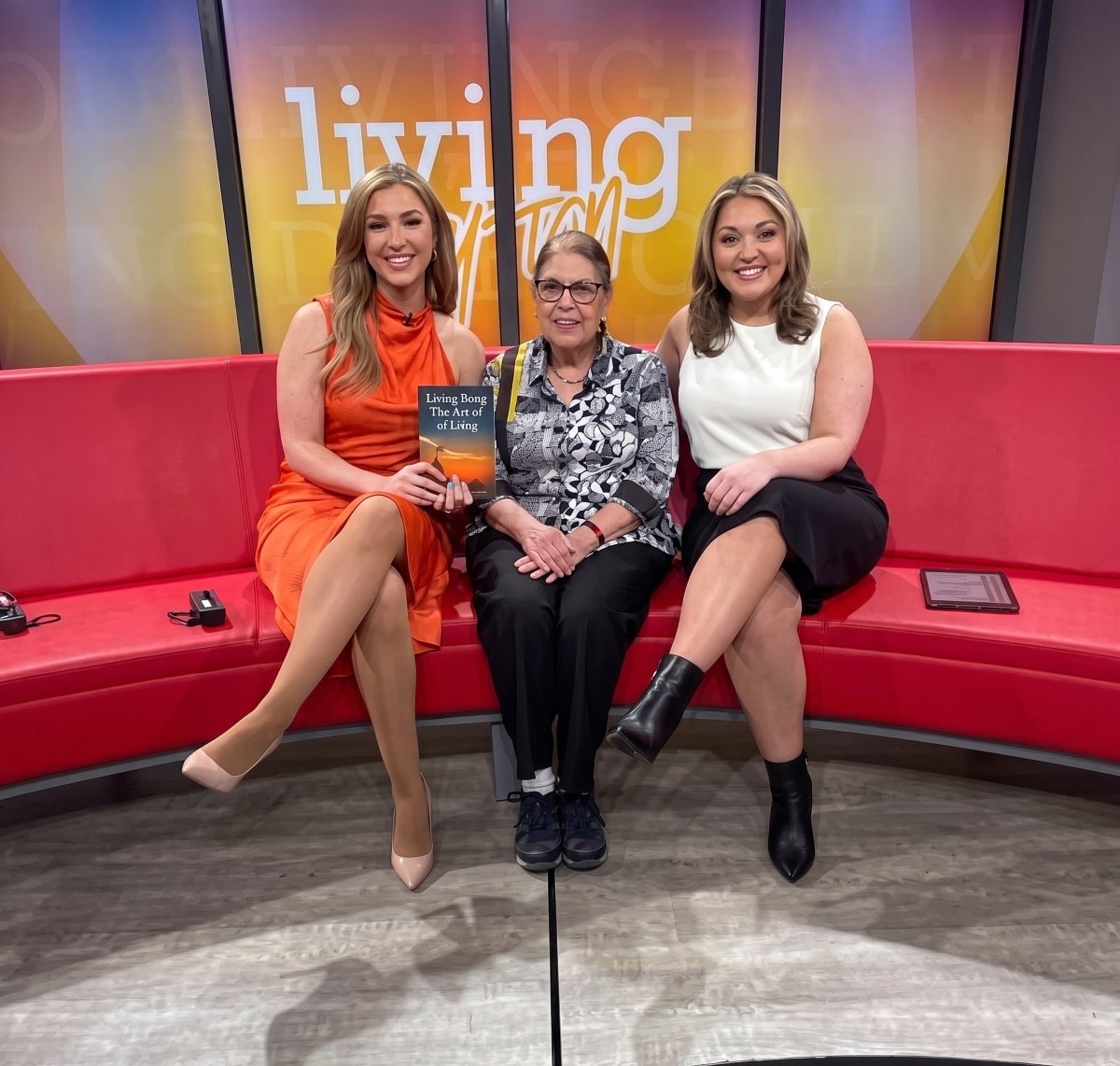
For a woman who has spent fifty years saying things that institutions were not always ready to hear, a television platform is just a larger room for the same conversation. The audience that found her through that segment found what readers of her book find. Someone who has been through enough to speak with real authority, and who is not interested in making it sound easier than it was.
Irene Tunanidas has been having this conversation for fifty years. Rising From the Abyss of Grief is the latest chapter in a life spent refusing to stay quiet about things that matter.