


The global oil market is heading into an uneasy phase. Major energy traders and industry analysts are warning that supply is rising faster than demand across key regions. At the same time, oil use is no longer growing at the pace producers expected just a few years ago. The combination is putting downward pressure on prices and forcing governments, oil companies, and investors to rethink long-term plans.
This isn’t about one temporary dip or a seasonal slowdown. It’s a structural shift driven by new production hotspots coming online alongside slower fuel consumption growth tied to cleaner vehicles and efficiency improvements. For U.S. readers, the effects could show up in everything from gas prices to stock portfolios to energy-sector employment. Understanding how these pieces fit together makes it easier to see why oil traders are using the word “glut.”
Supply Is Surging From New Production Powerhouses
Large oil discoveries are no longer limited to the traditional giants like Saudi Arabia or Russia. Countries such as Brazil and Guyana have become major players almost overnight. Offshore fields in Brazil’s pre-salt zones continue to scale up output, while Guyana’s deepwater projects are expanding faster than almost any other oil development on the planet. These fields have high production potential and relatively low operating costs once the infrastructure is in place.
Oil supply works much like opening more checkout lanes at a store. When only a few lanes operate, lines form, and space remains limited. Open too many lanes while foot traffic stays the same, and capacity goes unused. That’s what’s happening now. More wells are pumping oil into the market even though the number of buyers hasn’t grown at the same speed. Each production ramp-up adds barrels that compete for the same pool of consumers.
U.S. shale continues to add to the pressure. Efficiency improvements allow companies to drill faster and extract more oil from fewer rigs. Producers can respond quickly to price changes, which keeps supply flexible rather than restricted. Instead of cutting back during price dips, some companies push harder to protect revenue, keeping output elevated. The result is a market with far more oil available than expected a few years ago.
Demand Is Losing Momentum Worldwide
On the demand side, growth isn’t disappearing, but it’s slowing. Gasoline usage in many developed countries has flattened as electric vehicles grow more common and cars become more fuel-efficient. Even people still driving gas vehicles are traveling more efficiently thanks to hybrid engines and tighter fuel economy standards.
China, one of the biggest drivers of oil consumption in previous decades, is no longer expanding demand at the same speed. Economic growth has cooled, and electric vehicle adoption there is among the fastest in the world. Fewer new gasoline cars entering the market means future fuel demand won’t climb as much as forecasters once expected. India and parts of Southeast Asia still show rising consumption, yet the increases aren’t large enough to absorb the wave of supply coming from new producers.
Think of demand like appetite at a buffet. Guests are still eating, but nobody wants a second plate anymore. When the kitchen continues sending out food at full speed, tables fill up with uneaten dishes. Oil inventories reflect this same imbalance. Storage levels rise as barrels struggle to find immediate buyers, pushing traders to sell at lower prices to clear supply.
Market Signals Already Show Oversupply
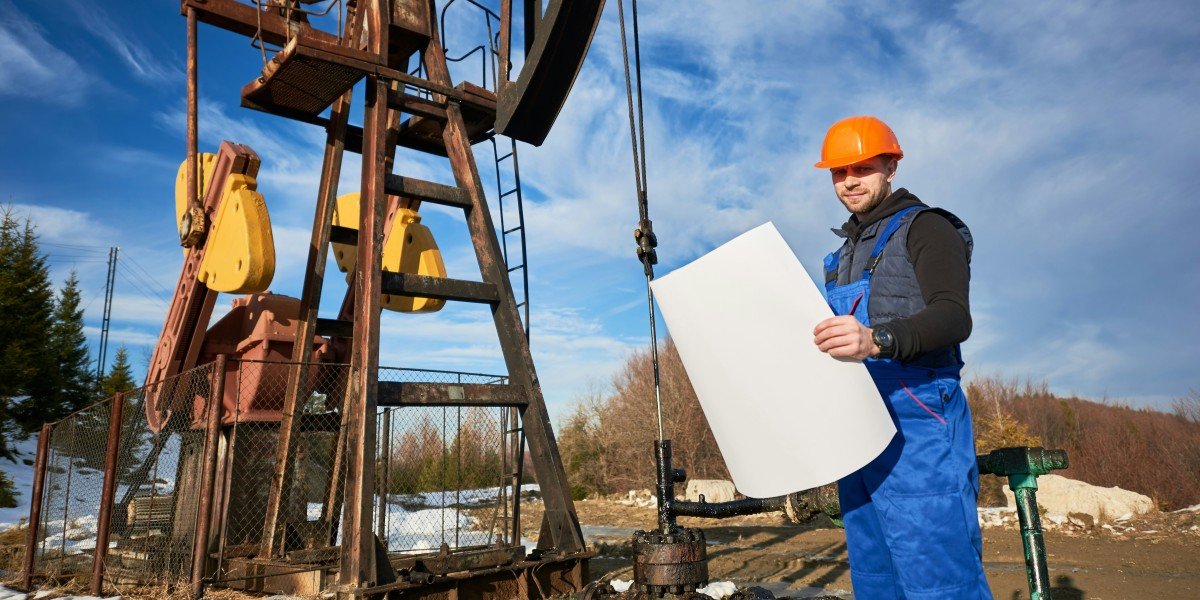
Oil prices tend to react before headlines alone tell the story. Analysts look at market structure, especially how prices for immediate delivery compare to prices for future delivery. When oil is in surplus, future contracts often cost more than current barrels. That pricing pattern reflects excess supply looking for storage space rather than buyers ready to use it.
Recent trends fit that picture. Global crude prices have fallen even as geopolitical tensions remain elevated, which historically would push prices higher. Instead, an abundant supply is outweighing political risk. Traders also report growing volumes of oil sitting in storage tanks and on ships waiting offshore. These floating supplies act as visible confirmation that oil is available beyond immediate consumption needs.
Price weakness feeds back into production strategy. Low prices squeeze budgets for oil exporters and reduce profits for producers. Still, many don’t scale back quickly because shutting down wells can be expensive and risky. That reluctance keeps barrels flowing even in softer pricing environments. The market drifts into a cycle where supply keeps running ahead of demand rather than correcting rapidly.
How Energy Transition Accelerates the Glut
Electric vehicle adoption is changing consumption patterns faster than policymakers once expected. Each EV replaces a gasoline or diesel vehicle that would have consumed hundreds of gallons per year. While EVs still represent a minority of total vehicles in the U.S., sales growth remains steady, especially in urban areas and for fleet operators. Every electric ride share car or delivery vehicle permanently removes a slice of oil demand.
Beyond vehicles, efficiency standards for airplanes, trucks, and industrial equipment reduce fuel consumption per mile or per unit produced. Buildings are becoming more energy-efficient, and alternative fuels are gaining traction in freight shipping and aviation. All of these changes chip away at oil demand margins without eliminating fuel use entirely.
This isn’t a sudden demand collapse. It’s more like a gradual weight loss plan for the global oil appetite. Demand still grows, but at a slower pace. When supply growth is faster than demand trimming, the imbalance expands year by year. Over time, this slow erosion creates sustained oversupply conditions that push oil markets toward glut territory.
Why Oil Exporters Feel the Pain First
Countries that rely heavily on oil exports for government revenue feel the impact of a glut earlier than consumers. Lower crude prices reduce royalties and export income, which then tightens national budgets. Infrastructure projects slow down, public spending gets trimmed, and currencies can weaken as foreign earnings fall.
Some exporters turn to production quotas to stabilize prices. Groups like OPEC coordinate voluntary output cuts to reduce supply and support global pricing. Yet cooperation has limits. Not all producers participate fully, and non-OPEC growth often cancels out agreed reductions. It’s like trying to bail water from a boat while another leak keeps filling it back up.
For countries newly entering major production roles, the pressure is also real. Projects depend on stable pricing assumptions agreed upon before drilling began. A sustained glut threatens the financial models supporting long-term investments. Operators might earn thinner margins or delay planned expansions, though existing wells continue pumping oil to recover sunk costs.
What This Means for U.S. Consumers
American drivers may feel the most obvious impact at the gas pump. Sustained oversupply generally keeps fuel prices under control unless major disruptions occur. For households, that means more predictable energy costs and less inflation pressure tied to gasoline. Lower transport costs also ripple through food distribution and consumer goods pricing.
Yet for states tied to oil production, the effects can be mixed. Texas, North Dakota, and parts of the Gulf Coast depend on drilling activity for jobs and tax revenue. Price weakness can slow new hiring and reduce investment in energy services such as drilling equipment, transportation, and site construction. Some communities experience economic whiplash even while consumers elsewhere enjoy cheaper fuel.
Investors also face shifting terrain. Energy stocks may trade under pressure during prolonged gluts while metals and renewable companies draw capital instead. Retirement accounts tied to energy-heavy index funds can see smaller gains when oil prices lag broader markets.
Why the Glut Won’t Instantly Resolve
Markets don’t rebalance overnight. Oil projects have long timelines. Wells drilled today were planned years ago when prices were higher and demand forecasts were stronger. Those barrels arrive regardless of daily price changes. Once operating, wells rarely shut completely unless losses become extreme.
Demand adjustments are similarly slow. EV adoption takes time. Fleet conversions, charging infrastructure, and consumer habits move steadily but not explosively. Together, these gradual shifts prevent quick correction. Instead, markets adjust over months or years rather than weeks.
This drawn-out process means the oil glut risk isn’t about a sudden crash but a persistent ceiling on prices. Every time prices rise modestly, producers have an incentive to boost output again, limiting sustained recovery. The glut becomes a stabilizing force that caps bullish momentum.
How Policy May Influence Outcomes
Energy policy shapes both supply and demand. U.S. environmental regulations, vehicle efficiency rules, and clean energy subsidies indirectly reduce oil use growth. On the supply side, permitting decisions and regulatory standards affect drilling pace and pipeline expansions. Tighter standards limit project initiation but don’t shut down existing production.
Globally, governments pursue different policies based on national interests. Some exporting nations prioritize revenue even if prices slip, pushing production upward. Others aim for restraint to defend pricing. This uneven strategy contributes to market volatility, keeping the oversupply question unresolved.
Political instability can temporarily disrupt output, yet surplus elsewhere often fills the gap. That safety valve effect means isolated conflicts no longer create lasting shortages the way they once did. Broad supply diversity has changed how shock events play out in pricing.
What the Coming Years May Look Like
Short term pricing is likely to remain choppy, with rallies driven by temporary concerns over weather or geopolitics rather than deep demand growth. Each spike invites new supply responses that pull prices back down. This push and pull dynamic creates a pattern of swings inside a relatively contained price range.
Long term strategies for oil companies now center on diversification. Many invest in natural gas, battery materials, or energy trading operations to balance their exposure. Trading houses profit more from price volatility and arbitrage than from consistently high oil prices alone. That business shift reflects an acceptance that the traditional boom cycle is less reliable going forward.
For consumers, stability equals predictability rather than dramatic relief or crisis. Fuel won’t vanish, nor will it necessarily grow cheaper forever. Instead, prices settle into a restrained band as abundant supply offsets slowing demand growth. Meanwhile, the gradual transition toward electric mobility continues shaping the market from beneath.
Understanding the “super glut” warning simply means recognizing how supply expansion from new producers meets quieter demand growth shaped by cleaner transport and efficiency standards. The balance no longer favors automatic price surges. Instead, the oil market is learning to operate with plenty to go around, even as the world slowly changes how it uses energy.