


By: Sarah Sanderson
Travel has always promised escape, but what many travelers are searching for today is something quieter than escape. Increasingly, people are looking for space. Not just a change of scenery, but a chance to step outside the constant pace of modern life.
That shift is visible across the travel industry. Packed itineraries and high-energy tourism are still popular, but another type of experience has been gaining attention. Travelers are beginning to prioritize trips that allow them to slow down, spend time in nature, and step away from the pressures that dominate everyday routines.
In many cases, the motivation behind that shift is simple exhaustion. Conversations about burnout have become part of everyday life for professionals in many industries. Long hours, digital overload, and constant connectivity have created a sense that people are always “on.” For many travelers, time away from that environment is less about adventure and more about reset.
This is part of the reason wellness-focused travel has continued to grow in recent years. But the meaning of wellness travel is evolving. Early versions of the trend often centered on luxury spas or large group retreats. Increasingly, travelers are looking for experiences that feel more personal, more grounded, and less commercialized.
One of the ways this is showing up is through smaller retreat formats. Instead of large groups and structured schedules, some retreats are intentionally designed for very small numbers of participants. The goal is not to create a spectacle or a performance of wellness, but to create an environment where people have the space to slow down and reflect.
Smaller groups also tend to reduce the social pressure that can sometimes come with larger retreat environments. With fewer participants, the experience can feel less like an event and more like time set aside for personal reflection. That quieter structure appeals to travelers who want distance from noise rather than more activity.
Nature also plays a central role in many of these experiences. Time spent outdoors has long been associated with relaxation and perspective, and many travelers report that simply being in a natural environment can help shift their sense of pace. Mountains, forests, and wildlife environments often provide a stark contrast to the constant stimulation of modern urban life.
Thailand has become one of the destinations where this type of travel experience is increasingly visible. The country already has a reputation for mindfulness traditions, slower rhythms of life in rural areas, and a landscape that naturally invites reflection. At the same time, Thailand is closely connected to conversations about elephant tourism, which has made ethical considerations an important part of the discussion.
Not every venue that advertises itself as a sanctuary actually prioritizes animal welfare, and responsible travelers are increasingly aware of that distinction. As a result, many visitors now look carefully at how animals are treated and whether a venue allows them to live with greater autonomy and natural behavior.
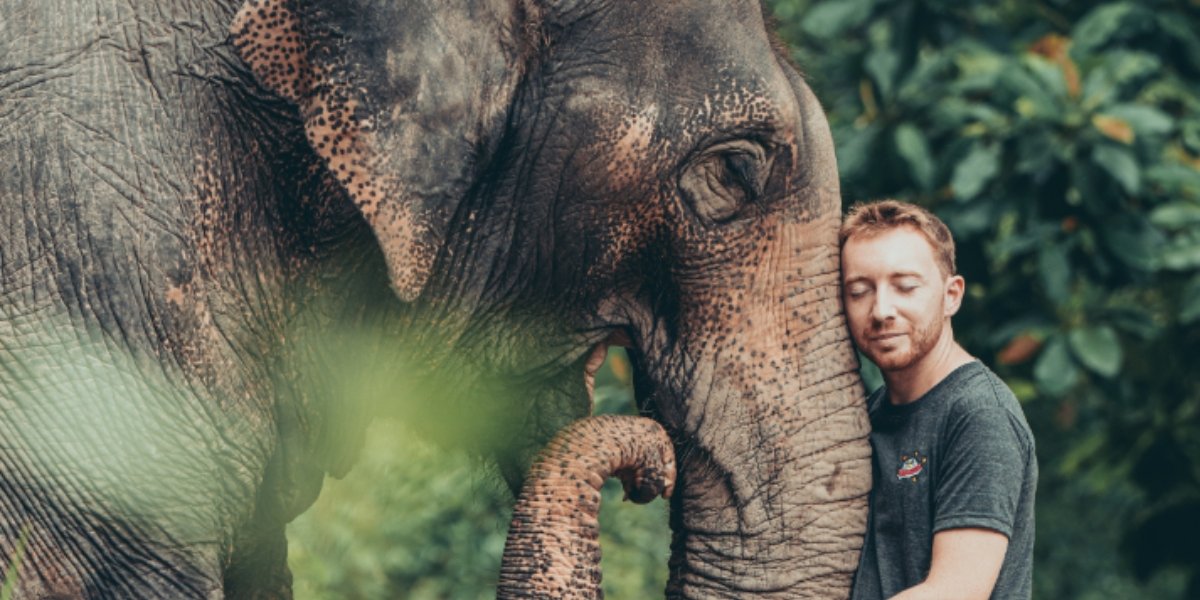
This wider awareness has influenced how some retreat experiences are structured. Retreat facilitator Baptiste Excelsia leads small retreats in Northern Thailand that take place within an ethical elephant sanctuary environment. According to his biography, the retreats are intentionally limited to just three participants at a time.
That format is designed to keep the experience intimate and reflective rather than crowded or program-driven. Instead of a packed schedule of activities, participants spend time in a natural setting that encourages observation, quiet conversation, and time away from everyday distractions.
Excelsia’s own journey into this work began with a turning point that many people can recognize. After experiencing the burnout and disconnection that often accompany high-pressure professional environments, he chose to shift his life toward facilitating retreat experiences that help participants reconnect with their inner truth and feel fully alive again.
Stories like this resonate because they mirror a broader cultural conversation. Many people are reassessing the role that constant productivity plays in their lives. While few are able or willing to leave their careers behind entirely, many are interested in finding ways to step outside that pace, even temporarily.
Retreats that emphasize simplicity rather than spectacle are one response to that desire. Instead of promising dramatic transformation, they offer something quieter: time away from constant demands, a slower rhythm of life, and the opportunity to experience a different environment.
For travelers, the appeal of that approach is often straightforward. It offers a chance to disconnect from the pressures that define everyday routines and reconnect with something more grounded, whether that means nature, reflection, or simply a break from constant noise.
As travel continues to evolve, experiences built around authenticity, ethics, and smaller group settings may become increasingly attractive to people seeking a different kind of journey. Not necessarily a cure for the stresses of modern life, but a rare opportunity to pause, reflect, and return home with a clearer perspective.