

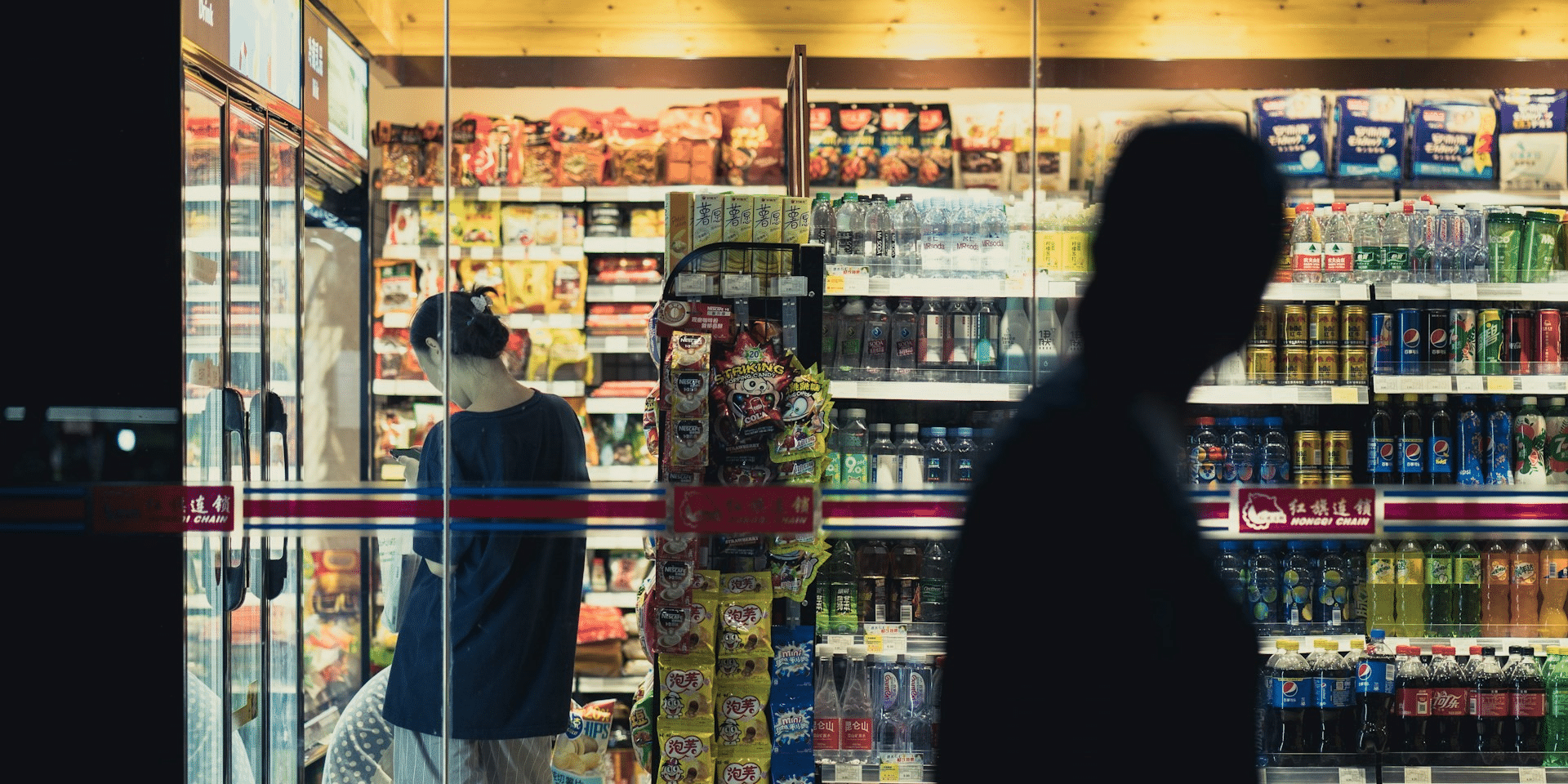
Small convenience stores thrive globally because they sell the one thing modern consumers are running out of: time. By positioning themselves exactly where people live, work, and commute, these “mini-markets” remove the friction of the traditional grocery trip, which often requires a car and an hour of wandering through aisles. As urbanization increases and household sizes shrink, the convenience store has transitioned from a place to grab an emergency gallon of milk to a high-quality neighborhood kitchen and a digital hub. They essentially offer an “essential-only” inventory that eliminates decision fatigue, providing a curated experience that matches the fast-moving pace of life in 2026.
The “Foodvenience” Revolution
The biggest shift in the industry over the last few years is the rise of what experts call “foodvenience.” No longer satisfied with a pre-packaged sandwich or a lukewarm hot dog, shoppers now expect fresh, chef-quality meals. In places like Japan and South Korea, convenience stores, or “konbini,” are already legendary for their gourmet offerings, ranging from high-end sushi to hot ramen and seasonal bento boxes.
Tiffany Fraley, CEO of InConvenience Inc., notes that the most successful operators are the ones who stop trying to be a smaller version of a grocery store. “The operators who stand out are the ones who do it in a way that feels true to them, creating experiences that match their brand and their community,” she explains. In the United States, this trend is visible in the expansion of fresh-prepared food programs, which now account for a significant portion of store revenue. Instead of being a last resort, the corner store is becoming a primary destination for breakfast and lunch.
Why Urban Living Demands Small Formats
As the global population shifts toward cities, the traditional big-box supermarket becomes less practical. High-density living often means smaller kitchens and less storage space, leading to a “shop for today” mentality rather than a weekly bulk buy. This behavior is particularly strong among young professionals and single-person households who prioritize speed and simplicity over the lower unit prices of a warehouse club.
Data from the National Association of Convenience Stores (NACS) shows that 70% of customers purchase a snack or beverage during their visit, and nearly half of those people are looking for a quick bridge between meals. This “on-the-go” consumption is the primary driver for the global market, which was valued at roughly $1.46 trillion in 2025 and is projected to reach $1.8 trillion by 2033.
Global Density and Consumer Reach
The popularity of these stores is best measured by their density. In parts of Asia, you can often stand on a street corner and see three different convenience brands at once. This proximity is a core part of their psychological appeal; if a store is within a five-minute walk, it effectively becomes an extension of the consumer’s own pantry.
| Country | Store Density (People per Store) | Key Market Driver |
| South Korea | 1,452 | High urbanization and single-person households. |
| Taiwan | 2,222 | Integration of bill payments and government services. |
| Japan | 2,248 | Cultural reliance on fresh, 24/7 food availability. |
| United States | 2,100 | Proximity to fuel stations and growing food services. |
The Invisible Engine: Tech and Automation
To keep up with the demand for speed, convenience stores are becoming some of the most tech-heavy environments in retail. The use of AI-powered self-checkout and “grab-and-go” technology, where cameras track what you pick up and bill you automatically, is moving from a novelty to an industry standard.
By 2026, self-checkout transactions are expected to make up nearly 40% of all retail transactions globally. This shift is not just about saving on labor costs; it is about reducing the one thing that kills convenience: the line. Patrick Mitchell-Fox, an insight partner at IGD, points out that the convenience channel is facing a future of mixed fortunes, where retailers must adapt to how technology impacts a store-by-store basis. Those who use predictive analytics to ensure the right fresh food is ready at the right hour are the ones winning the loyalty of the time-crunched shopper.
Beyond Snacking: The New Community Hub
Convenience stores are also expanding their roles to stay relevant in a changing world. Many locations are now adding Electric Vehicle (EV) charging stations, transforming the “gas station” model into a place where you can sit, use high-speed Wi-Fi, and eat a healthy meal while your car recharges.
In many neighborhoods, these stores also serve as essential service centers. In Hong Kong and Taiwan, residents use their local 7-Eleven to pay utility bills, pick up government documents, or send and receive packages. This multi-purpose approach makes the store an indispensable part of daily life, far beyond just selling snacks.
The global appeal of the small convenience store lies in its ability to adapt faster than any other retail format. Whether it is responding to a health-and-wellness trend by stocking organic protein shakes or using AI to optimize delivery routes for home service, these stores are experts at spotting small shifts in how we live.
As long as people continue to move into cities and value their free time, the local corner store will continue to grow. It is no longer just a place to buy a soda; it is the physical manifestation of a society that wants everything right now, right around the corner.