
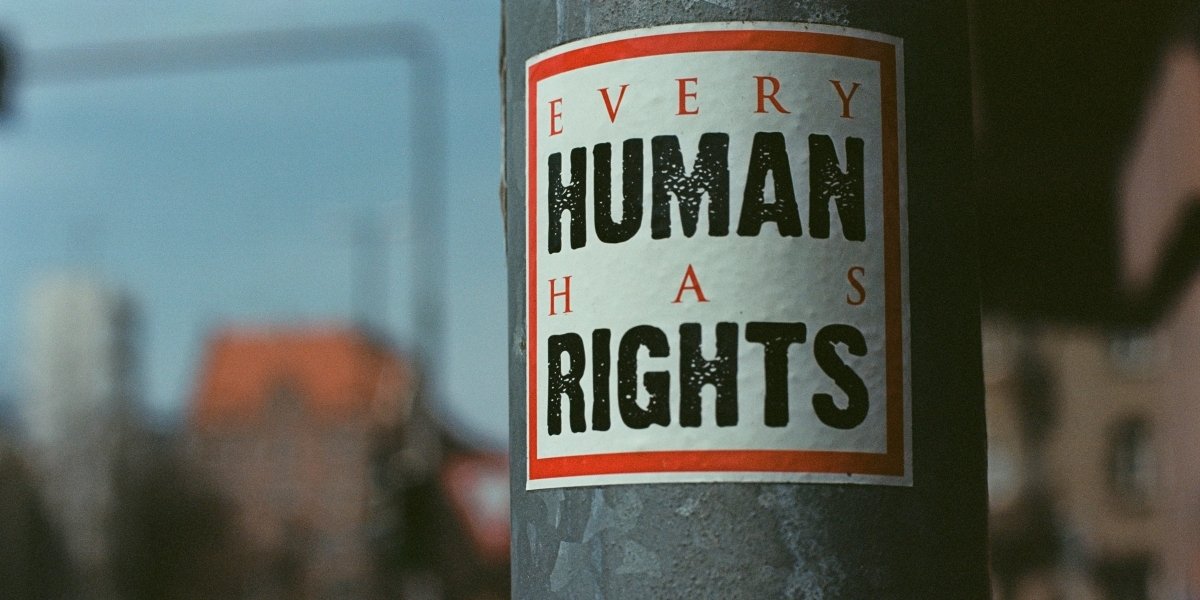
Every year on February 20, the world stops to think about fairness. This date marks the World Day of Social Justice, a time when the United Nations and its member countries look at how to make life better for everyone. In 2026, the focus is not just on making promises, but on actually doing the work. This shift comes after a major meeting in late 2025 called the Second World Summit for Social Development, where leaders signed the Doha Political Declaration. This document is like a new guidebook for the world to follow as it tries to fix big problems like poverty and lack of healthcare.
A New Guide for Global Equality
The Doha Political Declaration is a big deal because it updates a plan that was first made thirty years ago in Copenhagen. Back then, leaders agreed that social development should be at the heart of how countries grow. In Doha, leaders said that this goal is even more important today. They identified three main areas to work on: ending poverty, making sure people have good jobs, and making sure no one is left out of society. The goal is to move from just talking about these ideas to showing real results that people can see in their daily lives.
Junhua Li, who is the Under-Secretary-General for Economic and Social Affairs at the United Nations, spoke about this challenge during a recent gathering. He noted that while the declaration is a great statement of purpose, words are not enough. According to Li, “The true measure of any declaration is the action that follows.” He believes that the world is still far from a place where everyone has dignity and freedom, and that governments must work harder to close the gap between their promises and the reality that people face.
Achieving Universal Health Coverage
One of the biggest goals of this new plan is to provide universal social health insurance. This means making sure that everyone can go to the doctor or get medicine without having to worry about the cost. In many parts of the world, especially in Asia, this is a major challenge. Many people work in informal jobs, such as selling goods on the street or working in small shops. These workers often do not have access to the same health benefits that people in large offices do. Right now, about 40 percent of the people in the Asia-Pacific region have no financial protection when they get sick.
To help solve this, international groups like the International Labour Organization are working with local universities. For example, they recently held a major webinar with Mahidol University in Thailand to share the best ways to provide health insurance to everyone. They are looking at how technology and new laws can help reach people who have been ignored in the past. By sharing what works in one country, they hope to help other countries build better systems. This is a clear example of how the Doha Political Declaration is being put into practice.
Mapping the Road to Progress
Amina Mohammed, the Deputy Secretary-General of the United Nations, also highlighted how important it is to keep moving forward. She compared the global agreements to a map that shows where the world needs to go. During a meeting for the Commission for Social Development, she said, “If Copenhagen, Doha and the 2030 Agenda are where we drew the map, then the Commission for Social Development sets us on the road.” This means that the work being done now is what actually moves the world toward its goals.
The 2026 theme for this special day is Renewed Commitment to Social Development and Social Justice. This theme reminds everyone that progress is not something that happens once and stays forever. It requires constant effort. For instance, even though many countries have seen their economies grow, the gap between the rich and the poor is still getting wider in many places. In some regions, young people and women find it much harder to get decent work or to go to school. The UN is pushing for policies that put people at the center of the economy, rather than just focusing on making more money.
Technology as a Tool for Inclusion
Technology is playing a huge role in this effort. While some people worry that things like artificial intelligence might take away jobs, the UN sees it as a tool that can actually help. For example, digital platforms can make it easier for workers in the informal economy to sign up for insurance or to get training for new skills. In Asia, some countries are already using mobile apps to help farmers and small business owners manage their health benefits. This shows that globalization and new tech can be used to lift people up instead of leaving them behind.
The road ahead is not easy, especially with all the tension in the world right now. Geopolitical conflicts and climate change make it harder for countries to work together and to find the money needed for social programs. However, the message from the United Nations this year is one of hope and persistence. They believe that by sticking to the plan laid out in the Doha Political Declaration, the world can build a more stable and peaceful future. Social justice is not just a nice idea; it is the foundation for a world where people can live without fear.
As the 2026 World Day of Social Justice continues, the focus remains on the people who are often forgotten. This includes migrants, people with disabilities, and the elderly. By making sure these groups are included in every new policy, governments can ensure that no one is left behind. The journey from the meeting rooms in Doha to the streets of small towns across the globe is long, but with a clear map and a strong commitment, it is a journey that the international community is ready to take.