

China’s economy grew 4.5% year on year in the third quarter of 2026, the National Bureau of Statistics reported October 19, up from 4.3% in the second quarter. Growth for the first nine months reached 4.6%, within the government’s 4.5% to 5% target, as exports and high-tech manufacturing outpaced weak domestic demand.
Key Takeaways
- Third-quarter GDP grew 1.2% from the previous quarter, and the 4.5% annual rate came in above economists’ forecast of 4.4%.
- Output for January through September reached 107.1 trillion yuan, about $15.94 trillion.
- Exports rose 16.4% in yuan terms over the first three quarters, and September exports jumped 29.6%.
- Real estate development investment fell 20.6%, and total fixed-asset investment declined 7.2%.
- Retail sales of consumer goods grew 1.1%, while retail sales of services rose 5.0%.
- The urban surveyed unemployment rate averaged 5.2%, unchanged from a year earlier.
China GDP 2026 Rebounds From A Three-Year Low In The Second Quarter
The third-quarter figure reverses part of a midyear slowdown. China’s GDP grew 5.0% in the first quarter of 2026 before falling to 4.3% in the second, the weakest pace in about three years. The 4.5% reading for July through September edged past the 4.4% consensus forecast and brought nine-month growth to 4.6%.
That result keeps China within its annual target range of 4.5% to 5%, though near the bottom of it. The world’s second-largest economy generated about 107.1 trillion yuan in output during the first three quarters, with services contributing the largest share at 62.8 trillion yuan, up 5.2% from a year earlier.
China Exports Carry Growth As Factories Move Up The Value Chain
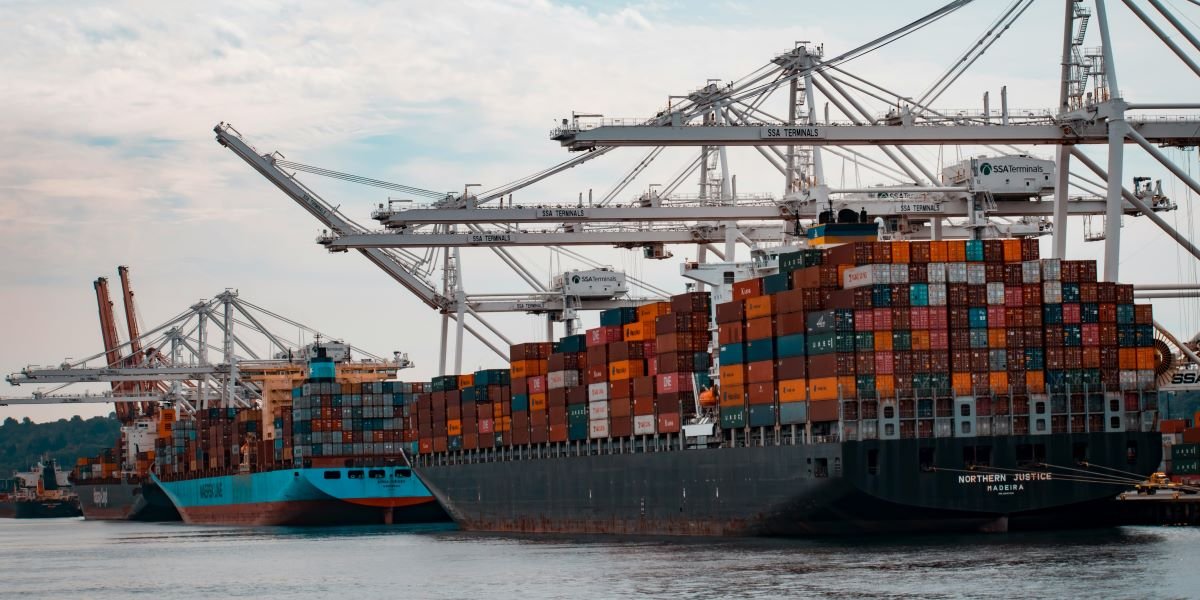
Trade was the strongest part of the latest China economy news. Exports of goods totaled 23.2 trillion yuan in the first nine months, up 16.4% in yuan terms, and accelerated sharply in September with a 29.6% increase. Imports rose 22.3%, showing that China’s purchases from abroad also grew. Mechanical and electrical products accounted for 64.3% of all exports.
The industrial data shows where that export strength comes from. Value added in high-tech manufacturing rose 14.3% and equipment manufacturing grew 10.2%, both well above the 5.3% pace for industry overall. Output of 3D printing devices grew 62.5%, lithium-ion batteries 39.5% and industrial robots 29.1%. Factory-gate prices are also rising, with producer prices up 5.0% year on year in September.
Domestic Demand Remains The Weak Link In China’s Economy
Household spending tells a different story from the factory floor. Retail sales of consumer goods grew 1.1% in the first three quarters, and goods spending in urban areas rose only 0.9%. Services spending performed better, growing 5.0%, led by communication, travel and leisure services.
Prices point to the same soft demand. Consumer prices rose 0.9% over the nine months, and core inflation, which excludes food and energy, rose 1.1%. Per capita disposable income grew 4.4% in real terms. The National Bureau of Statistics acknowledged the imbalance in its release, noting that the international environment is complex and volatile and that insufficient domestic demand remains a prominent problem.
China Property Market Data Shows A Deepening Contraction
Real estate remains the deepest drag. Investment in property development fell 20.6% in the first three quarters, and the floor area of newly built commercial buildings sold dropped 13.2%, with sales value down 13.9%. One exception is the second-hand market, where the floor area of online transactions grew 10.7%.
The property slump weighs on overall investment. Fixed-asset investment fell 7.2%, or 4.2% when real estate is excluded, and private investment declined 10.4%. Investment in intellectual property products, which includes software and research and development, was a bright spot, rising 9.3%.
What A Two-Speed Chinese Economy Means For The World
The pattern in the data matters well beyond China’s borders. When factory output and exports grow faster than domestic consumption, more of what China produces is sold abroad. That places China’s trading partners at the center of its growth story, as buyers of its machinery, electronics and batteries, and as suppliers, given that imports also rose more than 22%.
The rise in producer prices adds another dimension. Purchasing prices for industrial producers climbed 6.9% year on year in September, and producer prices for finished industrial goods rose 5.0%, a shift that can affect the cost of goods moving through global supply chains. These figures arrive as policymakers weigh the global picture laid out in the IMF’s October 2026 World Economic Outlook.
Jobs And Incomes Hold Steady Through The Third Quarter
The labor market showed little change. The urban surveyed unemployment rate averaged 5.2% over the first three quarters and dipped to 5.2% in September from 5.3% in August. The number of rural migrant workers reached 192.7 million, up 0.4%. Rural household incomes grew 5.6% in real terms, faster than urban incomes at 3.6%, narrowing the urban-rural income ratio to 2.39.
FAQs
What Is Happening To China’s Economy Right Now?
China’s economy grew 4.5% in the third quarter of 2026 and 4.6% over the first nine months. Exports and high-tech manufacturing are growing quickly, while consumer spending and property investment remain weak.
What Is The Current Economic Situation In China?
Growth is within the government’s 2026 target, but uneven. Exports rose 16.4% over nine months, while retail sales of goods grew 1.1% and property development investment fell 20.6%.
Is China In A Recession?
No. Official data shows China’s economy grew 4.5% year on year and 1.2% quarter on quarter in the third quarter of 2026. The National Bureau of Statistics has flagged insufficient domestic demand as a continuing concern.
What Is China’s GDP In 2026 So Far?
China’s GDP for the first three quarters of 2026 reached 107.1 trillion yuan, about $15.94 trillion, up 4.6% year on year at constant prices.
What Is China’s Economic Growth Target For 2026?
China’s growth target for 2026 is a range of 4.5% to 5%. Nine-month growth of 4.6% keeps the economy within that range.