

Kyoto’s Historical Significance
Kyoto served as Japan’s imperial capital for more than a thousand years, from 794 to 1868. During this period, it became the center of politics, culture, and religion, leaving behind a legacy that continues to shape the city today. According to Advantour, Kyoto is home to 17 UNESCO World Heritage Sites, including temples, shrines, and gardens that reflect centuries of craftsmanship and devotion.
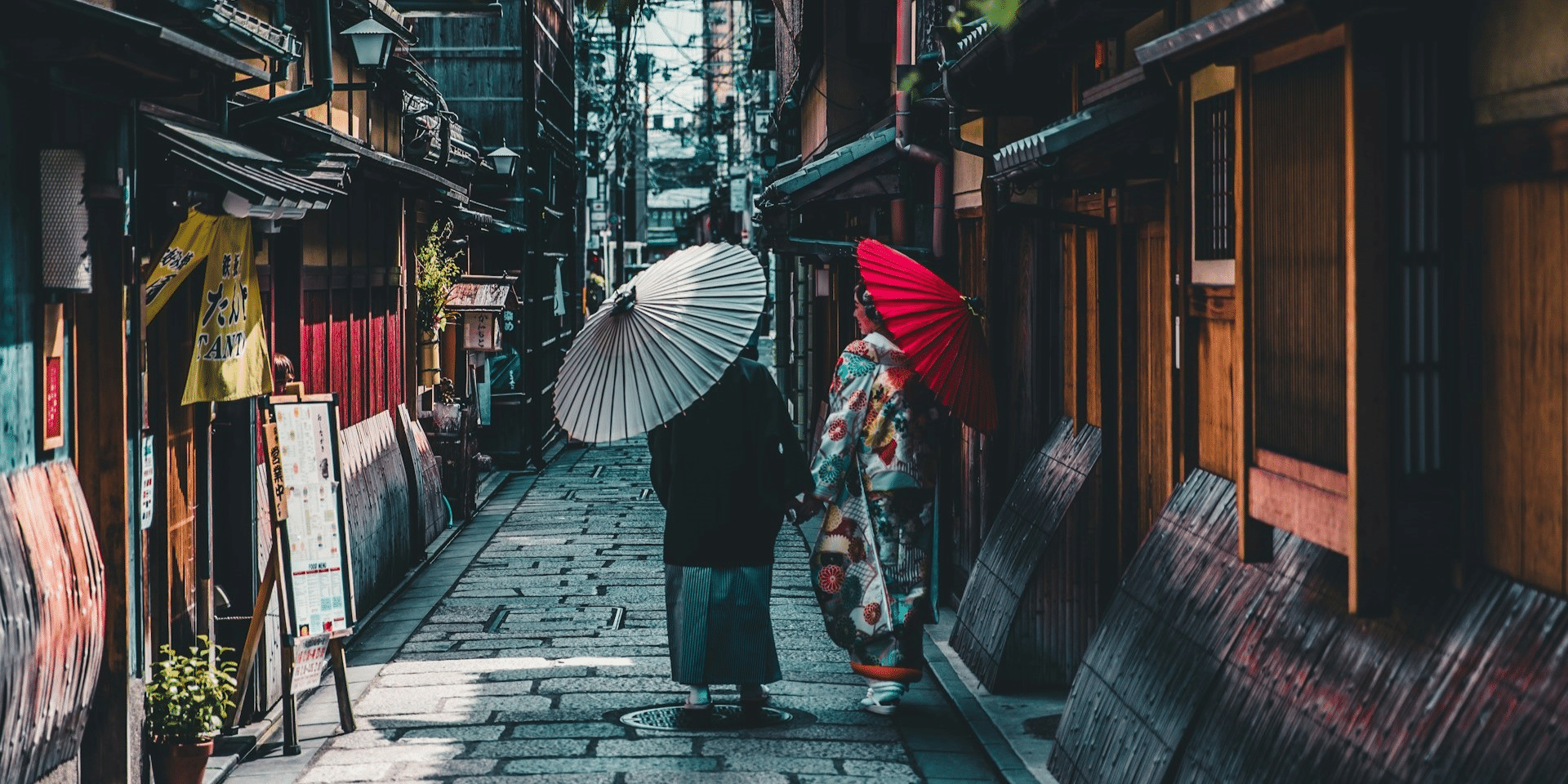
The city’s long history is visible in its architecture. Wooden temples with sweeping roofs, stone gardens designed for meditation, and traditional townhouses known as machiya all contribute to Kyoto’s unique character. These structures are not only preserved as historical monuments but also remain part of daily life, blending past and present.
Kyoto’s role as a cultural capital has also influenced Japanese art and literature. Many of the country’s most celebrated works, from classical poetry to tea ceremony traditions, originated or flourished here, reinforcing its reputation as Japan’s cultural heart.
Temples and Shrines
Kyoto is often described as a city of temples, with more than a thousand scattered across its districts. Among the most famous is Kiyomizu‑dera, a wooden temple built without nails, offering panoramic views of the city. The Nihon Now guide highlights Kiyomizu‑dera as a must‑see, alongside Fushimi Inari Shrine, known for its thousands of red torii gates winding up a mountainside.
These sites are not only tourist attractions but also active places of worship. Visitors often see monks conducting rituals or locals offering prayers, reminding them that these landmarks remain part of living traditions. This continuity gives Kyoto’s temples and shrines a sense of authenticity that resonates with both residents and travelers.
Smaller temples and neighborhood shrines also contribute to the city’s atmosphere. Many are tucked away in quiet alleys or surrounded by gardens, offering peaceful spaces for reflection away from the busier districts.
Seasonal Beauty
Kyoto is renowned for its seasonal beauty, with each time of year offering a different experience. Spring brings cherry blossoms, drawing visitors to parks and temple grounds where the trees bloom in soft pink. Autumn transforms the city with vibrant red and gold foliage, particularly in temple gardens and mountain areas.
Summer highlights include festivals such as Gion Matsuri, one of Japan’s most famous celebrations, featuring elaborate floats and traditional performances. Winter, though quieter, offers its own charm, with snow occasionally blanketing temple roofs and gardens, creating serene scenes.
The Eitaro Blog Kyoto Travel Guide notes that seasonal changes are central to Kyoto’s identity. Many cultural practices, from tea ceremonies to poetry, reflect the appreciation of nature’s cycles, making each visit unique depending on the time of year.
Traditional Arts and Crafts
Kyoto is also known for its traditional arts and crafts, many of which have been practiced for centuries. Kimono weaving, lacquerware, and ceramics are among the city’s specialties, with workshops and galleries offering opportunities to see artisans at work.
The tea ceremony, or chanoyu, is another cultural practice deeply tied to Kyoto. Rooted in Zen philosophy, it emphasizes mindfulness, simplicity, and respect. Visitors can participate in tea ceremonies at temples or tea houses, gaining insight into Japanese aesthetics and values.
These traditions are not only preserved but also adapted for modern audiences. Contemporary designers often draw inspiration from Kyoto’s crafts, blending old techniques with new ideas, ensuring that the city’s cultural heritage remains relevant.
Food and Culinary Traditions
Kyoto’s cuisine reflects its history and geography. Known as Kyo‑ryori, it emphasizes seasonal ingredients and delicate flavors. Dishes such as kaiseki, a multi‑course meal originally developed for tea ceremonies, showcase the artistry of Japanese cooking.
Vegetarian Buddhist cuisine, or shojin ryori, is another specialty, often served at temple lodgings. It highlights tofu, vegetables, and mountain herbs, prepared with care to reflect spiritual values of balance and respect for nature.
Street food and casual dining also play a role in Kyoto’s culinary scene. Markets such as Nishiki offer local specialties, from pickles to sweets, giving visitors a chance to experience everyday flavors alongside refined dining traditions.
Modern Kyoto
While Kyoto is celebrated for its history, it is also a modern city with a population of over two million. Contemporary architecture, shopping districts, and universities contribute to its dynamic character. This blend of old and new is part of what makes Kyoto distinctive.
Technology and tradition coexist in daily life. Visitors may see a centuries‑old temple next to a modern café, or young people in traditional kimono taking photos with smartphones. This juxtaposition reflects Kyoto’s ability to honor its past while embracing the present.
The city also plays a role in global culture. From fashion inspired by kimono patterns to culinary trends rooted in Japanese cuisine, Kyoto continues to influence beyond Japan’s borders.
Practical Considerations for Visitors
Kyoto is accessible by train, with the Shinkansen connecting it to Tokyo in just over two hours. Within the city, buses and subways provide convenient transportation, though many districts are best explored on foot or by bicycle.
Accommodation options range from traditional inns, known as ryokan, to modern hotels. Staying in a ryokan offers the chance to experience tatami rooms, futon bedding, and traditional meals, adding cultural depth to a visit.
The city is considered safe and welcoming, with clear signage and services for international visitors. According to Advantour, Kyoto’s tourism infrastructure is well developed, making it approachable even for first‑time travelers to Japan.
Outlook for Kyoto as a Timeless City
Kyoto’s enduring appeal lies in its ability to balance tradition with modernity. Its temples, gardens, and cultural practices connect visitors to centuries of history, while its modern amenities ensure comfort and accessibility.
The city continues to adapt, offering new experiences while preserving its heritage. Seasonal festivals, evolving culinary traditions, and contemporary art all contribute to its ongoing vitality.
For travelers, Kyoto represents both continuity and discovery. Each visit reveals new layers of history, culture, and beauty, reinforcing its reputation as Japan’s timeless city.