
Rising global temperatures are slashing labor capacity across outdoor industries, with heat stress workplace productivity losses now measurable in every region. Construction workers, agricultural laborers, and factory employees in open-air or poorly ventilated facilities face shortened shifts, increased errors, and mounting health risks as extreme heat becomes routine rather than exceptional. The combination of physiological limits, safety regulations, and economic incentives is forcing industries to rethink how, when, and where physical work gets done.
Key Takeaways
- Agriculture, construction, and manufacturing face the steepest heat-related productivity losses because tasks require sustained outdoor physical exertion during peak daytime temperatures.
- High humidity in coastal regions and extreme dry heat inland each impose distinct physiological challenges, with wet-bulb temperatures above 28 degrees Celsius making strenuous work dangerous within minutes.
- Shift adjustments to early morning and late afternoon, along with shade structures and mechanization, represent the most common employer responses, though costs and logistical barriers limit adoption.
- South Asia, sub-Saharan Africa, and the Middle East face compounding vulnerabilities due to large outdoor workforces, limited cooling infrastructure, and baseline temperatures already near human physiological limits.
- Long-term economic implications include supply-chain relocations, rising labor costs, increased migration pressures, and growing workers’ compensation premiums as heat stress becomes a structural constraint.
Heat stress occurs when the body can’t cool itself quickly enough, leading to fatigue, confusion, and in severe cases organ failure. Manual labor accelerates the process because physical exertion generates metabolic heat. What once affected only tropical regions during summer now extends into temperate zones and stretches across more months of the year, creating a structural challenge for any sector that relies on human muscle outdoors or in non-climate-controlled spaces.
Which Industries Face the Steepest Losses?
Agriculture bears the brunt. Harvesting, planting, and livestock tending all require sustained physical effort during daylight hours, precisely when heat peaks. Delays in picking ripe crops can cascade into spoilage and revenue loss, yet pushing workers beyond safe thresholds invites both acute injury and long-term health costs. Farms in regions like Southeast Asia, Central America, and parts of the Mediterranean already adjust schedules around midday heat, compressing work into early morning and late afternoon windows.

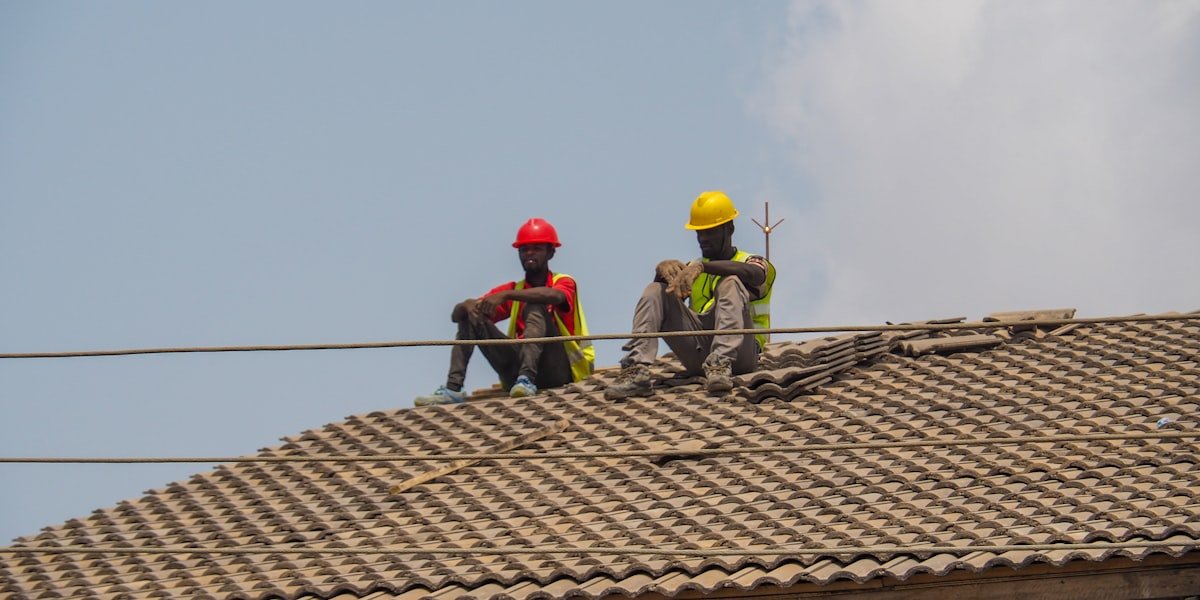
Construction ranks close behind. Road crews, roofers, and concrete pourers work in direct sun with minimal shade, and tasks like laying asphalt or mixing cement can’t easily shift to cooler hours because materials cure on a fixed timetable. Project delays multiply costs, and contractors face liability if workers collapse on-site. Manufacturing with open-sided warehouses or outdoor assembly lines encounters similar bottlenecks, particularly in automotive, shipbuilding, and heavy equipment sectors.
Service industries aren’t immune. Delivery drivers, street vendors, event staff, and sanitation workers all log hours outdoors. Tourism-dependent economies see guides, groundskeepers, and transport operators curtail activities during heat waves, shrinking both earnings and visitor satisfaction. The cumulative drag on gross domestic product becomes visible when entire workforces lose productive hours simultaneously.
How Does Heat Reduce Worker Capacity?
Core body temperature rises during exertion, and the body sheds heat through sweat evaporation, convection, and radiation. High ambient temperature and humidity choke those pathways. When wet-bulb temperature climbs above roughly 28 degrees Celsius, even resting in shade becomes insufficient for cooling, and strenuous work pushes the body into dangerous territory within minutes.
Cognitive function deteriorates before physical collapse. Reaction times slow, decision-making falters, and accident rates climb. A roofer misjudging a step or a farmworker skipping hydration breaks translates into emergency-room visits and workers’ compensation claims. Employers face a choice between enforcing rest breaks that cut output or accepting higher injury costs and potential lawsuits.
Acclimatization helps but has limits. Workers gradually tolerate higher temperatures over a week or two as their cardiovascular systems adapt, but acclimatization resets after a few days away from heat. Seasonal laborers arriving mid-summer or employees returning from leave remain vulnerable. Age, fitness, medications, and underlying health conditions further constrain individual heat tolerance, making uniform work schedules impractical.
What Strategies Are Employers Adopting?
Shift adjustments represent the most common response. Starting work at dawn and pausing during peak afternoon heat preserves output while reducing risk. Some farms now run night shifts under artificial light for tasks like harvesting leafy greens, though energy costs and logistics complicate the model. Construction firms stagger trades so heat-intensive work happens early and less strenuous tasks fill midday slots.
Engineering controls offer another avenue. Shade structures, misting fans, and reflective tarps lower local temperatures by several degrees. Mechanization replaces human labor where capital investment pencils out, though many agricultural and construction tasks resist full automation due to terrain, crop variation, or project uniqueness. Portable cooling vests and hydration stations help at the margins but don’t eliminate core thermal stress during sustained exertion.
Regulatory frameworks are tightening. Occupational safety agencies in several countries now mandate rest breaks, access to water, and temperature monitoring above certain thresholds. Enforcement remains uneven, particularly in informal economies where labor protections are weak and workers lack bargaining power. Employers weigh compliance costs against fines, reputational damage, and the long-term availability of healthy workers.
How Do Global Regions Differ in Vulnerability?
South Asia and sub-Saharan Africa face compounding pressures. Large agricultural workforces, limited access to cooling infrastructure, and baseline temperatures already near physiological limits leave little buffer. Smallholder farmers and daily-wage laborers often can’t afford to skip work, even when conditions turn hazardous. Urbanization concentrates heat through concrete and asphalt, raising temperatures in slums and informal settlements where outdoor piecework is common.
The Middle East confronts extreme peaks. Outdoor construction in Gulf states halts during summer afternoons under labor laws, but enforcement gaps persist, and migrant workers in lower-wage tiers remain exposed. Investment in climate-controlled facilities and automation is rising, yet retrofitting entire cities and industrial zones takes decades and vast capital.
Temperate zones once insulated by cooler climates now see heat waves that would have been rare a generation ago. Europe’s agricultural belt, the central United States, and parts of East Asia experience multi-week stretches above historical norms, catching industries unprepared. Infrastructure designed for milder summers lacks adequate ventilation, and labor contracts don’t always include heat-specific protections. The International Labour Organization highlights that even wealthy economies lose productivity when heat stress outpaces adaptive capacity.
Are Coastal and Inland Areas Equally Affected?
Humidity magnifies coastal heat stress. A 35-degree day with high humidity feels more oppressive and dangerous than a 40-degree day in arid conditions because sweat doesn’t evaporate as effectively. Fishing, port operations, and coastal agriculture face the twin challenges of high temperature and moisture. Inland deserts impose extreme dry heat, dehydrating workers rapidly and making shade and water access critical.
What Are the Long-Term Economic Implications?
Chronic productivity losses reshape competitive advantage. Countries with cooler climates or greater capacity to invest in cooling infrastructure may attract industries that once clustered in lower-wage, warmer regions. Supply chains reliant on heat-vulnerable geographies face growing unreliability, prompting manufacturers to diversify sourcing or relocate production. Labor costs rise as employers pay premiums for early shifts, provide additional breaks, or invest in protective equipment.
Migration pressures build when outdoor work becomes seasonally unviable. Rural populations dependent on agriculture may shift to cities seeking indoor employment, straining urban services and housing. Remittance-dependent economies lose income when workers abroad can’t complete contracts or face reduced hours. World Reporter has documented how these shifts intersect with broader demographic and climate trends, amplifying both internal displacement and cross-border movement.
Insurance and liability markets adjust. Workers’ compensation premiums climb in high-risk sectors, and some insurers exclude heat-related claims absent documented safety measures. Governments face rising healthcare expenditures for heat-induced illnesses, diverting funds from other priorities. The cumulative fiscal drag compounds over time, particularly where health systems already operate near capacity.
Can Technology and Policy Close the Gap?
Wearable sensors that monitor core temperature and heart rate offer real-time alerts before workers reach dangerous thresholds. Pilot programs in logistics and construction show promise, but cost, privacy concerns, and the need for rapid managerial response limit widespread adoption. Data from sensors can inform shift planning and identify high-risk tasks, yet the fundamental constraint remains: human bodies have fixed thermal limits that technology can buffer but not eliminate.
Policy coordination across borders matters because heat stress drives labor migration and reshapes trade competitiveness. Standards that protect workers in one country can put employers at a disadvantage if competitors elsewhere ignore similar safeguards. International labor agreements and trade provisions that link market access to occupational safety could level the playing field, though enforcement remains politically contentious.
Investment in cooler infrastructure takes decades. Retrofitting factories, building shaded market halls, and expanding green spaces in cities all reduce local heat but require sustained public and private funding. Urban planning that prioritizes ventilation, tree cover, and reflective surfaces can lower temperatures by several degrees, making outdoor work more viable. The payoff accrues slowly, and political cycles often favor short-term spending over generational projects.
Heat stress workplace productivity losses are no longer a seasonal inconvenience but a structural economic force, one that will intensify as global temperatures continue to climb and adaptation struggles to keep pace.
FAQs
What Temperature Thresholds Trigger Mandatory Work Stoppages?
Thresholds vary by country and industry. Some jurisdictions mandate rest breaks or work stoppages when wet-bulb globe temperature exceeds 28 to 32 degrees Celsius, depending on exertion level. Enforcement and specific temperature triggers differ widely, with many countries lacking formal heat-stress regulations for outdoor work.
Can Workers Fully Acclimatize to Extreme Heat?
Acclimatization improves heat tolerance over one to two weeks of gradual exposure, enhancing cardiovascular efficiency and sweat response. However, it has limits and resets after several days away from heat. Age, health conditions, and medications further constrain individual capacity, so acclimatization alone can’t eliminate risk during extreme temperatures.
Do Indoor Workers Face Heat Stress Risks?
Yes, especially in warehouses, factories, and kitchens without adequate ventilation or climate control. Enclosed spaces with machinery, ovens, or poor airflow can exceed outdoor temperatures. Indoor heat stress affects food processing, textiles, electronics assembly, and logistics, particularly in older facilities not designed for rising ambient temperatures.
How Do Heat-related Productivity Losses Compare Across Income Levels?
Lower-income countries typically experience larger losses because a higher share of their workforce performs outdoor manual labor, and they have less capital to invest in cooling infrastructure or mechanization. Wealthier nations still lose productivity during heat waves but can deploy engineering controls, shift schedules, and automation more readily.
Are Night Shifts a Viable Solution for All Outdoor Work?
Night shifts reduce heat exposure but introduce other challenges. Tasks requiring natural light, such as quality inspection in agriculture or precision construction, become harder. Energy costs for artificial lighting rise, and worker safety may decline due to fatigue and reduced visibility. Regulatory limits on night work and community noise also constrain adoption.
What Role Do Labor Unions Play in Addressing Heat Stress?
Unions negotiate rest breaks, hydration access, temperature thresholds for work stoppages, and premium pay for extreme conditions. In countries with strong labor protections, collective bargaining has secured enforceable heat-safety standards. Where unions are weak or absent, workers have limited leverage to demand protective measures.
How Does Heat Stress Interact With Other Workplace Hazards?
Heat impairs judgment and reaction time, raising the risk of accidents involving machinery, falls, and vehicle collisions. Dehydration can worsen exposure to chemical fumes or dust. Protective equipment like hard hats, gloves, and respirators traps body heat, creating a trade-off between safety from one hazard and increased thermal stress.
Can Remote Work or Automation Fully Replace Outdoor Labor?
No. Agriculture, construction, mining, and infrastructure maintenance require physical presence and manual dexterity that current automation can’t replicate across diverse conditions. Remote monitoring and robotic assistance help in narrow applications, but most outdoor tasks remain labor-intensive and geographically fixed.