
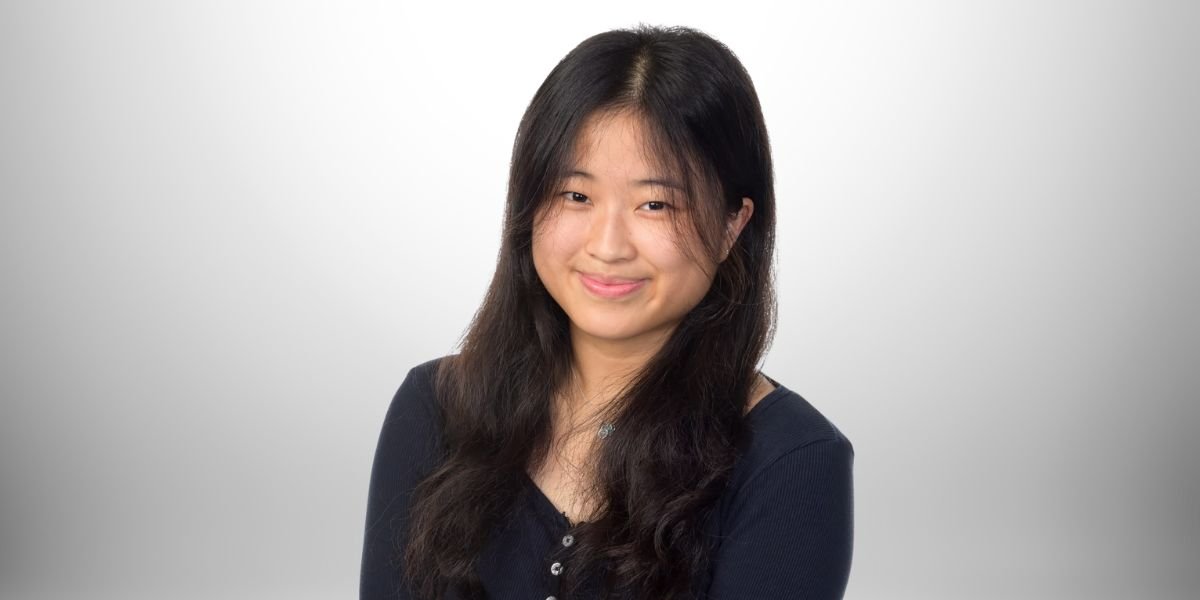
An unexpected lesson at a Seoul bakery challenged Jane Sunny Chang’s assumptions about disability and inspired her to change the conversations that shape inclusion.
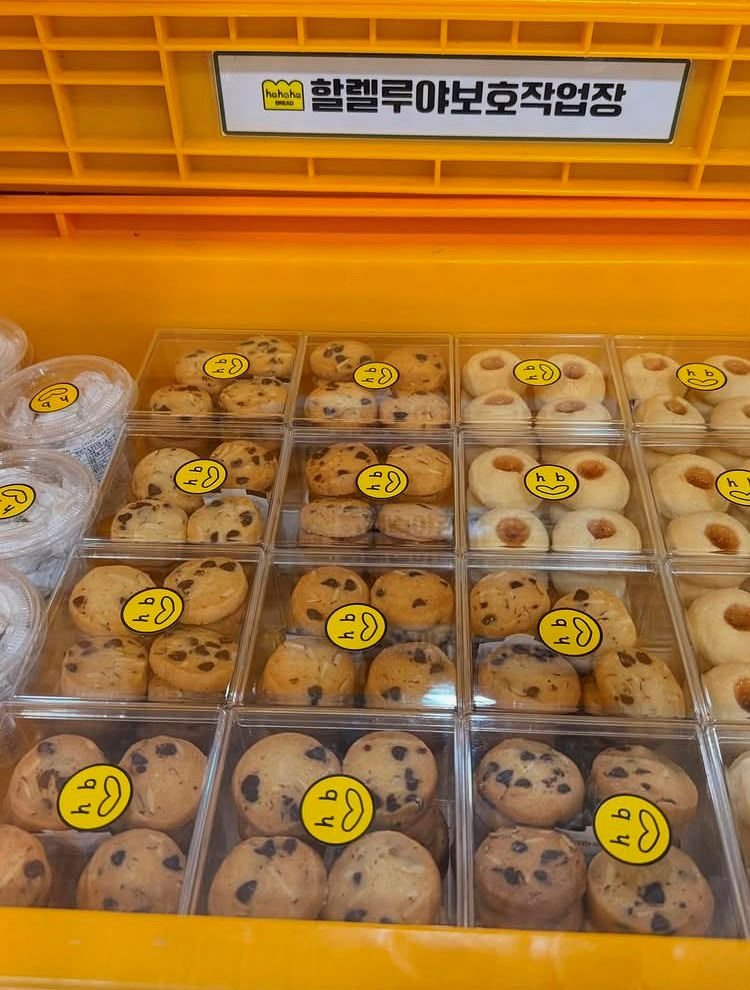
On a crisp spring morning in 2025, dressed in white coats, masks, gloves and plastic shoe covers, Jane Sunny Chang and her classmates from Seoul Foreign School stepped into the HahaHoho Bread Factory expecting to spend the day volunteering.
The vocational bakery, operated by Hallelujah Church on the outskirts of Seoul, employs adults with developmental disabilities. Through “Unlocked,” the disability inclusion club Chang helped establish at Seoul Foreign School, students spend the day packaging bread alongside the bakery’s employees, hoping to gain a better understanding of disability inclusion.
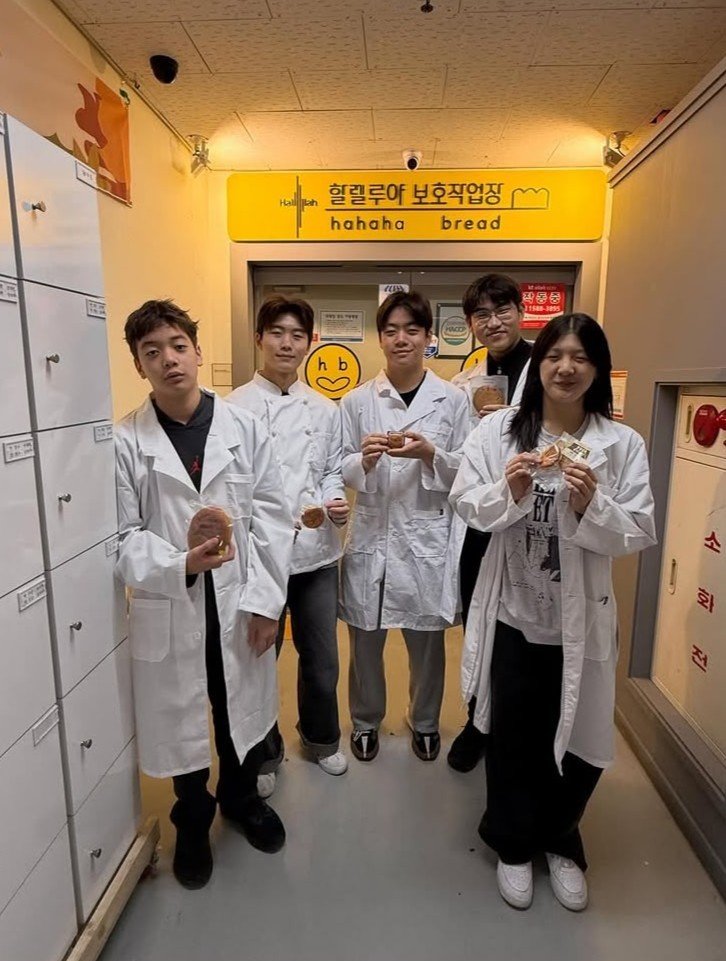
Chang had expected to spend the afternoon helping. Instead, she ended up being corrected.
As she carefully lined up the bakery’s signature smiley-face sticker on each loaf, one of the employees quietly showed her a quicker, more precise way to do it. What seemed like a routine task revealed something she hadn’t anticipated: the people she had assumed she was there to help possessed an expertise she did not.
“People are really used to giving help to the people that they think need help,” Chang says. “But it was kind of reversed, we received help from the people we’d gone there to help.”
While the interaction only lasted a few seconds, it challenged assumptions she hadn’t realized she carried. Rather than seeing disability through the lens of charity, she began thinking about inclusion through mutual respect, recognizing people with disabilities as colleagues, mentors and experts in their own right.
Today, Chang serves as the co-president of Unlocked, a student-led organization dedicated to disability inclusion at Seoul Foreign School. The name speaks to the club’s goal of unlocking conversations and challenging the prejudices that often prevent genuine social inclusion.
Since its launch in January 2025, the club has developed partnerships with organizations including Hallelujah Church and South Korea’s National Rehabilitation Center, creating opportunities for students to engage with disability through education and direct interaction rather than one-off volunteer work.
The idea grew out of something Chang noticed during her sophomore year. Although the school offered a wide range of service clubs, none focused specifically on disability. The absence stood out to her because conversations around disability often remained limited despite their importance in South Korean society.
While the country has expanded legal protections and employment initiatives for people with disabilities, inclusion continues to lag behind policy. According to the Organisation for Economic Co-operation and Development (OECD), people with disabilities in Korea face an employment gap of almost 60% compared with prime-age men, well above the OECD average of 45%.
Together with three other classmates, Chang decided to build something that didn’t yet exist.
Starting a new organization proved more complicated than coming up with the idea.
Launching midway through the school year meant many students had already committed to other extracurricular activities, leaving the founders scrambling to recruit enough members to satisfy the school’s minimum requirements. Originally serving as treasurer, Chang quickly found herself doing far more than managing finances. She recruited students, coordinated with teachers, navigated unfamiliar administrative procedures and helped shape the club’s long-term direction during its earliest months.
For Chang, success was never measured by a single event. She wanted Unlocked to become something future students could inherit, a club with lasting partnerships, recurring programs and a place within the school’s culture.
That vision has shaped the organization’s growth.
One of Unlocked’s closest partnerships remains with Hallelujah Church and the HaHaHoHo Bread Factory, where students return annually to work alongside employees rather than simply volunteer for them.
The club has also expanded its work through South Korea’s National Rehabilitation Center, although building that relationship required persistence. Because the center did not initially permit volunteers under the age of 18, Chang and the executive team continued discussions until staff agreed to pilot disability-awareness activities for high school students. Students now participate in wheelchair navigation exercises and blindfolded mobility simulations designed to encourage reflection on both physical and social barriers experienced by people with disabilities.
Outside community visits, Chang has focused on making disability inclusion part of everyday school life. During weekly meetings, club members design flashcards, colouring activities and interactive storybooks for children connected with Hallelujah Church while planning workshops that encourage students to think beyond stereotypes. Rather than treating disability as something encountered only during volunteer work, Chang hopes those conversations become part of how students understand their communities.
As graduation approaches, Chang is already thinking beyond her own time at Seoul Foreign School. She hopes future student leaders will continue expanding the partnerships Unlocked has established and build on the foundation the founding team created. More than any single workshop or service day, she wants the organization itself to endure.
Months after visiting the bakery, Chang still remembers the smiley-face sticker.
It was a small moment inside an ordinary workplace, but it fundamentally reshaped how she understands inclusion. She arrived believing she would spend the day teaching others. She left recognizing that genuine inclusion begins with the humility to listen, and with the understanding that everyone, regardless of ability, has something valuable to teach.