
Veterans Day, Remembrance Day and Armistice Day all mark the same moment: the end of fighting in World War I at 11 a.m. on November 11, 1918. The United States renamed its observance Veterans Day in 1954, Canada adopted Remembrance Day in 1931, and Britain keeps Armistice Day alongside a separate Remembrance Sunday.
Key Takeaways
- The United States made November 11 a legal holiday called Armistice Day in 1938 and renamed it Veterans Day on June 1, 1954, to honor veterans of all wars.
- Canada’s 1921 Armistice Day Act placed the observance on a Monday and joined it with Thanksgiving, until Parliament fixed it to November 11 and renamed it Remembrance Day in 1931.
- The U.S. moved Veterans Day to a Monday under the Uniform Holiday Bill, then restored the November 11 date beginning in 1978.
- Britain observes a two-minute silence at 11 a.m. on Armistice Day and holds its national Cenotaph service on Remembrance Sunday, the second Sunday in November.
- Britain’s 11 a.m. silence falls at 6 a.m. Eastern time in the United States.
One Armistice, Three Names
The armistice between the Allied nations and Germany took effect at the eleventh hour of the eleventh day of the eleventh month in 1918. Every country that marks November 11 traces its observance to that moment. What changed from country to country was the name, and each name reflects a decision about who the day is meant to honor.
In the United States, Veterans Day is especially a chance to thank living veterans for their service. In Canada and Britain, the emphasis falls on those who died in military service, marked by silence, poppies and wreaths at war memorials. The difference is one of emphasis rather than a strict divide, but it explains why the three names have held for decades.
The United States Turned Armistice Day Into Veterans Day
The United States made November 11 a legal holiday with an act approved May 13, 1938. That law dedicated the day to the cause of world peace and named it Armistice Day, primarily to honor veterans of World War I.
World War II and the Korean War changed the scale of American military service. At the urging of veterans service organizations, Congress amended the 1938 act by striking out the word “Armistice” and inserting “Veterans.” With Public Law 380, approved June 1, 1954, November 11 became a day to honor American veterans of all wars.
The U.S. Briefly Moved Veterans Day to a Monday
The Uniform Holiday Bill, which took effect in June 1968, moved Veterans Day and several other federal holidays to Mondays to create three-day weekends. The first Monday observance of Veterans Day fell on October 25, 1971.
The change was unpopular. In 1975, President Gerald R. Ford signed a law returning Veterans Day to November 11, beginning in 1978. It has been observed on that date ever since, whatever the day of the week.
Canada Fixed the Date and Changed the Name in 1931
Canada followed a similar path a generation earlier. A May 1921 act of Parliament set Armistice Day on the Monday of the week in which November 11 fell, and joined it with Thanksgiving Day. Combining a solemn commemoration with a harvest holiday confused the public and angered World War I veterans.
On March 18, 1931, Member of Parliament A.W. Neill moved to have Armistice Day observed on November 11 “on no other date.” Another MP, C.W. Dickie, moved to change the name from Armistice Day to Remembrance Day. The new name shifted the emphasis to the soldiers whose deaths were being remembered. Parliament adopted both changes, and Canada held its first Remembrance Day by that name on November 11, 1931.
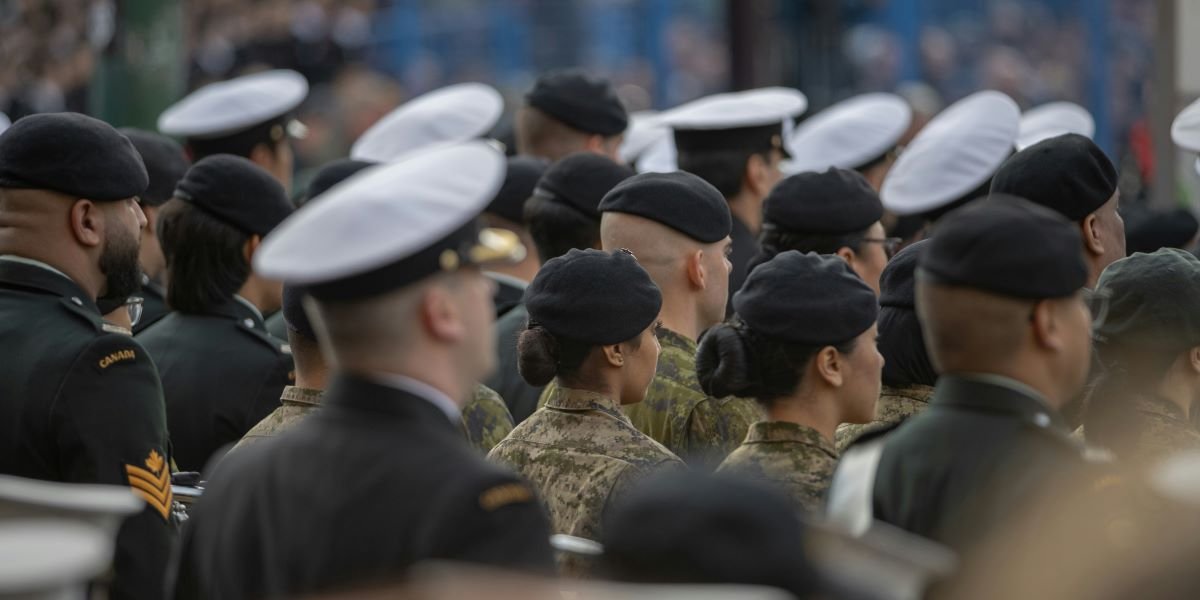
Today, Remembrance Day is a federal statutory holiday in Canada. The poppy is its symbol, and the Royal Canadian Legion sells replica poppies to raise money to assist veterans.
Britain Splits Remembrance Across Two Days
Britain kept the name Armistice Day for November 11 and added a second observance after World War II. Following a national debate over how to honor the dead of both world wars, the Archbishop of Westminster proposed naming the second Sunday in November Remembrance Sunday. The Home Office endorsed the proposal in January 1946, and Prime Minister Clement Attlee announced its formal adoption to the House of Commons that June.
That split still shapes the calendar. The National Service of Remembrance at the Cenotaph in Whitehall takes place on Remembrance Sunday, which fell on November 8 in 2026. Armistice Day itself is marked by a two-minute silence, coordinated nationally by the Royal British Legion.
The 11 a.m. Silence Moves Across Time Zones
The two-minute silence begins at 11 a.m. on November 11, the moment the armistice came into force, and ends at 11:02 a.m. The first silence was held on November 11, 1919, at the request of King George V.
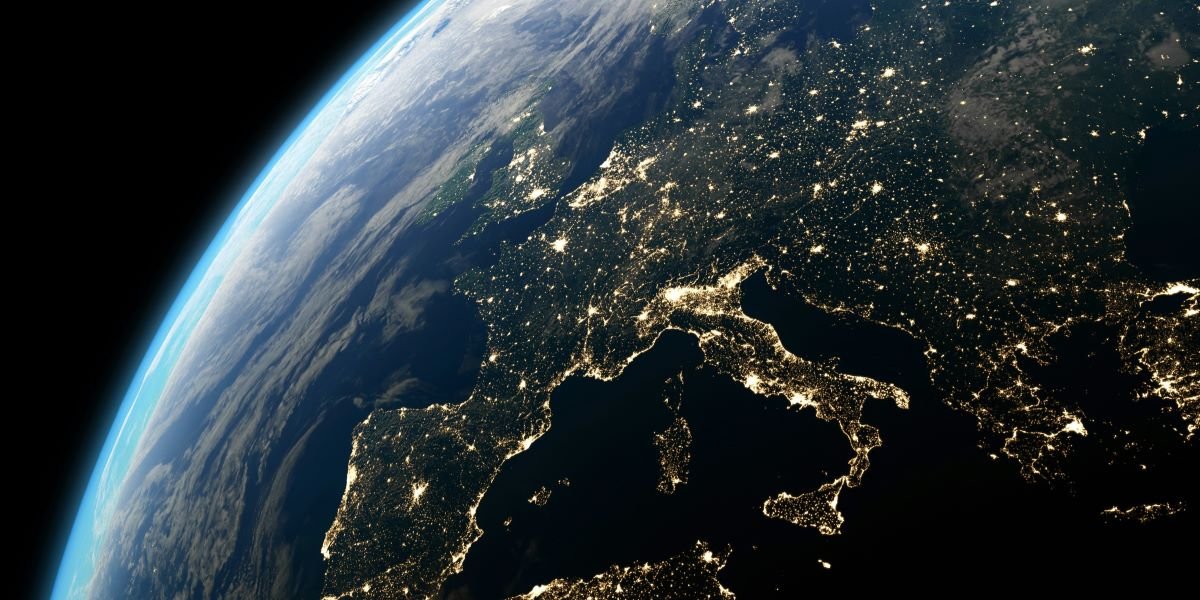
Because the silence is tied to local time, it moves around the world through the day, much like a synchronized global observance timed across every time zone. Britain’s silence at 11 a.m. falls at 6 a.m. Eastern time in the United States. Canada’s national ceremony at the National War Memorial in Ottawa begins at 10:30 a.m. local time, with two minutes of silence at 11 a.m.
Why the Names Still Matter
The parallel between the United States and Canada is easy to miss. Both countries once moved the observance to a convenient Monday, and in both countries veterans pushed it back to November 11. Canada made that correction in 1931, and the United States in 1975.
The names that resulted say something about each country’s choices. Veterans Day speaks to everyone who has served. Remembrance Day speaks to those who did not come home. Armistice Day speaks to the moment the guns stopped. On Wednesday, all three will be observed on the same date, a few hours apart.
FAQs
What is the difference between Veterans Day and Remembrance Day?
Veterans Day in the United States honors all who served, with special emphasis on thanking living veterans. Remembrance Day in Canada and other Commonwealth countries places the emphasis on those who died in military service.
Why is Veterans Day on November 11?
November 11 marks the armistice that ended fighting in World War I at 11 a.m. in 1918. The United States made it a legal holiday in 1938 and renamed it Veterans Day in 1954.
When did Canada start calling it Remembrance Day?
Canada adopted the name Remembrance Day in 1931, when Parliament also fixed the observance to November 11. The first Remembrance Day by that name was held on November 11, 1931.
What time is the two-minute silence in the U.S.?
Britain’s two-minute silence at 11 a.m. on November 11 falls at 6 a.m. Eastern time. Canada observes its silence at 11 a.m. local time.