

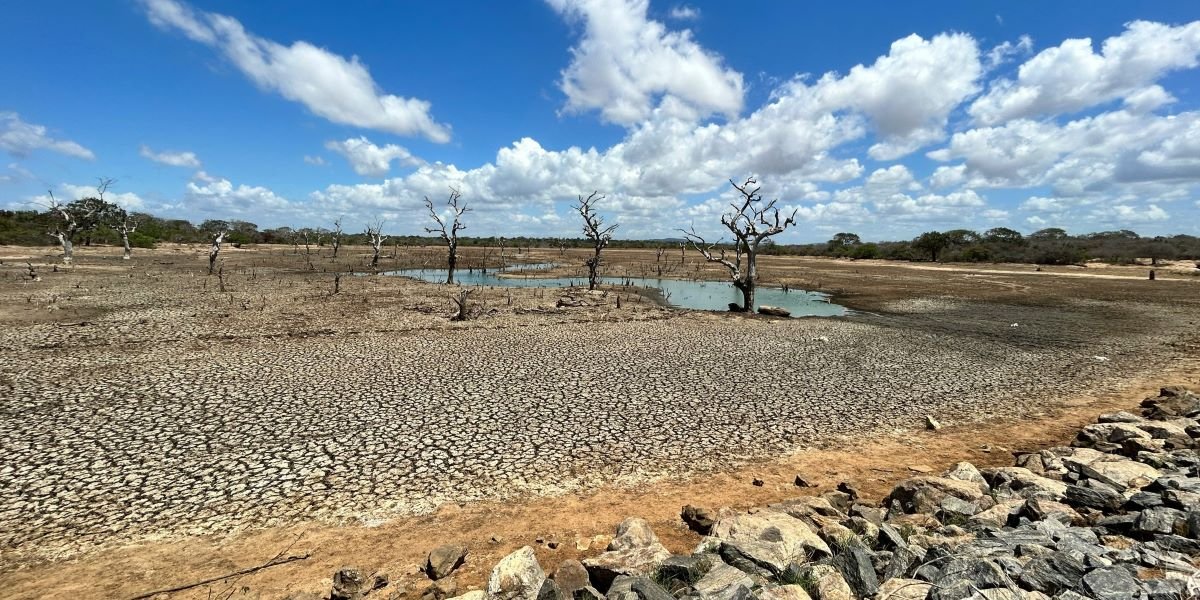
The 2026 El Niño event is on track to become one of the strongest in the modern meteorological record, with climate models now projecting it will surpass every previous event documented since at least 1950. The World Meteorological Organization reported in its August 2026 update that there is nearly 100% probability the event will persist through February 2027 and reach very strong intensity before peaking near the end of the year. NOAA’s Climate Prediction Center confirmed in its September 8 diagnostics that El Niño is strengthening, with a greater than 90% chance of a very strong event during Northern Hemisphere fall and winter. The implications extend across global food systems, energy markets, and disaster response planning on every inhabited continent.
Key Takeaways
- NOAA forecasts a greater than 90% chance the 2026 El Niño will reach very strong intensity between September 2026 and January 2027, with the WMO putting persistence probability through February at nearly 100%.
- Climate scientist Daniel Swain of the University of California has estimated a roughly 70% likelihood that the event becomes the strongest on record since at least 1950, with peak intensity expected between October and December.
- Subsurface ocean temperatures in the central-eastern equatorial Pacific have exceeded normal values by more than 8°C at some depths, providing an exceptional heat reservoir to sustain further surface warming.
- Global agricultural production could decline by as much as 14.3% under an extreme scenario, according to risk analytics firm Risilience, translating to an estimated $342.2 billion in lost production value.
- Soft commodity prices for coffee, rice, palm oil, and sugar face potential surges of 50% to 100%, while wheat and corn carry somewhat more resilient global inventory positions.
Subsurface Heat Reservoir Fuels Further Intensification
What separates the 2026 event from previous El Niño cycles is the scale of the energy stored beneath the ocean surface. The International Research Institute for Climate and Society at Columbia University reported in its August 2026 assessment that a pronounced reservoir of anomalous heat has developed across the central-eastern equatorial Pacific, with temperatures at depths of approximately 50 to 150 meters exceeding normal values by more than 8°C in some areas. That subsurface heat content provides a sustained energy source for continued surface warming, particularly if favorable ocean-atmosphere coupling persists through the fall.
NOAA’s GFDL SPEAR prediction system, updated in September, shows all 30 ensemble forecast members projecting that this El Niño will compete with, if not surpass, the strongest events in the historical record. Even the most conservative model runs indicate a historically significant event. Climate model predictions reported in early September suggest the event could become stronger than any previously recorded, likely during September, and remain at those levels through February.
A positive phase of the Indian Ocean Dipole is developing alongside the El Niño, a co-occurrence that historically amplifies drought conditions in Southeast Asia and Australia while intensifying rainfall across parts of East Africa. The IRI forecasts show the positive IOD signal strengthening and remaining dominant through December 2026.
Agricultural Supply Chains Face Compounding Pressures
The agricultural impact of a record-setting El Niño is not theoretical. The pattern has historically constrained supply across multiple growing regions simultaneously, and the 2026 event is arriving into an environment already stressed by elevated fertilizer costs, conflict-disrupted trade routes, and biofuel mandates competing with food production for the same underlying crops.
Risilience, a climate risk analytics firm, published an analysis estimating that under an extreme El Niño scenario, global agricultural production could drop by 14.3%, resulting in approximately $342.2 billion in lost production value at 2025 prices. The most exposed commodities include rice, palm oil, sugar cane, and coffee, with potential price surges of 50% to 100%. A separate analysis by Risilience chairman Andrew Coburn, published through Reuters, projected broader price shocks of 10% to 50% across core food commodities.
Just four crops — wheat, rice, maize, and soybeans — account for more than 60% of global calorie consumption, and a correlated weather disruption across multiple continents threatens the stability of that supply base. Australia, a major wheat exporter, faces below-average rainfall projections that could reduce production and tighten export capacity to Asia. Coffee production in Brazil and Vietnam, the world’s two largest producers, sits in El Niño’s direct path. Brazil’s main crop planting could face delays, which in turn shortens the critical second-crop corn harvest that has outpaced the United States in recent years.
Argentina stands as one of El Niño’s few structural beneficiaries, with above-average rainfall typically supporting soybean, corn, and wheat output. Parts of the southern United States may also see improved growing conditions. But commodity analysts at Neuberger Berman and WisdomTree have both noted that these regional gains are unlikely to fully offset what Asia, Africa, and Oceania may lose.
Energy Markets and Infrastructure Under Strain
The energy implications of a record El Niño extend beyond agriculture. In the United States, California is already contending with residential electricity prices that run 89% above the national average and have climbed nearly 9% year-over-year. Pacific Gas and Electric issued power-saving guidance to small businesses during the current heat alert, while fuel prices across the state continue to set new highs. Combined utility and fuel expenses account for roughly 10% of total household spending in the United States, and the El Niño-driven heat pattern is expected to intensify those costs through the winter.
Globally, the pattern creates opposing energy dynamics. Warmer winters in parts of North America and Europe could reduce heating demand for natural gas, while extreme heat in tropical regions drives cooling demand and strains electrical grids that were not designed for sustained peak loads. The economic toll of sustained heat is already measurable: the International Labour Organization has estimated that heat stress workplace productivity losses have reached $2.4 trillion annually, a figure that a record-setting El Niño cycle would push further upward across outdoor labor sectors in agriculture, construction, and logistics. Hydropower generation in drought-affected regions — particularly Southeast Asia and parts of South America — faces reduced output at the same time electricity demand rises.
The El Niño has also suppressed Atlantic hurricane formation, a counterintuitive benefit for the energy sector. The 2026 Atlantic hurricane season has been relatively quiet, and Colorado State University revised its already-low hurricane forecast downward in July. That suppression reduces risk to Gulf of Mexico oil and gas infrastructure but does nothing to alleviate the heat, drought, and flood risks that El Niño generates elsewhere.
Regional Impacts Vary, but the Risk Distribution Has Shifted
The WMO’s Global Seasonal Climate Update for September through November 2026 projects an increased likelihood of above-normal temperatures across almost all land areas, with rainfall patterns showing a pronounced atmospheric response to the strong Pacific warming. The effects are not uniform, but the range of outcomes has shifted toward more extreme scenarios across a wider set of regions than in previous strong El Niño events.
South Asia faces weakened monsoon patterns that threaten rice production and groundwater recharge. Sub-Saharan Africa confronts drought risk in the Horn of Africa alongside the possibility of flooding in East African coastal zones where the positive Indian Ocean Dipole amplifies El Niño effects. Southeast Asia, particularly Indonesia, the Philippines, and Papua New Guinea, faces reduced rainfall, heightened fire risk in peatland regions, and diminished palm oil yields.
Climate scientist Daniel Swain has noted that by increasing the total amount of heat and water vapor in the atmosphere, a strong El Niño could push global temperatures to new record levels in late 2026 and into 2027. The interaction between El Niño warming and the existing long-term climate trend means the 2026 event is amplifying from a higher baseline than any previous cycle, compressing the margin between a manageable disruption and a systemic one.
Governments and Markets Are Responding, but Timing Is the Binding Constraint
Institutional investors have already begun repositioning. WisdomTree reported that its Agriculture exchange-traded commodity product attracted nearly $1 billion in inflows in 2026 alone, pushing assets under management to $1.41 billion and reflecting growing institutional interest in agricultural commodity exposure as a hedge against El Niño supply disruption.
On the corporate side, multinational food companies are accelerating supply chain adaptation. Nestlé has completed a multi-year research project evaluating drought-tolerant robusta coffee varieties for distribution to farming cooperatives in Côte d’Ivoire. Unilever has piloted regenerative agriculture practices across exposed supply chains in 11 countries. These investments aim at yield stabilization under stress, but their protective effects are measured in seasons, not weeks.
For governments, the challenge is immediate. The WMO’s September update functions as a formal early warning, providing lead time for disaster preparedness agencies, agricultural ministries, and humanitarian organizations to pre-position resources before peak impacts materialize. The historical record shows that the costs of inaction during a strong El Niño cycle far exceed the costs of early preparation, but the window for meaningful action narrows as the event intensifies through the fall.
FAQs
How Strong Is the 2026 El Niño Compared to Previous Events?
NOAA, the WMO, and multiple climate modeling centers project the 2026 El Niño will compete with or surpass the strongest events in the modern record, which dates to 1950. Climate scientist Daniel Swain of the University of California has estimated a roughly 70% likelihood it becomes the strongest on record, with peak intensity expected between October and December 2026.
How Does El Niño Affect Food Prices?
El Niño historically constrains agricultural supply across multiple regions simultaneously. Soft commodities — particularly coffee, rice, palm oil, and sugar — face the sharpest exposure, with potential price increases of 50% to 100% under extreme scenarios. Wheat and corn carry somewhat larger global inventory buffers but remain vulnerable to regional disruptions in Australia and South Asia.
Which Regions Face the Highest Risk?
Southeast Asia, Australia, sub-Saharan Africa, and parts of South America face the highest combined exposure to drought, heat, and reduced agricultural output. Argentina and parts of the southern United States are among the few regions that historically benefit from El Niño conditions through increased rainfall.
How Long Will the 2026 El Niño Last?
The WMO projects nearly 100% probability that El Niño will persist through February 2027. Most forecast models show the event transitioning toward ENSO-neutral conditions by spring or summer 2027, but forecast uncertainty increases during that transition window.
Has the 2026 El Niño Affected Hurricane Activity?
El Niño typically suppresses Atlantic hurricane formation by increasing wind shear across the tropical Atlantic. The 2026 Atlantic hurricane season has been relatively quiet, with Colorado State University revising its already-low forecast downward in July. This reduces risk to Gulf of Mexico energy infrastructure but does not offset El Niño’s heat, drought, and flood impacts elsewhere.