


What Types of Captivating Shows Can You See at an Aquarium?
Visiting an aquarium often presents the chance to witness truly remarkable live shows, offering a unique glimpse into the lives of marine creatures. These presentations go beyond simple observation, allowing visitors to engage with the natural behaviors and incredible abilities of aquatic animals. From the graceful leaps of dolphins to the coordinated movements of sea lions, these shows are carefully designed to showcase the intelligence and agility of marine life in an engaging format. Each performance aims to create a memorable experience, drawing the audience into the underwater world and fostering a deeper appreciation for its inhabitants.
Read Also: Simple Actions for Ocean Conservation: How You Can Help
Beyond the high-energy performances, many aquariums feature more intimate presentations focusing on smaller species. Imagine watching a vibrant reef tank come alive as divers enter to feed the fish, creating a swirling spectacle of color and activity. These feeding frenzies offer a chance to see how different species interact and compete for food in a dynamic environment, mimicking natural feeding patterns. Such shows often provide educational commentary, explaining the dietary needs of various fish and the roles they play within their ecosystems, enhancing the learning experience for every aquarium visitor.
Other popular shows might highlight particular species like penguins or otters, demonstrating their unique adaptations and playful personalities. These varied presentations ensure that there is something for every interest, whether a visitor is captivated by the powerful grace of larger marine mammals or the intricate social dynamics of a bustling coral reef. The diversity of shows reflects the wide range of life found within an aquarium, providing a comprehensive and entertaining educational journey.
How Do Aquariums Create Engaging Experiences for Audiences?
Aquariums meticulously design their live shows to maximize audience engagement, making each visit an immersive and memorable occasion. This often involves combining visual spectacle with informative commentary delivered by knowledgeable trainers and educators. The setup of the show areas is crucial, featuring large, clear viewing panels and amphitheater-style seating that ensures excellent sightlines for everyone. Lighting and sound effects are frequently used to enhance the atmosphere, drawing the audience deeper into the aquatic environment and highlighting the natural beauty of the aquarium’s residents.
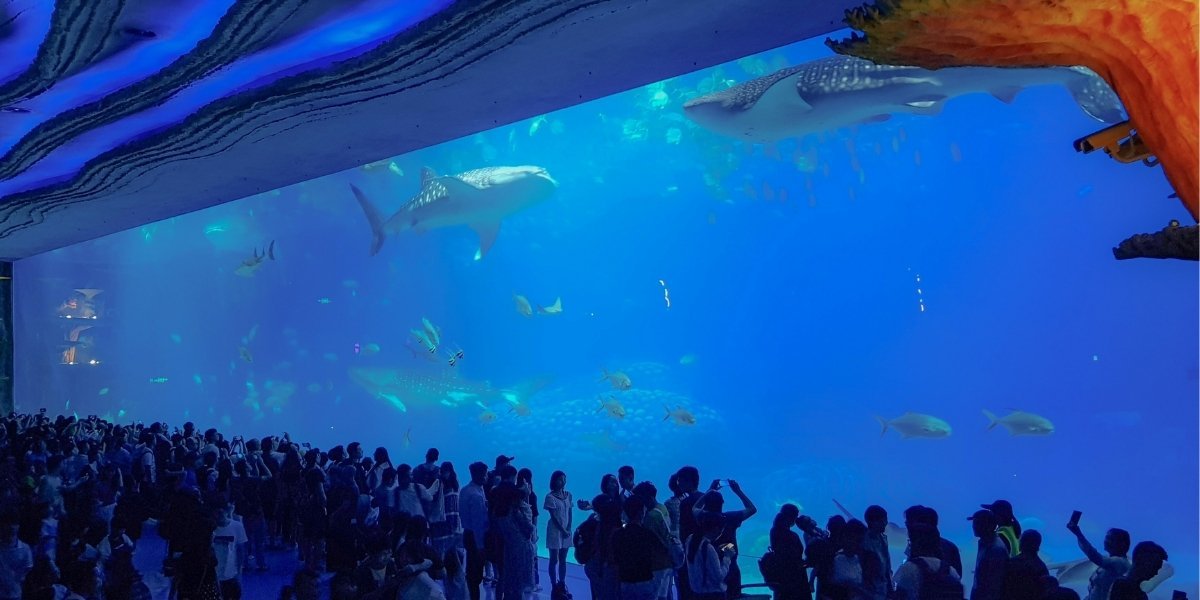
The human-animal connection is a powerful element in many shows. Trainers build strong relationships with the animals, and this bond is evident in the seamless interactions observed during performances. This connection helps to humanize the animals, allowing visitors to feel a greater sense of empathy and wonder. Observing these well-cared-for creatures respond to cues and demonstrate complex behaviors fosters a sense of respect and understanding for marine life, encouraging a more thoughtful perspective on the natural world within the aquarium.
Storytelling is another effective tool employed to make shows more captivating. Rather than simply demonstrating tricks, many shows weave narratives around the animals’ natural behaviors, their importance in the ocean, or even the rescue and rehabilitation stories of individual creatures. This narrative approach transforms a simple demonstration into an educational journey, connecting the audience emotionally to the animals and the broader conservation messages conveyed by the aquarium.
What Important Messages Do Aquarium Shows Convey?
Live aquarium shows serve as vital platforms for education and conservation, extending beyond mere entertainment. They provide a unique opportunity to learn about marine biology, the delicate balance of aquatic ecosystems, and the urgent need for protecting our oceans. During these presentations, educators often share fascinating facts about the animals’ habitats, their diets, and the challenges they face in the wild, such as pollution or habitat loss. This direct engagement helps translate complex scientific information into an accessible and impactful message for all ages.
A significant part of the message revolves around the concept of responsible stewardship of our planet’s water resources. By showcasing the incredible diversity and fragility of marine life, aquariums inspire visitors to think about their own actions and how they can contribute to ocean health. Discussions might include the impact of single-use plastics, overfishing, or climate change, encouraging simple but meaningful changes in daily habits. The goal is to empower visitors to become advocates for marine conservation long after they leave the aquarium.
These shows often highlight the critical research and rescue efforts undertaken by aquariums. Many institutions are involved in rehabilitating injured marine animals, participating in breeding programs for endangered species, and conducting scientific studies that contribute to global conservation knowledge. By sharing these stories, the shows underscore the important role that modern aquariums play not just as exhibits, but as active centers for protecting aquatic biodiversity and ensuring a healthy future for ocean life.
Are Live Aquarium Shows Safe for Both Animals and Audiences?
The safety and well-being of both the animals and the human audience are paramount in the design and execution of all live aquarium shows. Extensive protocols are in place to ensure that every performance is conducted in a secure and controlled environment. Animal care teams are highly trained professionals who prioritize the physical and mental health of the animals, ensuring they receive proper nutrition, veterinary care, and enrichment activities daily. The behaviors performed during shows are often extensions of natural movements, adapted through positive reinforcement training, making the experience stress-free for the animals.
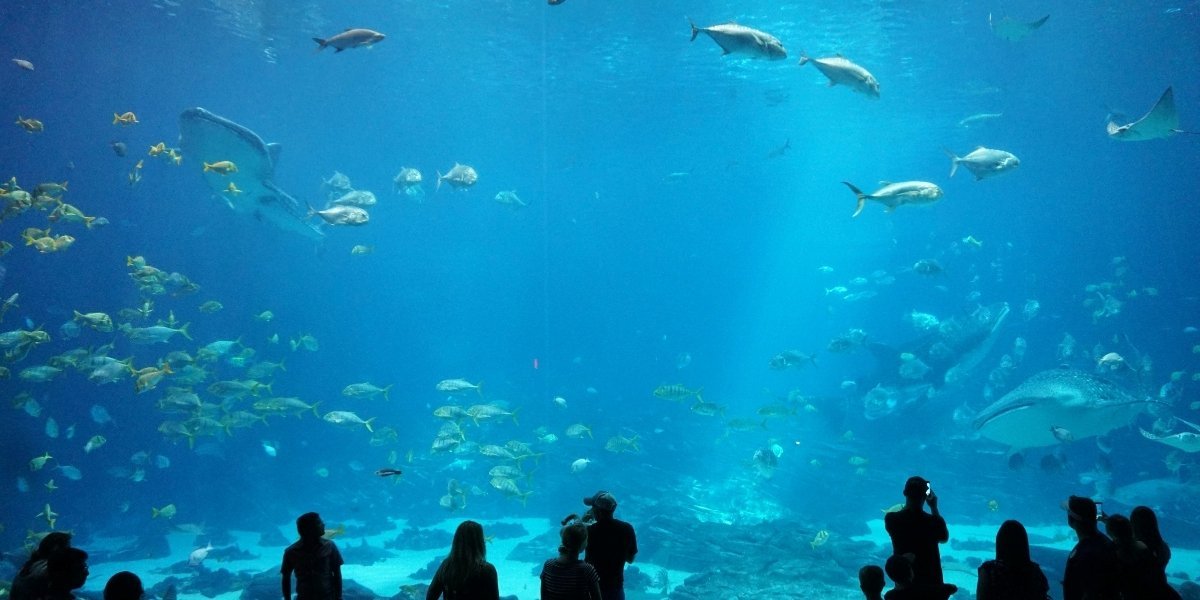
For the audience, safety measures include clear viewing barriers, designated seating areas, and emergency procedures that are regularly practiced. Trained staff are always present to manage crowds and address any concerns. The facilities are designed to handle large numbers of visitors safely, with clear pathways and emergency exits. This meticulous attention to detail ensures that visitors can fully enjoy the spectacle without concern, confident in the safety standards maintained by the aquarium.
Beyond the show itself, the overall environment of an aquarium is constructed with safety in mind. Water quality is meticulously monitored, and habitats are designed to prevent any unintended interactions between animals and visitors. Regular maintenance checks are performed on all equipment and enclosures. This comprehensive approach to safety extends throughout the entire aquarium, providing a secure and enjoyable experience for everyone who walks through its doors.
How Do Aquariums Ensure Ethical Care for Their Animals?
Ensuring the ethical care and welfare of their animals is a cornerstone of responsible aquarium operation, particularly for those involved in live shows. Accredited aquariums adhere to rigorous standards set by zoological and aquatic associations, which cover everything from habitat design and water quality to diet, veterinary care, and behavioral enrichment. These standards are constantly reviewed and updated based on the latest scientific understanding of animal welfare, ensuring that the animals not only survive but thrive in their environments.
The training methods used for animals in shows are rooted in positive reinforcement, which means animals are rewarded for desired behaviors. This approach builds trust between trainers and animals, fosters a cooperative relationship, and ensures that participation in shows is a voluntary and enriching activity for the animals. It avoids any coercive or stressful techniques, focusing instead on stimulating the animals’ natural intelligence and curiosity. This commitment to humane training practices is a hallmark of ethical aquarium management.
Read Also: How Biophilic Design Transforms Homes and Workplaces
Many aquariums participate in global conservation efforts, including species survival plans and rehabilitation programs for injured marine life. The animals residing at an aquarium often serve as ambassadors for their wild counterparts, helping to educate the public and inspire support for conservation initiatives. The ethical framework of a modern aquarium positions itself as a center for animal welfare, education, and active conservation, reflecting a deep commitment to the well-being of every creature under its care.