
The United Nations will convene its 2026 Water Conference in Abu Dhabi from December 8 to 10, bringing water infrastructure into a broader discussion about economic development. With billions still lacking safely managed drinking water or sanitation, the conference will examine how reliable water systems support households, agriculture, industry, and economic activity worldwide.
Key Takeaways
- Senegal and the United Arab Emirates will co-host the conference, which aims to accelerate progress toward Sustainable Development Goal 6.
- Approximately 2.1 billion people lacked safely managed drinking-water services in 2024, according to WHO and UNICEF.
- Global access to safely managed drinking water increased from 68% in 2015 to 74% in 2024.
- World Bank research estimates annual water-sector spending in developing countries at approximately $164.6 billion, measured in 2017 prices.
- Six conference dialogues will address water access, economic prosperity, environmental sustainability, cooperation, international processes, and infrastructure investment.
Global Water Access Remains an Infrastructure Challenge
Water infrastructure has become an important part of international discussions about economic development. Reliable drinking-water supplies, sanitation systems, and wastewater management support daily household needs while providing essential services to businesses, farms, and public institutions.
According to the World Health Organization and UNICEF’s Joint Monitoring Programme, approximately 2.1 billion people lacked safely managed drinking-water services in 2024. Another 3.4 billion people lacked safely managed sanitation services.
Safely managed drinking water refers to an improved water source located on the premises, available when needed, and free from contamination. The definition distinguishes reliable, safe household service from situations where water may be available but does not meet all three conditions.
Progress has occurred, although access remains uneven. Between 2015 and 2024, the global proportion of people using safely managed drinking water increased from 68% to 74%.
These figures provide context for the upcoming UN conference, where participating governments and institutions will examine how improvements in water systems can support development objectives.
Reliable Water Systems Support Agriculture and Employment
Water infrastructure serves economic activities extending beyond household consumption. Agricultural production depends on access to suitable water resources, while industries and energy facilities require dependable supplies for various operations.
World Bank research identifies agriculture, manufacturing, energy, and other water-intensive sectors as particularly exposed to disruptions in water availability. The relationship is especially relevant in economies where agricultural production accounts for a substantial share of employment.
Unreliable water supplies can interrupt farming schedules, increase operating costs, and complicate business planning. Infrastructure development therefore involves both expanding access and maintaining systems capable of delivering water consistently.
The connection between water and agricultural production also intersects with wider concerns about global food security and agricultural innovation. Irrigation infrastructure, water-use efficiency, and resource management can influence how food systems respond to changing production conditions.
The UN conference’s Water for Prosperity dialogue is scheduled to examine several of these relationships, including water-use efficiency and the connections between water, energy, and food systems.
Water Infrastructure Financing Involves More Than Construction
Expanding access to reliable water services requires financial resources for infrastructure construction, maintenance, operations, and institutional capacity. New facilities alone cannot ensure dependable service if existing systems lack adequate maintenance or operational support.
The World Bank’s Funding a Water-Secure Future report estimates that annual spending across the water sector in developing countries totals approximately $164.6 billion, expressed in 2017 prices. This includes activities such as water supply, sanitation, irrigation, water transport, and hydropower.
The same research estimates that an additional $131.4 billion to $140.8 billion in annual spending is needed to meet universal safe water and sanitation targets across the developing countries examined.
These figures measure different categories. The broader spending estimate includes several water-related sectors, while the additional requirement concerns water supply and sanitation objectives.
The distinction matters because infrastructure investment must address both the expansion of services and the effectiveness of existing spending. The World Bank identifies operational efficiency, institutional capacity, and the management of public resources as important considerations in addressing financing gaps.
Sanitation and Wastewater Management Shape Infrastructure Needs
Economic discussions about water infrastructure also include sanitation and wastewater management. These services support communities by managing waste, protecting water resources, and reducing environmental contamination.
According to WHO and UNICEF, approximately 3.4 billion people lacked safely managed sanitation services in 2024. This measure concerns whether sanitation facilities safely contain, transport, treat, or dispose of waste.
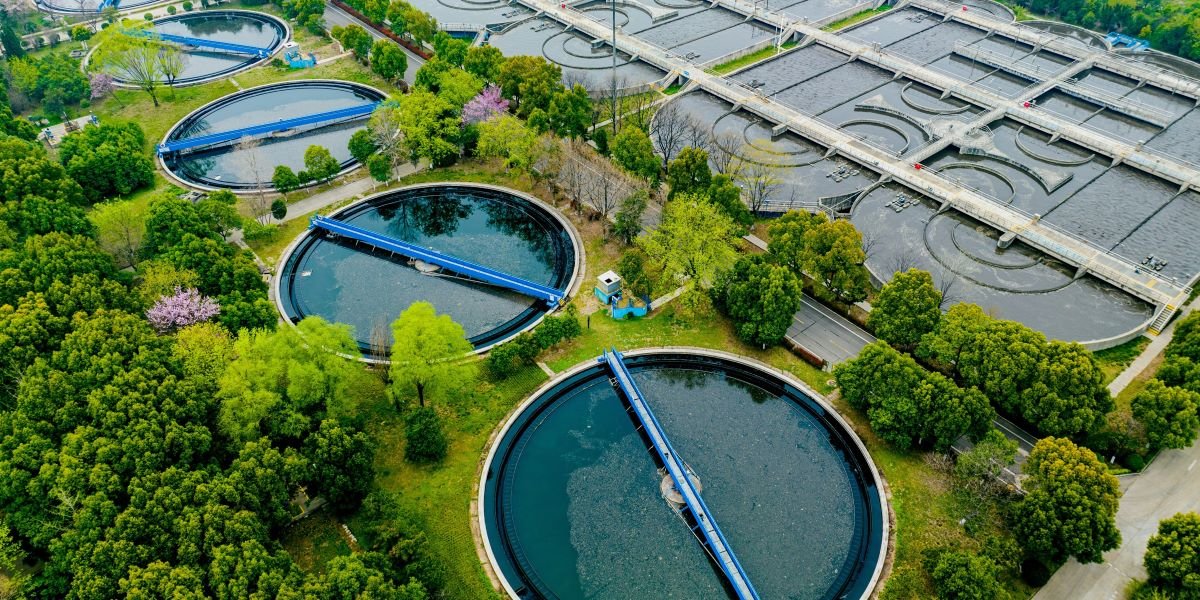
Wastewater infrastructure has implications beyond household sanitation. Treatment systems influence environmental conditions and are increasingly examined in relation to wastewater management and environmental health.
Maintaining these systems requires technical expertise, operational oversight, and ongoing funding. Their inclusion in development planning reflects the interconnected nature of drinking water, sanitation, and environmental management.
UN Conference Will Connect Water Access With Economic Development
The December conference will be co-hosted by Senegal and the United Arab Emirates in Abu Dhabi. Its six interactive dialogues will address Water for People, Water for Prosperity, Water for Planet, Water for Cooperation, Water in Multilateral Processes, and Investments in Water.
The discussions are designed to support progress toward Sustainable Development Goal 6, which seeks the availability and sustainable management of water and sanitation for all.
The Investments in Water dialogue will examine financing, technology, innovation, and capacity building. Water for Prosperity will consider the economic and productive uses of water, including how management practices relate to agriculture, energy, and industry.
The planned formal conference outcome is a summary of proceedings prepared by the conference presidents. Any additional financing announcements, agreements, or infrastructure commitments will require confirmation after they are formally presented.
For participating institutions, the broader challenge extends beyond identifying infrastructure needs. Translating established research and international discussions into reliable water services depends on planning, implementation, maintenance, and measurable improvements in access.
FAQs
When and where is the 2026 UN Water Conference?
The conference will take place from December 8 to 10, 2026, in Abu Dhabi, United Arab Emirates. Senegal and the United Arab Emirates are co-hosting the event.
What is the main purpose of the UN Water Conference?
The conference aims to accelerate progress toward Sustainable Development Goal 6 through international discussions on drinking-water access, sanitation, infrastructure, financing, environmental sustainability, and cooperation.
How many people lack safely managed drinking water?
WHO and UNICEF estimate that approximately 2.1 billion people worldwide lacked safely managed drinking-water services in 2024. This includes people who have access to water sources that do not meet all the requirements for safely managed services.
Why is water infrastructure important to economic development?
Reliable water infrastructure supports agricultural production, industrial operations, public services, and household needs. Inadequate infrastructure can disrupt economic activity and create additional operating and service-delivery challenges.
Will the conference announce new water infrastructure funding?
The conference includes discussions on water financing and investment. However, specific new commitments or agreements should not be considered confirmed until participating institutions formally announce them.