

By: Kate Sarmiento
Every steak on a dinner plate started out as a patch of ground somewhere, and the health of that ground shapes everything that grows on it. Foxhollow Farm, a 1,300-acre Demeter Certified Biodynamic and Regenified Level 5 farm in Crestwood, Kentucky, has built its approach to raising 100 percent grass-fed beef around that idea for nearly 20 years. The farm makes a good entry point into a bigger topic, which is why soil health matters more now than ever.
Soil looks like plain brown dirt and holds about 59 percent of the species on Earth, give or take 15 points, which makes it the most biodiverse single habitat anywhere. (Source: PNAS, 2023) It also produces more than 95 percent of the food people eat, so the condition of the ground reaches everyone with a plate. (Source: FAO, 2026)
Maggie Keith, the fourth-generation steward and CEO of Foxhollow Farm, manages those 1,300 acres with the land as the starting point, and the sections below follow what that looks like in practice. Regenerative grazing, biodynamic compost, and a direct-to-customer business all trace back to the same ground.
The Ground Under Dinner Is Having a Rough Decade
The United Nations Food and Agriculture Organization (FAO) published a new global soil assessment in August 2026, and most of the findings were discouraging. Soils produce more than 95 percent of the food people eat; 58 percent of the regional assessments behind the report show conditions getting worse since 2015, and only around 10 percent show improvement. (Source: FAO, 2026) Erosion looked the worst, with 81 percent of assessments rating erosion management as poor or very poor. (Source: FAO, 2026)
Regenerative agriculture is a set of farming practices aimed at rebuilding soil health. The FAO’s list of proven soil practices includes reduced tillage, cover crops, crop diversification, compost and other organic amendments, and agroforestry. (Source: FAO, 2026) Regenerative farms combine several practices across the whole property, and Foxhollow holds Regenified Level 5 certification, the top of that program’s five levels, with rotational grazing and composting as part of its approach.
Rotational grazing means moving cattle between pastures on a schedule so each pasture gets a rest between visits. Foxhollow raises its cattle with this method, and the farm guarantees that all of its beef is 100 percent grass-fed and grass-finished. After nearly 20 years, the farm describes itself as past the experimenting stage and ready to show what regenerative agriculture can do on a working farm.
Compost, Cattle, and a Surprising Number of Earthworms: Biodynamics Without the Eye-Rolling
Biodynamic farming treats a farm as one connected system. According to Foxhollow, the goal is for everything the soil, plants, and animals need to come from the land itself, supported by a wide variety of farm animals, wildlife, birds, trees, plants, and insects. The farm follows organic practices, with compost and companion planting taking the place of chemical fertilizers, pesticides, and herbicides, and it adds biodynamic preparations, which are sprays made from medicinal plants, quartz crystal, and composted manure.
Over 21 years of side-by-side plots in Switzerland, biodynamic and organic systems used 34 to 53 percent less fertilizer and energy and 97 percent less pesticide than conventional systems, and their crop yields averaged about 20 percent lower. (Source: Science, 2002) Soil life was richer in the organic plots, with roughly double the numbers of soil microorganisms, earthworms, and ground beetles. (Source: FiBL, 2002) The plots compared whole farming systems, so the results apply to the full package of practices and say little about any single biodynamic spray.
Biodiversity ties these practices together. Foxhollow counts trees, wildlife, birds, and a wide range of animals as contributors to the health of its soil, and the soil itself shelters a large share of life on Earth. A farm that looks after its soil is looking after a lot more than its grass.
Resilience Is Just Farming With a Plan for Bad Weather
Healthy soil stores and filters water and helps regulate the climate, which is why the FAO urges decision-makers to treat it as a strategic asset. (Source: FAO, 2026) Soil health practices also paid off on the money side, raising net income for 85 percent of corn growers and 88 percent of soybean growers across 100 farms in nine states, an average gain of about $52 per acre for corn and $45 per acre for soybeans. (Source: Soil Health Institute, 2021) Those farms grow corn and soybeans, so the numbers do not transfer directly to cattle pastures, and they still show what healthy soil can do for a farm’s finances.
Maggie’s position on the economics is simple: the next generation will only keep farming if the farm pays its way. Foxhollow sells its beef directly to customers, ships regionally along the East Coast, and runs a market on the farm that is open daily from dawn to dusk for self-serve shopping and order pickups. The farm says its goal is rebuilding a regional food economy where people know their farmer and trust their food.
Maggie also shares this approach on television. She co-hosts The Farmer & The Foodie with food writer Lindsey McClave, a Kentucky Educational Television series dedicated to promoting regenerative agriculture and seasonal ingredients. (Source: The Farmer & The Foodie, 2024) The show won a Regional Emmy from the Ohio Valley Chapter of the National Academy of Television Arts and Sciences in the Lifestyle Short or Long Form Content category for its episode on Newsom’s Country Ham. (Source: WPKY News, 2026)
Go Stand in the Pasture: Boots Optional, Curiosity Required
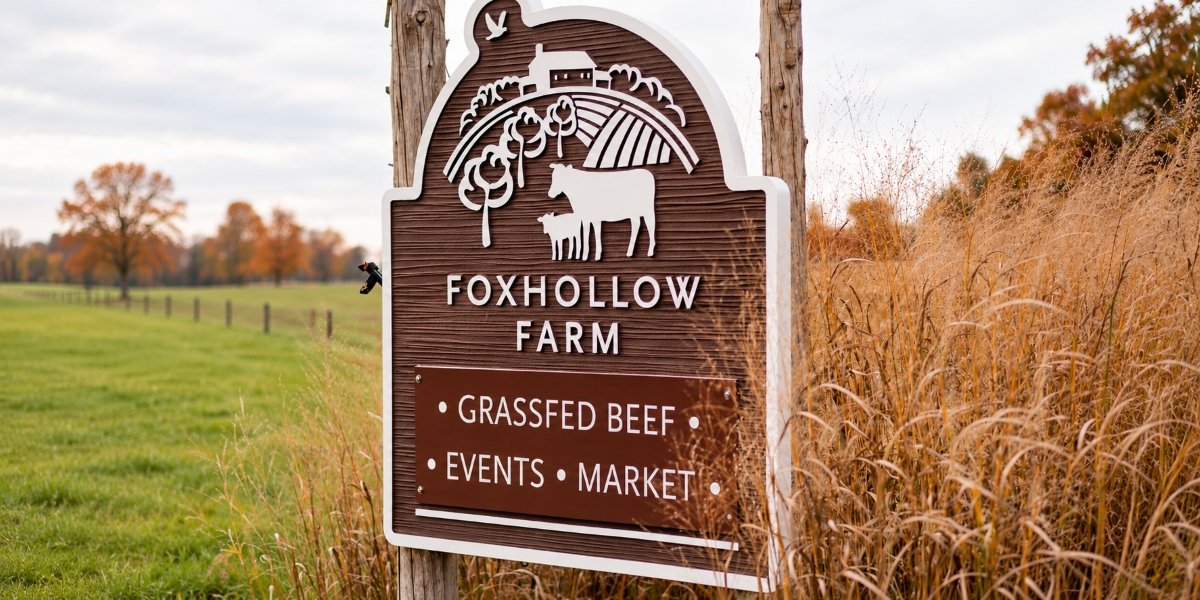
Anyone who wants to taste what nearly 20 years of soil-first farming produces can order from the Foxhollow Farm website, where the 100 percent grass-fed and grass-finished beef is sold in boxes and subscriptions and ships regionally along the East Coast. Foxhollow offers farm experiences and farm stays for visitors who want to see the land in person, and Foxhollow Market is open daily from dawn to dusk for self-serve shopping and order pickups.
Foxhollow has been building this model since 2006 and invites customers to be part of the regional food system it is creating. A box of beef is the easiest first step, and a farm visit comes after that.